Xene Gallery

Como Lavar Tapete Persa Passo a Passo: Guia de Preservação

Um manual prático e especializado para limpar carpetes orientais sem comprometer as fibras naturais e os corantes históricos.

Tonbak, a Persian percussion instrument.
Image: https://www.flickr.com/photos/dynamosquito · CC BY-SA 2.0

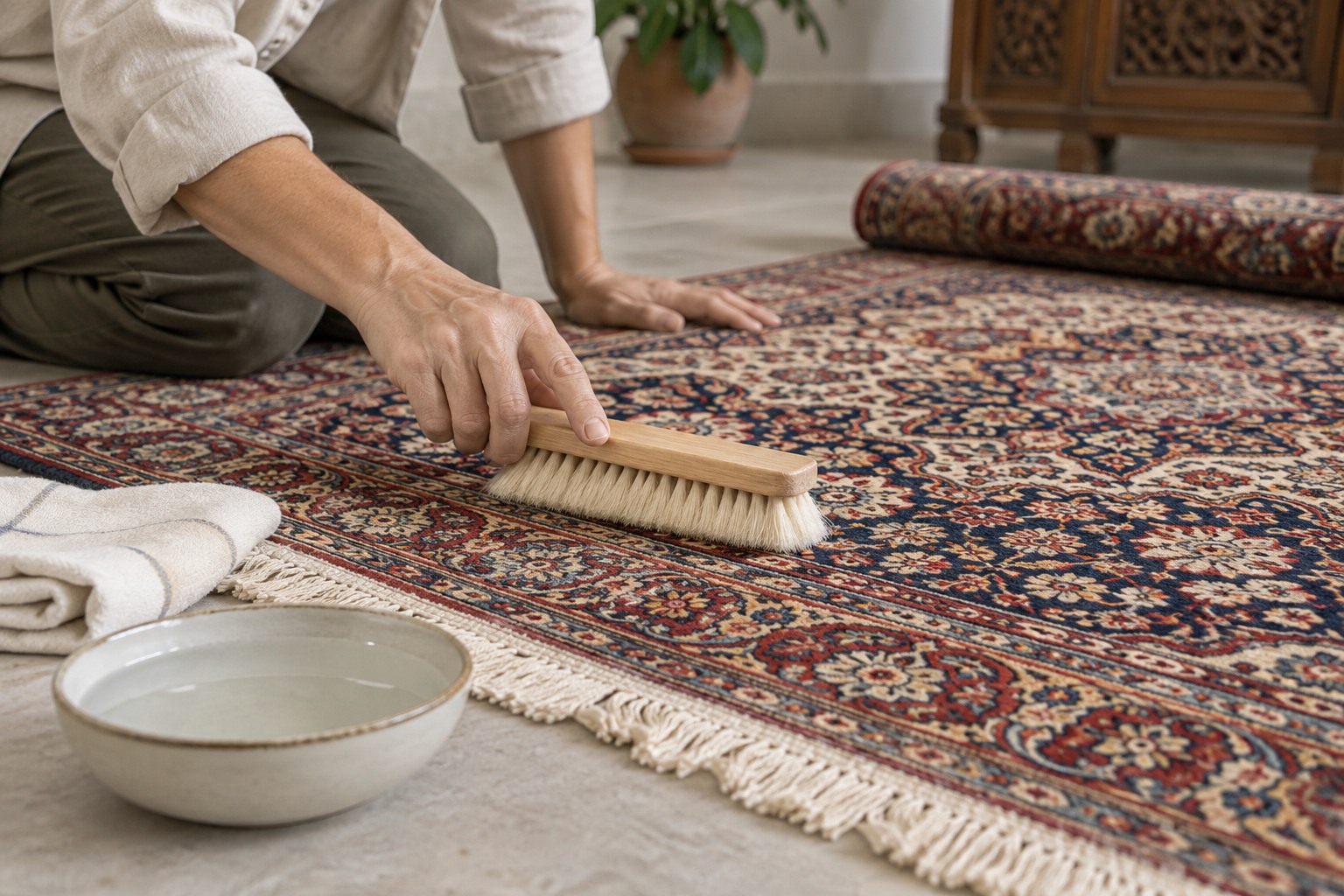
Para saber como lavar tapete persa passo a passo, é fundamental compreender que estas peças não são simples itens decorativos, mas patrimônios têxteis feitos de fibras naturais como lã ou seda e tingidos com corantes vegetais. A limpeza segura começa com a aspiração suave, seguida por um teste de firmeza de cor; se não houver migração de tinta, utiliza-se água fria e sabão neutro específico, enxaguando abundantemente e garantindo uma secagem plana à sombra para evitar deformações e desbotamento.

O que diferencia a lavagem de tapetes persas da limpeza comum?

A grande diferença reside na sensibilidade dos materiais. Enquanto uma rotina padronizada de lavanderia comercial pode ignorar a migração dos corantes e a fragilidade das fibras, a lavagem restaurativa é orientada pela história de cada peça [1]. Segundo especialistas da Imperium Persa, o diagnóstico prévio deve considerar a estrutura, o estado das franjas e os reparos antigos antes de qualquer contato com a água.

Como lavar tapete persa passo a passo em casa (Manutenção Leve)
  1. Remoção de sujidade sólida: Aspire o tapete em ambos os lados para remover a poeira profunda que atua como abrasivo nas fibras.
  2. Teste de estabilidade: Umedeça um pano branco com água e pressione uma área colorida. Se a cor transferir para o pano, pare imediatamente e procure um profissional.
  3. Preparação da solução: Use apenas água fria e um detergente de pH neutro ou shampoo específico para lã.
  4. Lavagem suave: Aplique a espuma com uma escova de cerdas muito macias, seguindo a direção do pelo.
  5. Enxágue total: Remova todo o resíduo de sabão. O excesso de umidade deve ser retirado com toalhas absorventes, sem torcer a peça.
  6. Secagem técnica: Mantenha o tapete em superfície plana, à sombra, em local ventilado. O sol direto endurece as fibras e altera as cores.

Como lidar com acidentes e manchas específicas?

Acidentes domésticos, como o derramamento de líquidos ou a urina de cachorro no tapete, exigem ação imediata. A urina, em particular, possui acidez que pode corroer as fibras de seda e lã se não for neutralizada [2]. A recomendação é absorver o máximo possível com papel toalha sem esfregar, pois o atrito danifica a textura original do nó.

Impacto da Limpeza no Valor do Patrimônio
Preservação da Fibra
+40%

Aumento na longevidade com lavagem neutra

Risco de Mancha
85%

Probabilidade de dano com lavagem caseira incorreta

Recuperação de Cor
100%

Eficácia da lavagem restaurativa profissional

Manchas de animais de estimação

Especialistas em preservação têxtil nos Jardins, em São Paulo, sugerem que a higienização profunda é a única forma de remover o odor residual que atrai o animal de volta ao mesmo local [2]. Lavanderias especializadas utilizam processos de neutralização química que não agridem a lanolina natural da lã.

Comparativo: Limpeza Doméstica vs. Lavagem Restaurativa Profissional
CaracterísticaLimpeza DomésticaLavagem Restaurativa [1]
EquipamentosAspirador e panoCentrífugas e secagem controlada
ProdutosSabão comum/CaseiroDetergentes de pH neutro
Risco de DanoAlto (Encolhimento/Mancha)Mínimo (Monitorado)
FocoEstética superficialConservação da estrutura e cores
Diferenças técnicas entre abordagens de manutenção e restauração profissional.

“Antes da água, vem o conhecimento da fibra. O procedimento deve ser escolhido sob medida para cada peça, respeitando sua história.”

— Imperium Persa, Especialistas em Tapetes Orientais

Qual a frequência ideal para a lavagem profissional?

Para tapetes localizados em áreas de tráfego intenso, como salas de estar, a limpeza profunda deve ser realizada a cada 12 ou 18 meses. Peças decorativas ou em áreas de baixo tráfego podem aguardar até 3 anos, desde que a manutenção semanal com aspirador seja mantida [3]. A Biomex destaca que o serviço de recolha e entrega facilita esse processo para o proprietário, garantindo que a peça seja tratada em ambiente controlado [4].
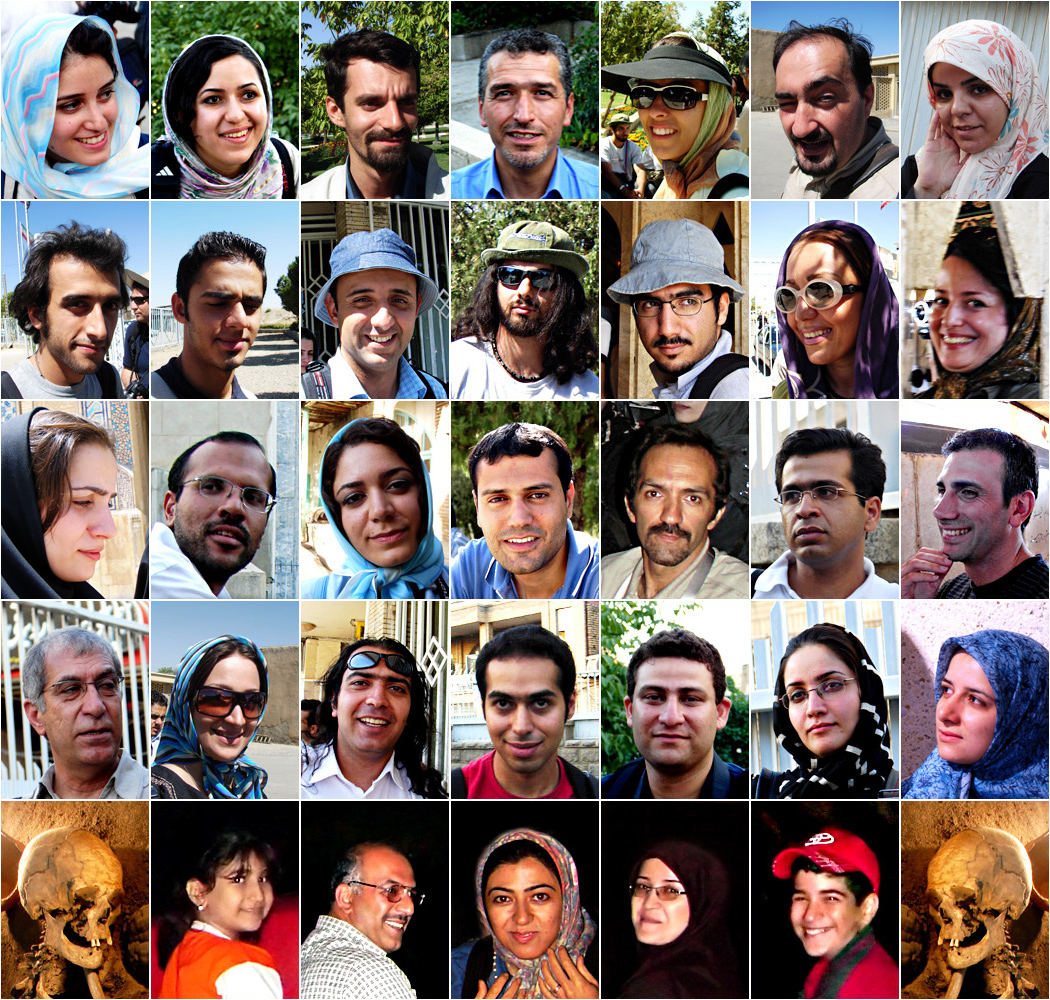
Soudeh asked me to generate portraits mosaic of attendants of 3rd Iranian Flickr Gathering in Hamadan. I know, I'm too late ;) We were 33 persons, from 7 to 58 years, from Tehran, Isfahan, Mashhad, Hamadan, Tabriz, Paris (France), and Vienna (Austria). My other photos of this gathering can be found here and all gathering photos can be found here. This photo was added to flickr explore (interestingness) of 27 August 2006. About Hamadan (from this sorce by HORIZON, originally from WikiPedia): more information: en.wikipedia.org/wiki/Hamedan Hamedan is the capital city of Hamadan Province of Iran. It had an estimated population of 550,284 in 2005. Hamadan is believed to be amongst the oldest Iranian cities and one of the OLDEST in the world. Hamadan is a green mountainous area on the foothills of the 3574-meter Alwand Mountain,in the mid west of Iran. The city is 1850 meters above sea level. The special nature of this old city and its historic sites attract tourists during the summer to this city, located approximately 400km southwest of Tehran. History Golden Rhyton from Iran's Achaemenid period from Ecbatana. National Museum of Iran.Hamadan has a distinguished place among all historical cities of Iran and geographically located at 34°51'N 48°31'E.Some historians believe that Hamadan's construction dates back to 3000 BC and according to an inscribtion from the first Assyrian king , it is aributed to 1100 BC. Hamadan was established by the Medes, and was the capital of the Median empire. It became then one of the multiple capital cities of the Achaemenid Dynasty and it has been referred to by several name variations throughout its long history, namely: Ecbatana (Median), Ecbatana (classical Greek rendition of Hagmatana) and several corruptions or mispronunciations of the previous two in subsequent centuries. During the Parthian era, Ctesiphon was the capital of the country, and Hamadan the summer capital and residence of the Parthian rulers. After the Parthians, the Sassanids constructed their summer palaces in Hamadan. In the year 633 the war of Nahavand took place and Hamadan came into the hands of the muslim Arabs, at times it thrived and at times it witnessed poverty. During the Buwayhids , it suffered much damage. In the 11th century, the Seljuks shifted their capital from Baghdad to Hamadan. The city of Hamadan which was always assaulted by the rise and fall of powers, was completely destroyed during the Timurid invasion. During the Safavid era the city thrived. Thereafter, in the year 18th century, Hamadan was surrendered to the Ottomans, but due to the courage and chivalry of Nadir Shah Afshar, Hamadan was cleared off the invaders and according to the peace treaty between Iran and the Ottomans , it was returned to Iran. The city of Hamadan lay on the Silk Road and even in the last centuries enjoyed good prospects in commerce and trade being on the main road network in the western region of the country. Climate Hamadan province lies in a temperate mountainous region to the east of Zagros. The vast plains of the north and northeast of the province are influenced by strong winds, that almost last throughout the year. The various air currents of this region are: the north and north west winds of the spring and winter seasons, which are usually humid and bring about rainfall. The west-east air currents that blow in the autumn, and the local winds that develop due to difference in air-pressure between the elevated areas and the plains, like the blind wind of the Asad Abad region. Hamadan being in the vicinity of the Alvand mountains has a cold, mountainous climate, with snowy winters. In fact it is one of the coldest cities in Iran. The temperature may drop below -30 °C on the coldest days. Heavy snowfalls are common during winter. Summer is short , and the weather is mild and pleasant and mostly sunny. Culture An example of a traditional Rug of Hamedan.Hamadan is also home to many poets and cultural celebrities. The city is also said to be among the world's oldest continuously inhabited cities. Handicrafts Hamadan has always been well-known for handicrafts like leather and ceramic work as well as for its beautiful carpets. Iran's Cultural Heritage Organization lists 207 sites of historical and cultural significance in the city of Hamedan alone. Legend has it that the biblical Esther is buried in Hamedan. The scientist and writer known in the west as Avicenna (Abu Ali Sina) is buried in Hamedan. The 11th century Persian poet Baba Taher is also interred in Hamedan. Contemporary Culture People of Hamedan are very proud of their old history. Another source of their pride is Avicenna (aka Bouali, Buali, Ebn-e-sina, Pur-e-Sina) who is buried in Hamedan. In Hamedan, you can find primary schools, secondary schools, high schools, colleges, and the main city's university names after him. Also, there are many shops and businesses named after him. The main street of Hamedan is also named Bouali. Bouali Street is a very busy one and in fact, a favorite pastime of Hamedanians is to troll up and down the street where they frequently bump into their acquaintances. Attractions Avicenna (Abu Ali Sina) Ibn Sina mausoleum Baba Tahir Mausleum Ali Sadr Cave Gonbad-e Alavian Ganj Nameh Hamedan Stone Lion Estakhr e Abbas Abad (an over-the-hill lake with a magnificent view to the city Nazari House Hamedan Museum of Natural History Excavated Ancient Ecbatana City Sister cities: Kulyab, Tajikestan
Mosaic of Hamadan Gathering · Hamed Saber · CC BY 2.0
Fatores de Degradação de Tapetes Persas
Principais causas de desgaste e perda de valor em tapetes orientais (em percentual de impacto).

Por que evitar a lavagem a seco química?

Muitas pessoas buscam como lavar tapete persa passo a passo e acabam recorrendo a métodos químicos de 'lavagem a seco'. No entanto, solventes agressivos podem retirar a oleosidade natural das fibras de lã, tornando-as quebradiças. O método tradicional de imersão controlada ou extração a baixa pressão continua sendo o mais seguro para tapetes de design exclusivo [2].

Critérios de um Diagnóstico Profissional [1]
  • Verificação da estabilidade dos corantes (teste de migração).
  • Análise do estado de conservação das franjas e cordões laterais.
  • Identificação de manchas de origem proteica ou ácida.
  • Avaliação de desgastes mecânicos que necessitem de restauro.
  • Escolha do método de secagem baseado na densidade dos nós.

Como escolher uma lavanderia especializada no Brasil e Portugal?

Ao procurar por serviços em cidades como Curitiba ou São Paulo, verifique se a empresa possui ateliê próprio e conhecimento em conservação têxtil. Em Portugal, empresas como a Biomex oferecem serviços que incluem a secagem em estufa com temperatura controlada, o que é vital para evitar o mau cheiro causado pela secagem lenta em ambientes úmidos [4].
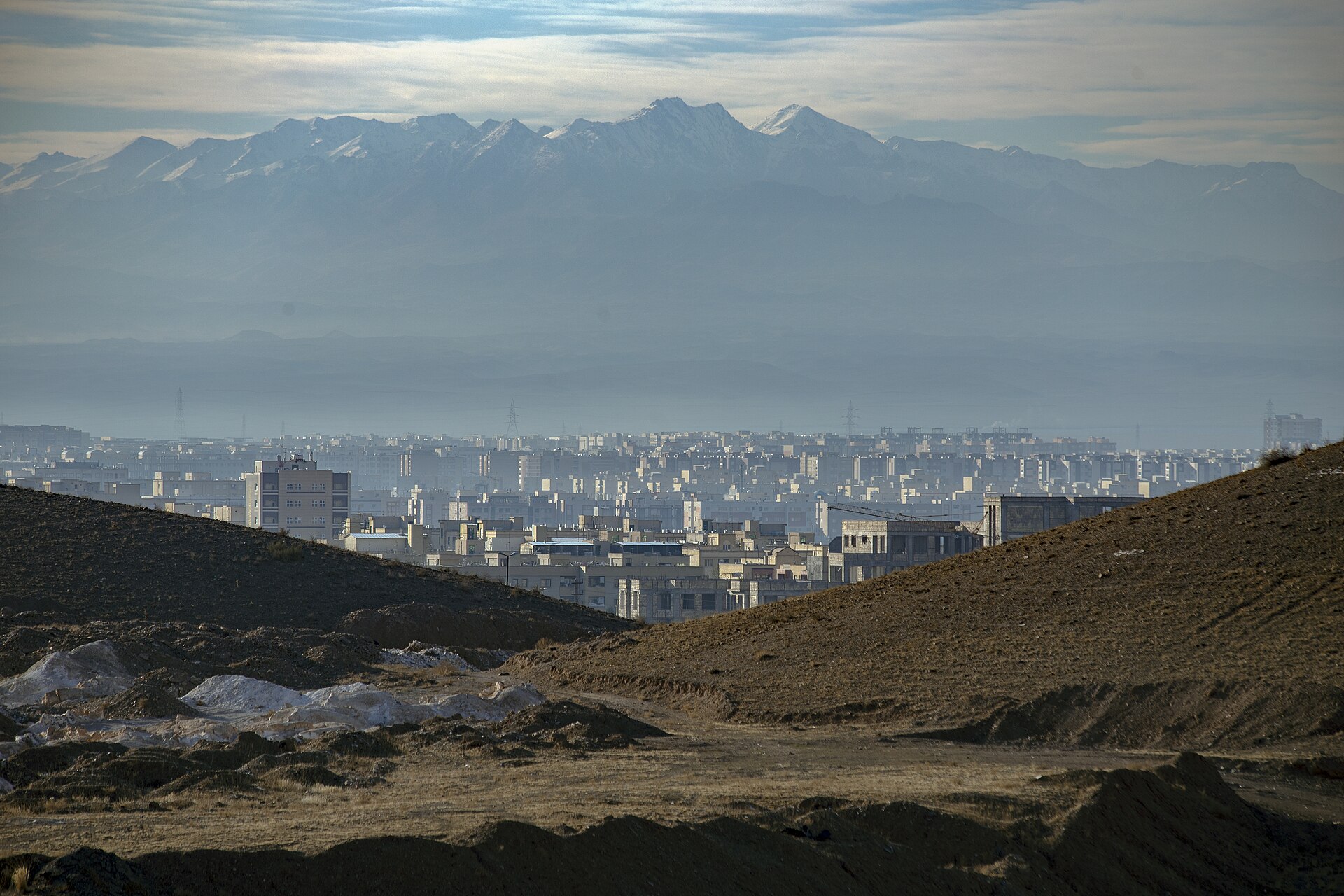
Qom is located beside the desert at 140 km south of Tehran with the height of 930 m above the sea level in an arid region. It enjoys a desert and semi-desert climate. Summer is warm and arid and winter is nearly cold in this city. Qom consists of 5 parts as "Jafarabda", "Khalajestan", "Salafchegan", "Kahak", "Markazi", one city and 9 rural districts. This city is the 8th populous city after Tehran, Mashhad, Isfahan, Tabriz, Karaj, Shiraz, Ahvaz and second religious city after Mashhad and also one of the main centers of Silk Carpet, Sweets and Sohan production in Iran and all around the world located among Iran transportation roads which connect the industrial cities to Tehran, on one hand, and link the southern provinces and cities of Iran to the northern ones, on the other hand. Qom, one of the most significant desert towns, is of the main poles of developing pilgrimage tourism in Iran.
عکس قم ایران از دریچه دوربین کلانشهرهای ایرانی مصطفی معراجی تصاویر ایران زمین با کیفیت مجوز کریتیو کامانز 03 · Mostafameraji · CC BY-SA 4.0

“Um tapete persa não deve apenas parecer limpo; ele deve ter sua integridade estrutural preservada para as próximas gerações.”

— Especialista em Higienização Profissional

Perguntas Frequentes sobre Lavagem de Tapetes Persas

Posso lavar meu tapete persa com lavadora de alta pressão?
Não. A pressão da água pode romper as fibras de seda e lã, além de forçar a sujeira para dentro da trama, causando danos permanentes à estrutura dos nós artesanais.
O que fazer se o tapete persa molhar com chuva?
Seque-o imediatamente com toalhas e use um ventilador. Se a peça for grande, chame um serviço profissional para evitar o apodrecimento da base de algodão ou lã.
Vinagre e bicarbonato são seguros para tapetes persas?
Devem ser evitados sem orientação. O vinagre é ácido e o bicarbonato é alcalino; ambos podem alterar o pH das fibras e causar o desbotamento dos corantes naturais.
Como remover o cheiro de mofo de tapetes antigos?
O cheiro de mofo indica a presença de fungos. Apenas uma lavagem profunda profissional com sanitização adequada e secagem rápida em estufa pode eliminar o problema com segurança.
Posso usar aspirador de pó nas franjas?
Evite. O aspirador pode sugar e desfiar as franjas, que são a extensão da própria urdidura do tapete. Use uma escova manual macia para alinhá-las.

Sources

  1. [1]Lavagem Restaurativa de Tapetes Persas e Orientais· Imperium Persa
  2. [2]Orientações de Cuidado & Conservação Têxtil· Evolution Lavanderia
  3. [3]Especialistas explicam cuidados com tapetes· Correio Braziliense
  4. [4]Limpeza de tapetes com recolha e entrega· Biomex Portugal