Xene Gallery

Perzisch tapijt echtheidscertificaat herkennen: Uw koopgids

Ontdek hoe u een authentiek handgeknoopt kunstwerk onderscheidt van machinale kopieën en waar een officieel certificaat aan moet voldoen.

Tonbak, a Persian percussion instrument.
Image: https://www.flickr.com/photos/dynamosquito · CC BY-SA 2.0

Een Perzisch tapijt echtheidscertificaat herkennen begint bij het begrijpen dat dit document meer is dan een simpel briefje; het is het paspoort van een kunstwerk dat vaak 2.500 jaar aan geschiedenis met zich meedraagt [2]. Een legitiem certificaat moet details bevatten over de herkomstregio, de knoopdichtheid, het materiaalgebruik (zoals hoogwaardige wol of zijde) en de techniek van de handmatige knoop. Zonder deze specificaties is een certificaat weinig waard in de wereld van antiek en erfgoed.

Wat staat er in een officieel echtheidscertificaat?

Wanneer u investeert in een handgeknoopt stuk, zoals de verfijnde Shiraz of Teheran stijlen, is de documentatie cruciaal voor de waardeopbouw [1]. Een professioneel certificaat van echtheid dient als garantie dat het stuk daadwerkelijk uit het huidige Iran (het oude Perzië) komt en niet een machinale reproductie is uit een ander land.

Essentiële elementen op het certificaat
  • Naam van de regio: Bijvoorbeeld Tabriz, Isfahan, of Shiraz.
  • Materiaal van de pool: Meestal 100% wol of natuurlijke zijde.
  • Materiaal van de schering: Vaak katoen of wol.
  • Knoopdichtheid: Het aantal knopen per vierkante meter (KPSM).
  • Leeftijd: Aanduiding of het gaat om antiek, semi-antiek of nieuw.
  • Afmetingen: Exacte maten, inclusief de franjes.

Hoe herken je een handgeknoopt Perzisch tapijt?

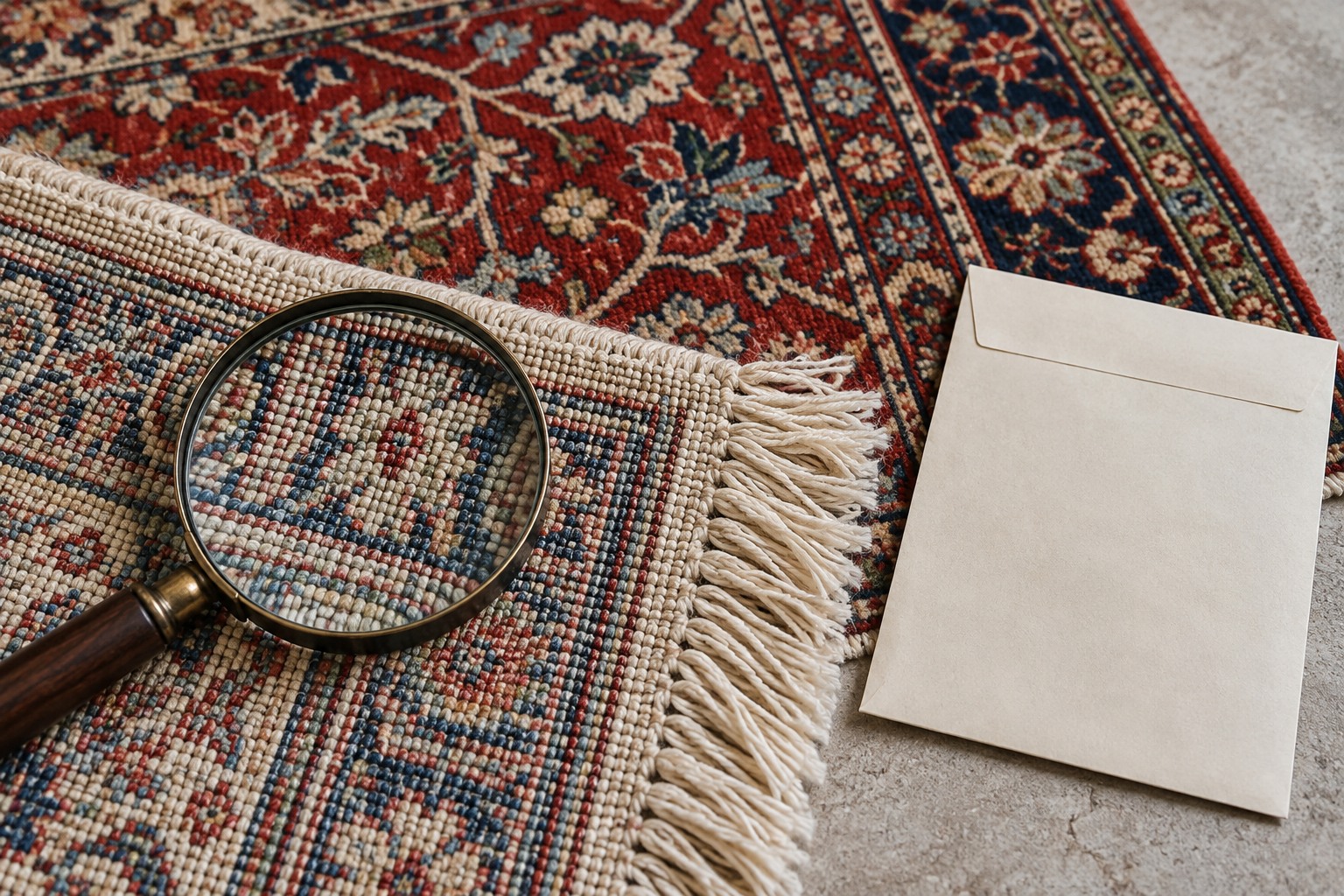
De eerste stap bij het controleren van de echtheid is het fysiek inspecteren van de achterkant van het kleed. Bij een authentiek handgeknoopt Perzisch tapijt zijn de knopen aan de onderkant duidelijk zichtbaar en enigszins ongelijkmatig [2]. Dit is een teken van menselijk handwerk. Bij machinale kleden is de achterkant vaak bedekt met een latex laag of zijn de steken te perfect en symmetrisch.

Vergelijking: Handgeknoopt vs. Machinaal
KenmerkHandgeknoopt (Authentiek)Machinaal (Imitatie)
FranjesOnderdeel van de schering (doorlopend)Vastgenaaid aan de rand
AchterkantDuidelijke, individuele knopen zichtbaarUniform en vaak bedekt
PatroonKleine asymmetrieën (menselijk)Perfecte spiegeling
MateriaalWol, Zijde, KatoenPolypropyleen, Nylon, Synthetica
Belangrijke visuele verschillen bij het beoordelen van de echtheid.

De betekenis van Shiraz en Teheran stijlen

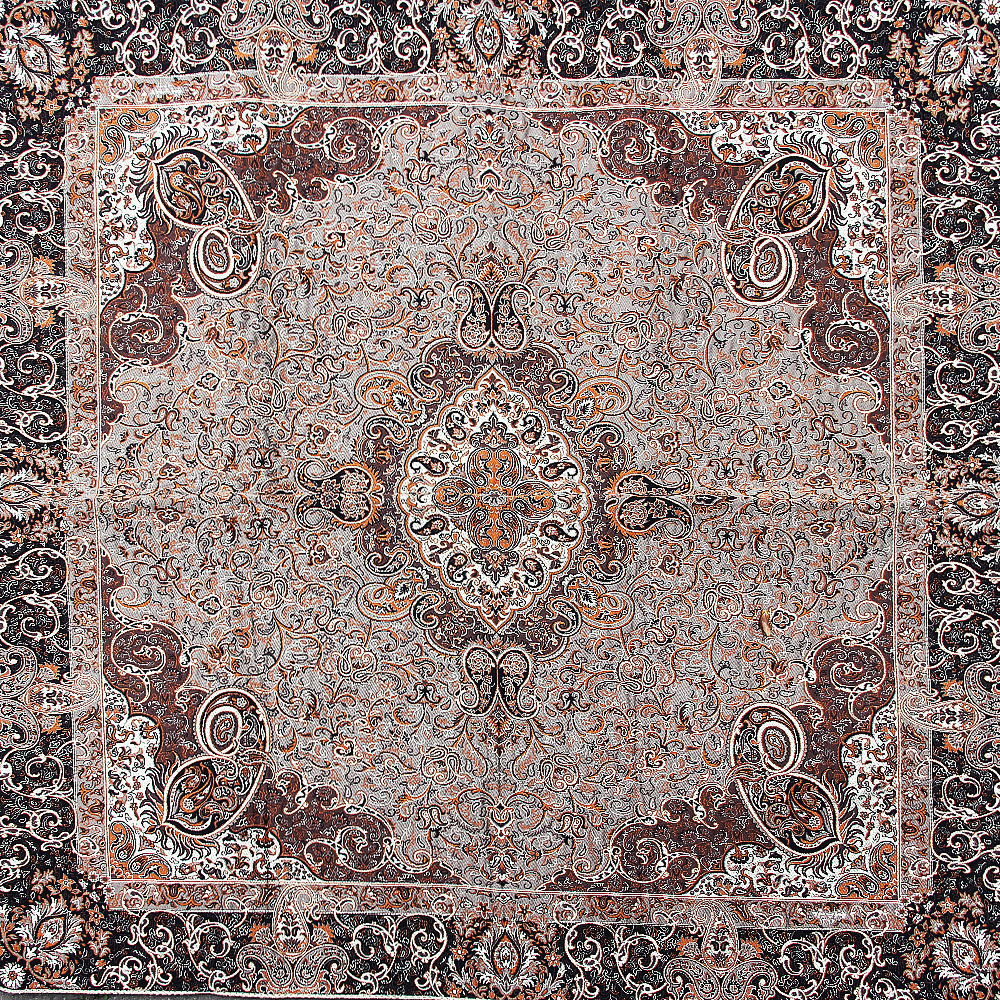
Regionale stijlen zoals Shiraz staan bekend om hun geometrische patronen, vaak met ruitvormige medaillons, terwijl Teheran kleden bekend staan om hun verfijnde florale motieven en hoge kwaliteit [1]. Deze namen op een certificaat geven direct de historische context en de specifieke weeftechniek aan die door generaties is doorgegeven.

De Markt voor Perzische Tapijten
Historische leeftijd
2500+ jaar

Oorsprong in nomadische stammen

Gemiddelde breedte (tafeltapijten)
< 50 cm

Zoals gezien bij Miro Holland sets [1]

Traditionele kleuren
3-5 hoofdkleuren

Vaak rood, zwart en wit/crème


Waarom is de knoopdichtheid belangrijk voor de waarde?

De knoopdichtheid bepaalt de mate van detail en de duurzaamheid van het tapijt. Hoe hoger het aantal knopen per vierkante meter, hoe fijner het patroon kan zijn. In een authentiek Teheran tapijt ligt deze dichtheid vaak veel hoger dan in nomadische Shiraz kleden, wat invloed heeft op de uiteindelijke marktwaarde en de complexiteit van het ontwerp [2].
Soudeh asked me to generate portraits mosaic of attendants of 3rd Iranian Flickr Gathering in Hamadan. I know, I'm too late ;) We were 33 persons, from 7 to 58 years, from Tehran, Isfahan, Mashhad, Hamadan, Tabriz, Paris (France), and Vienna (Austria). My other photos of this gathering can be found here and all gathering photos can be found here. This photo was added to flickr explore (interestingness) of 27 August 2006. About Hamadan (from this sorce by HORIZON, originally from WikiPedia): more information: en.wikipedia.org/wiki/Hamedan Hamedan is the capital city of Hamadan Province of Iran. It had an estimated population of 550,284 in 2005. Hamadan is believed to be amongst the oldest Iranian cities and one of the OLDEST in the world. Hamadan is a green mountainous area on the foothills of the 3574-meter Alwand Mountain,in the mid west of Iran. The city is 1850 meters above sea level. The special nature of this old city and its historic sites attract tourists during the summer to this city, located approximately 400km southwest of Tehran. History Golden Rhyton from Iran's Achaemenid period from Ecbatana. National Museum of Iran.Hamadan has a distinguished place among all historical cities of Iran and geographically located at 34°51'N 48°31'E.Some historians believe that Hamadan's construction dates back to 3000 BC and according to an inscribtion from the first Assyrian king , it is aributed to 1100 BC. Hamadan was established by the Medes, and was the capital of the Median empire. It became then one of the multiple capital cities of the Achaemenid Dynasty and it has been referred to by several name variations throughout its long history, namely: Ecbatana (Median), Ecbatana (classical Greek rendition of Hagmatana) and several corruptions or mispronunciations of the previous two in subsequent centuries. During the Parthian era, Ctesiphon was the capital of the country, and Hamadan the summer capital and residence of the Parthian rulers. After the Parthians, the Sassanids constructed their summer palaces in Hamadan. In the year 633 the war of Nahavand took place and Hamadan came into the hands of the muslim Arabs, at times it thrived and at times it witnessed poverty. During the Buwayhids , it suffered much damage. In the 11th century, the Seljuks shifted their capital from Baghdad to Hamadan. The city of Hamadan which was always assaulted by the rise and fall of powers, was completely destroyed during the Timurid invasion. During the Safavid era the city thrived. Thereafter, in the year 18th century, Hamadan was surrendered to the Ottomans, but due to the courage and chivalry of Nadir Shah Afshar, Hamadan was cleared off the invaders and according to the peace treaty between Iran and the Ottomans , it was returned to Iran. The city of Hamadan lay on the Silk Road and even in the last centuries enjoyed good prospects in commerce and trade being on the main road network in the western region of the country. Climate Hamadan province lies in a temperate mountainous region to the east of Zagros. The vast plains of the north and northeast of the province are influenced by strong winds, that almost last throughout the year. The various air currents of this region are: the north and north west winds of the spring and winter seasons, which are usually humid and bring about rainfall. The west-east air currents that blow in the autumn, and the local winds that develop due to difference in air-pressure between the elevated areas and the plains, like the blind wind of the Asad Abad region. Hamadan being in the vicinity of the Alvand mountains has a cold, mountainous climate, with snowy winters. In fact it is one of the coldest cities in Iran. The temperature may drop below -30 °C on the coldest days. Heavy snowfalls are common during winter. Summer is short , and the weather is mild and pleasant and mostly sunny. Culture An example of a traditional Rug of Hamedan.Hamadan is also home to many poets and cultural celebrities. The city is also said to be among the world's oldest continuously inhabited cities. Handicrafts Hamadan has always been well-known for handicrafts like leather and ceramic work as well as for its beautiful carpets. Iran's Cultural Heritage Organization lists 207 sites of historical and cultural significance in the city of Hamedan alone. Legend has it that the biblical Esther is buried in Hamedan. The scientist and writer known in the west as Avicenna (Abu Ali Sina) is buried in Hamedan. The 11th century Persian poet Baba Taher is also interred in Hamedan. Contemporary Culture People of Hamedan are very proud of their old history. Another source of their pride is Avicenna (aka Bouali, Buali, Ebn-e-sina, Pur-e-Sina) who is buried in Hamedan. In Hamedan, you can find primary schools, secondary schools, high schools, colleges, and the main city's university names after him. Also, there are many shops and businesses named after him. The main street of Hamedan is also named Bouali. Bouali Street is a very busy one and in fact, a favorite pastime of Hamedanians is to troll up and down the street where they frequently bump into their acquaintances. Attractions Avicenna (Abu Ali Sina) Ibn Sina mausoleum Baba Tahir Mausleum Ali Sadr Cave Gonbad-e Alavian Ganj Nameh Hamedan Stone Lion Estakhr e Abbas Abad (an over-the-hill lake with a magnificent view to the city Nazari House Hamedan Museum of Natural History Excavated Ancient Ecbatana City Sister cities: Kulyab, Tajikestan
Mosaic of Hamadan Gathering · Hamed Saber · CC BY 2.0
Relatieve Knoopdichtheid per Regio (Indicatief)
Het aantal knopen per m² varieert sterk per regio en weefstijl.

“Een Perzisch tapijt is geen simpel gebruiksvoorwerp, maar een geweven geschiedenisboek waarin elke knoop een verhaal vertelt over de wever en hun cultuur.”

— Expert bij Kian Rug Company

Welke rol speelt de schering bij echtheid?

De schering (de verticale draden op het weefgetouw) vormt de ruggengraat van het tapijt. Bij een authentiek handgeknoopt stuk lopen deze draden door tot buiten het weefsel om de franjes te vormen. Als u ziet dat de franjes apart zijn vastgenaaid aan de rand van het kleed, is dit een direct bewijs dat het tapijt machinaal is vervaardigd en dus niet over een authentiek Perzisch echtheidscertificaat kan beschikken [2].

Hoe controleert u de reputatie van de verkoper?

Bij het kopen van Perzische tapijten op platforms zoals Marktplaats of via gespecialiseerde handelaren zoals Miro Holland, is de reputatie van de verkoper een belangrijke indicator [1]. Zoek naar verkopers met een lange historie en positieve reviews. Een transparante verkoper zal altijd bereid zijn om foto's van de achterkant van het tapijt te delen en details te geven over de staat van het stuk, zoals of het 'gebruikt maar in goede staat' is.
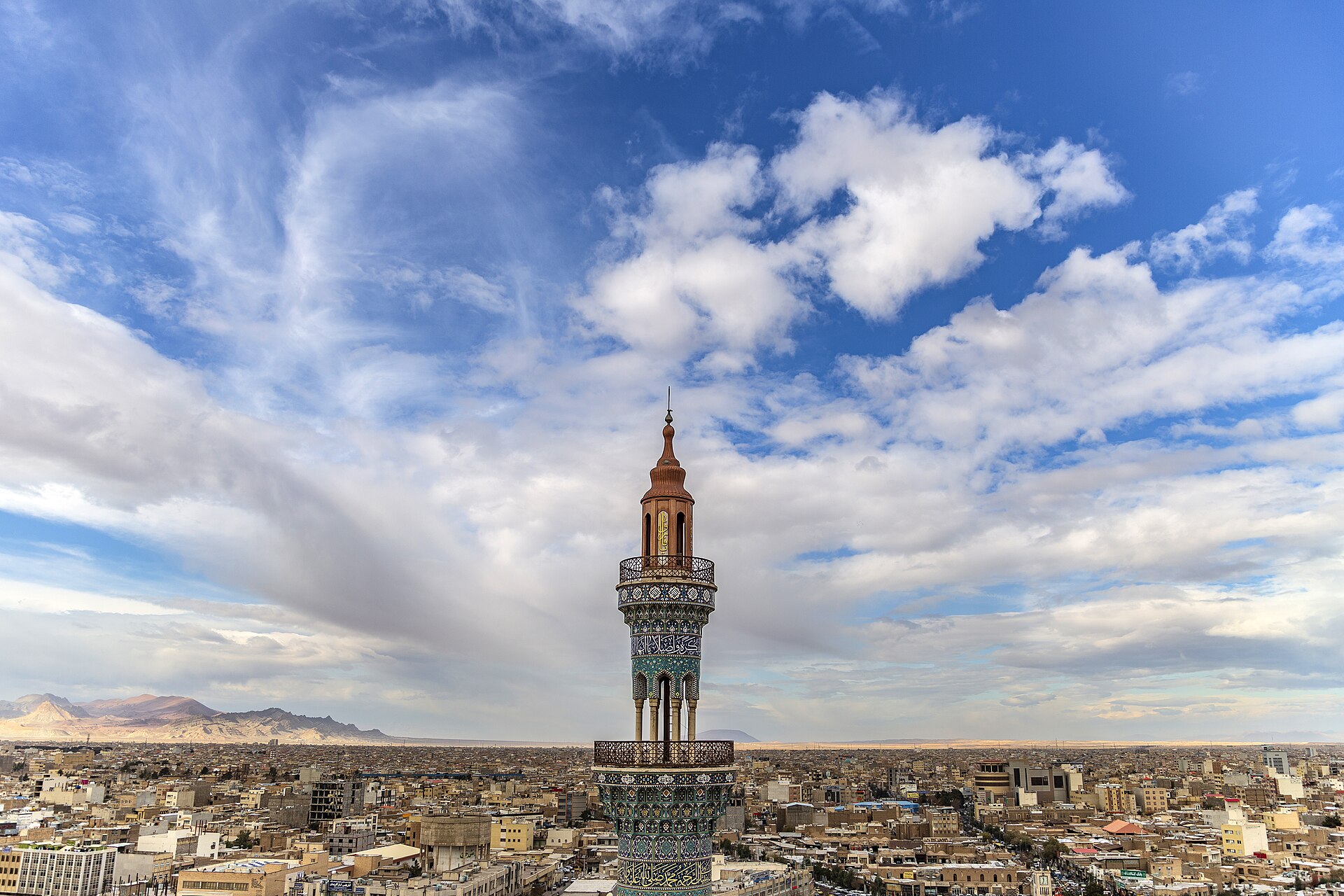
Qom is located beside the desert at 140 km south of Tehran with the height of 930 m above the sea level in an arid region. It enjoys a desert and semi-desert climate. Summer is warm and arid and winter is nearly cold in this city. Qom consists of 5 parts as "Jafarabda", "Khalajestan", "Salafchegan", "Kahak", "Markazi", one city and 9 rural districts. This city is the 8th populous city after Tehran, Mashhad, Isfahan, Tabriz, Karaj, Shiraz, Ahvaz and second religious city after Mashhad and also one of the main centers of Silk Carpet, Sweets and Sohan production in Iran and all around the world located among Iran transportation roads which connect the industrial cities to Tehran, on one hand, and link the southern provinces and cities of Iran to the northern ones, on the other hand. Qom, one of the most significant desert towns, is of the main poles of developing pilgrimage tourism in Iran.
عکس قم ایران از دریچه دوربین کلانشهرهای ایرانی مصطفی معراجی تصاویر ایران زمین با کیفیت مجوز کریتیو کامانز 01 · Mostafameraji · CC BY-SA 4.0
Stappenplan voor de koper
  1. Vraag altijd naar een fysiek of digitaal echtheidscertificaat.
  2. Bekijk de achterkant van het tapijt voor onregelmatige knopen.
  3. Controleer of de franjes een integraal onderdeel zijn van het kleed.
  4. Onderzoek het patroon op kleine, natuurlijke variaties (abrash).
  5. Verifieer de reputatie en de verificatiestatus van de verkoper [1].

Wat zijn de meest voorkomende Perzische tapijtstijlen in Nederland?

In de Nederlandse interieurs zien we vaak een voorkeur voor specifieke stijlen die passen bij zowel moderne als klassieke inrichtingen. Shiraz tapijten zijn populair vanwege hun robuuste, tribale uitstraling en warme rode tinten [1]. Teheran en Isfahan kleden worden gezocht voor hun elegante, fijnmazige ontwerpen die vaak dienst doen als pronkstuk in een kamer [4].
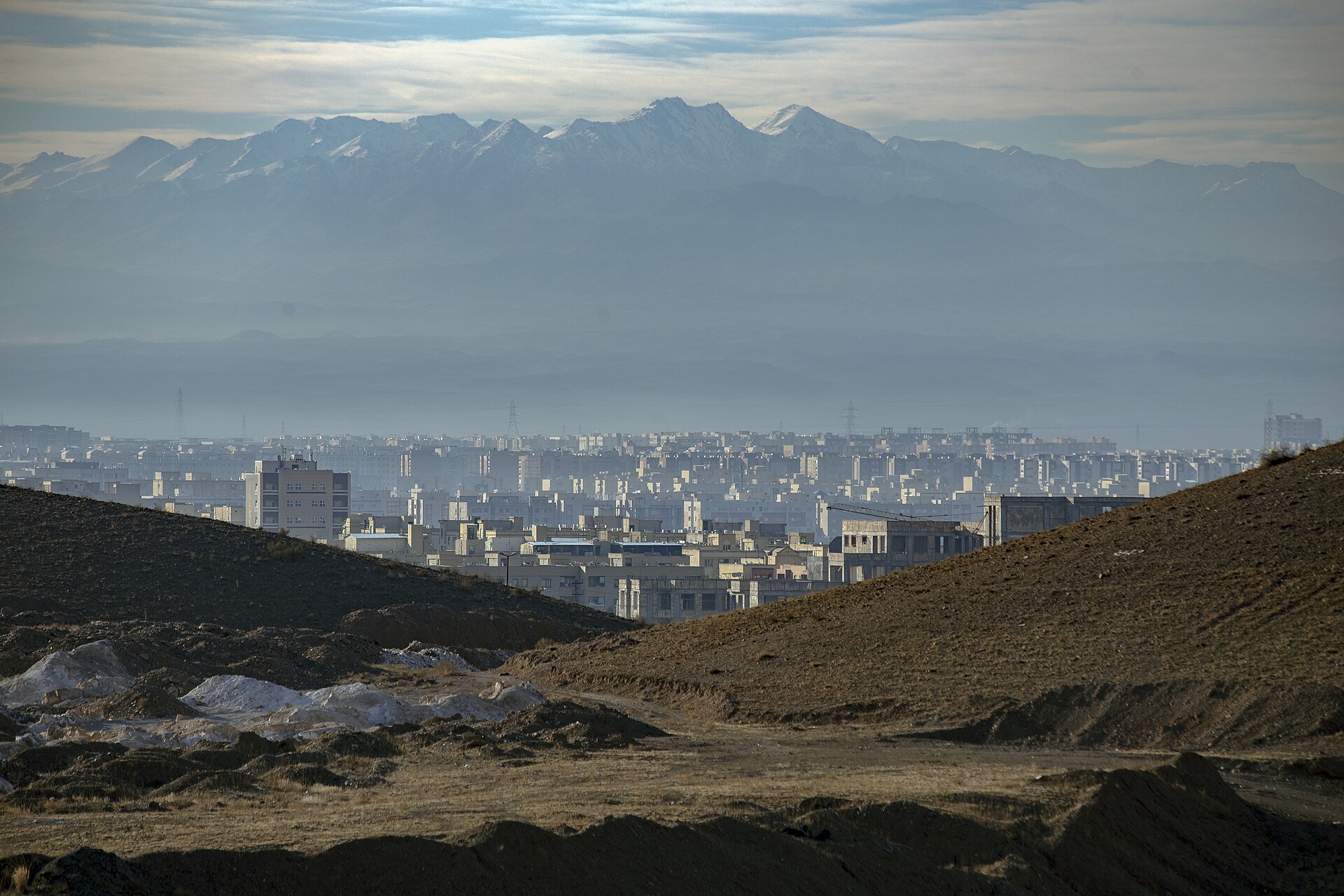
Qom is located beside the desert at 140 km south of Tehran with the height of 930 m above the sea level in an arid region. It enjoys a desert and semi-desert climate. Summer is warm and arid and winter is nearly cold in this city. Qom consists of 5 parts as "Jafarabda", "Khalajestan", "Salafchegan", "Kahak", "Markazi", one city and 9 rural districts. This city is the 8th populous city after Tehran, Mashhad, Isfahan, Tabriz, Karaj, Shiraz, Ahvaz and second religious city after Mashhad and also one of the main centers of Silk Carpet, Sweets and Sohan production in Iran and all around the world located among Iran transportation roads which connect the industrial cities to Tehran, on one hand, and link the southern provinces and cities of Iran to the northern ones, on the other hand. Qom, one of the most significant desert towns, is of the main poles of developing pilgrimage tourism in Iran.
عکس قم ایران از دریچه دوربین کلانشهرهای ایرانی مصطفی معراجی تصاویر ایران زمین با کیفیت مجوز کریتیو کامانز 03 · Mostafameraji · CC BY-SA 4.0

Veelgestelde vragen over Perzische echtheidscertificaten

Is een handgeknoopt tapijt altijd meer waard dan een machinaal tapijt?
Ja, in bijna alle gevallen behouden handgeknoopte Perzische tapijten hun waarde veel beter. Ze zijn duurzamer, gemaakt van natuurlijke materialen en elk stuk is een uniek kunstwerk. Machinale tapijten verliezen hun waarde zodra ze de winkel verlaten.
Kan ik een certificaat ook achteraf laten maken?
Ja, erkende experts en taxateurs kunnen na een grondige inspectie van de knooptechniek, materialen en patronen een certificaat van echtheid of een taxatierapport opstellen voor verzekerings- of verkoopdoeleinden.
Wat betekent de term 'Miro Holland' bij Perzische kleden?
Miro Holland is een bekende Nederlandse importeur en handelaar die gespecialiseerd is in authentieke, handgeknoopte tapijten uit regio's zoals Shiraz en Teheran. Hun naam op een label is vaak een teken van een bepaalde kwaliteitsstandaard in de Nederlandse markt [1].
Hoe herken ik natuurlijke kleurstoffen op een certificaat?
Een goed certificaat vermeldt of er gebruik is gemaakt van plantaardige kleurstoffen (zoals meekrapwortel of indigo). Natuurlijke kleuren hebben vaak een 'abrash' effect, wat subtiele kleurvariaties binnen hetzelfde vlak betekent, wat zeer gewaardeerd wordt door verzamelaars.
Waarom zijn Shiraz tapijten vaak minder fijn geknoopt dan Teheran tapijten?
Shiraz tapijten worden traditioneel gemaakt door nomadische wevers op horizontale getouwen, wat resulteert in een grovere knoop en een dikkere wol. Teheran tapijten worden in stedelijke ateliers op verticale getouwen gemaakt, wat een veel hogere knoopdichtheid mogelijk maakt [2].

Sources

  1. [1]2 Perzische tafeltapijten Shiraz Teheran Miro Holland· Marktplaats
  2. [2]The History of Persian Rugs: Origins, Weaving Traditions, and Evolution· Kian Rug Company
  3. [3]How Persian Rugs Are Made: The Complete Guide to Materials, Weaving Process & Craftsmanship· Afra Rugs
  4. [4]10 Famous Persian Rug Types for American Homes· ABC Rugs Kilims