ペルシャ絨毯とギャッベの違いは?どっちがいい?インテリアに合わせた選び方ガイド

洗練された都会の芸術と素朴な遊牧民の感性。あなたの暮らしを彩る究極の1枚を見つけるための徹底比較。

Tonbak, a Persian percussion instrument.
Image: https://www.flickr.com/photos/dynamosquito · CC BY-SA 2.0

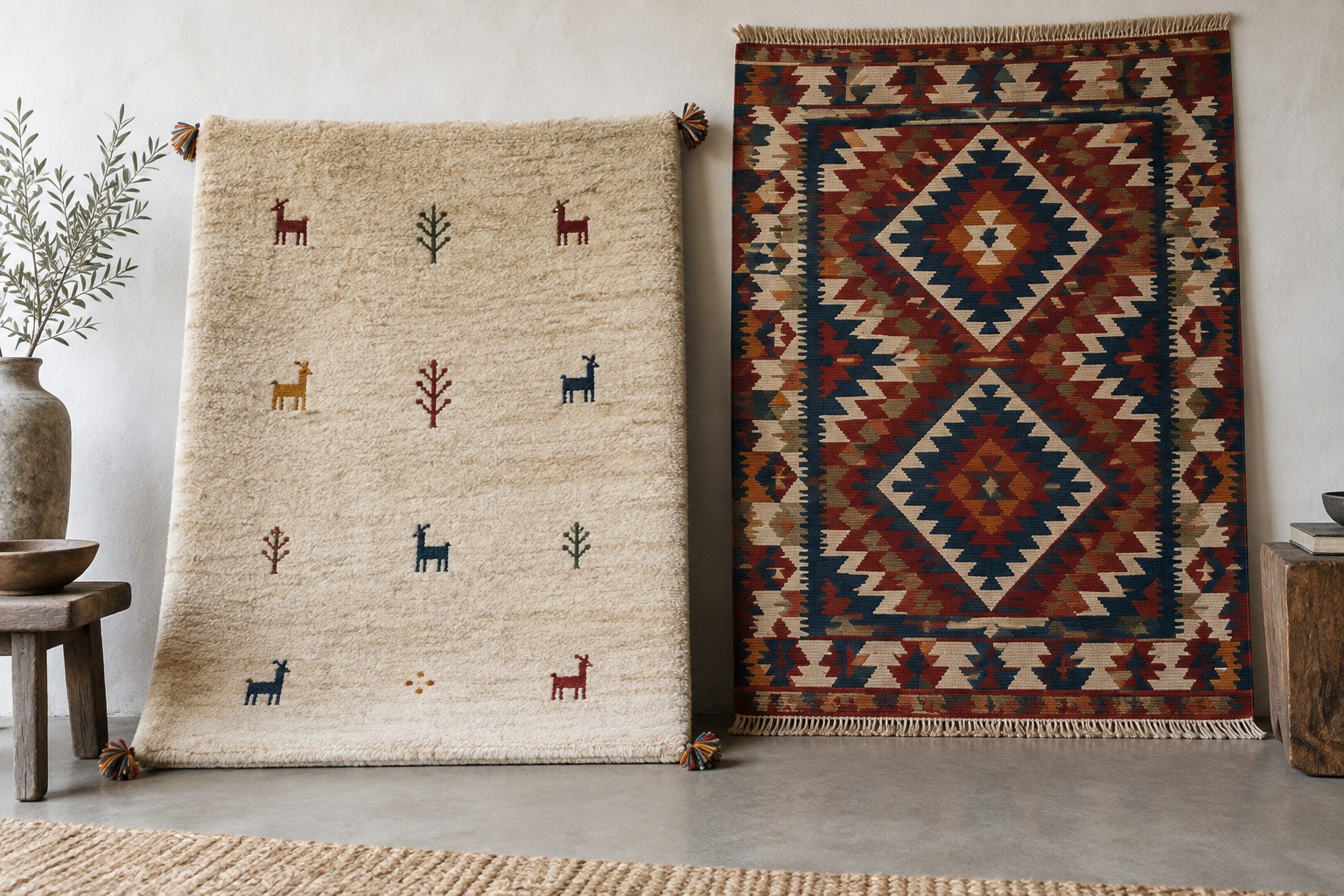
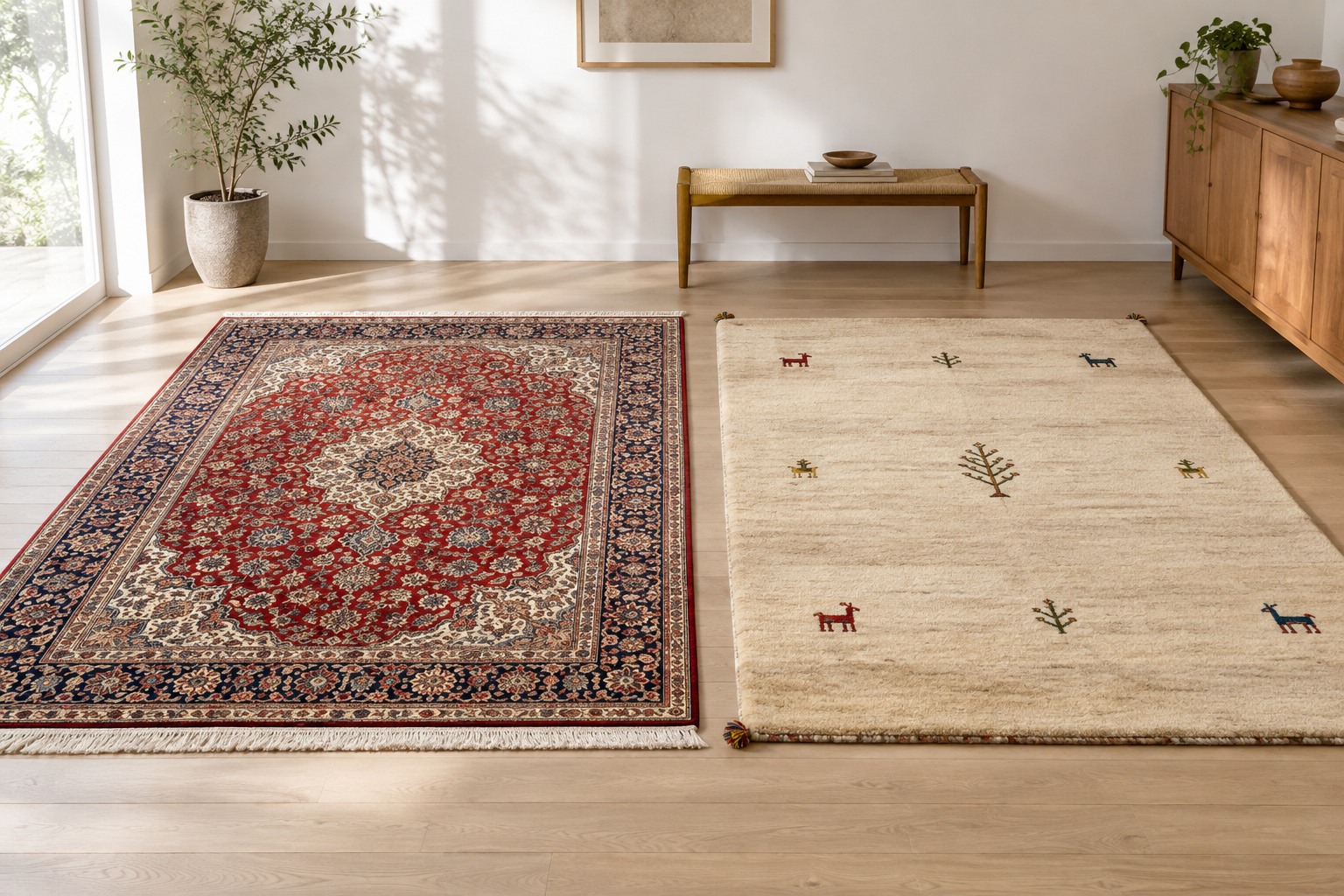
ペルシャ絨毯とギャッベの最大の違いは、その織りの密度と用途の歴史にあります。ペルシャ絨毯は古くから王宮や富裕層のために都市の工房で緻密に設計・製作されてきた「芸術品」としての側面が強く、極細のシルクやウールを使用します [1]。一方、ギャッベはペルシャ語で「ざっくりとした」という意味を持ち、イランの遊牧民が自家用に織り始めた、毛足が長く丈夫な「生活の道具」としての絨毯です [5]。どちらが良いかは、置く場所の雰囲気や、素足で歩く際の心地よさといった個人の好みによって決まります。

ペルシャ絨毯とギャッベの違いは何ですか?

まず理解すべき点は、ギャッベも広義にはイラン(ペルシア)で作られる手織り絨毯の一種であるということです。しかし、日本の市場では一般的に、宮廷文化の流れを汲む精緻なクラシック・ペルシャ絨毯と、南西部のカシュガイ族などが織るギャッベを明確に区別しています。

主な3つの相違点
  • デザインの源泉: ペルシャ絨毯は緻密な下絵に基づいて織られますが、ギャッベは織り手の即興的な感性で動物や木々が描かれます。
  • 毛足(パイル)の長さ: ペルシャ絨毯は薄く滑らかで光沢がありますが、ギャッベは2〜3cmほどの厚みがあり、ふんわりとした踏み心地です [5]。
  • 素材感: ペルシャ絨毯はシルク混も多いのに対し、ギャッベは天然の羊毛(ウール)を100%使用し、草木染めが主流です。
ペルシャ絨毯 vs ギャッベ 比較表
比較項目ペルシャ絨毯(都市工房)ギャッベ(遊牧民)
主な素材シルク、コルクウール天然羊毛(ウール)
織りの密度極めて高い(緻密)粗い(ざっくり)
デザインメダリオン、曲線的風景、動物、幾何学
踏み心地しなやか、高級感ふかふか、クッション性
適したインテリアクラシック、アンティーク北欧、モダン、ナチュラル
ソース [1][5] に基づく特徴の比較

ペルシャ絨毯とギャッベ、どっちがいい?選び方の基準

「どっちがいいか」という問いへの答えは、あなたのライフスタイルに隠されています。例えば、ソファの前に敷いて家族でゴロゴロとくつろぎたいなら、厚みのあるギャッベが最適です。一方で、応接室に品格を与えたい、あるいは絵画のように床を彩りたいなら、ペルシャ絨毯がその役割を果たします。


ギャッベの魅力:なぜ今、人気が高まっているのか?

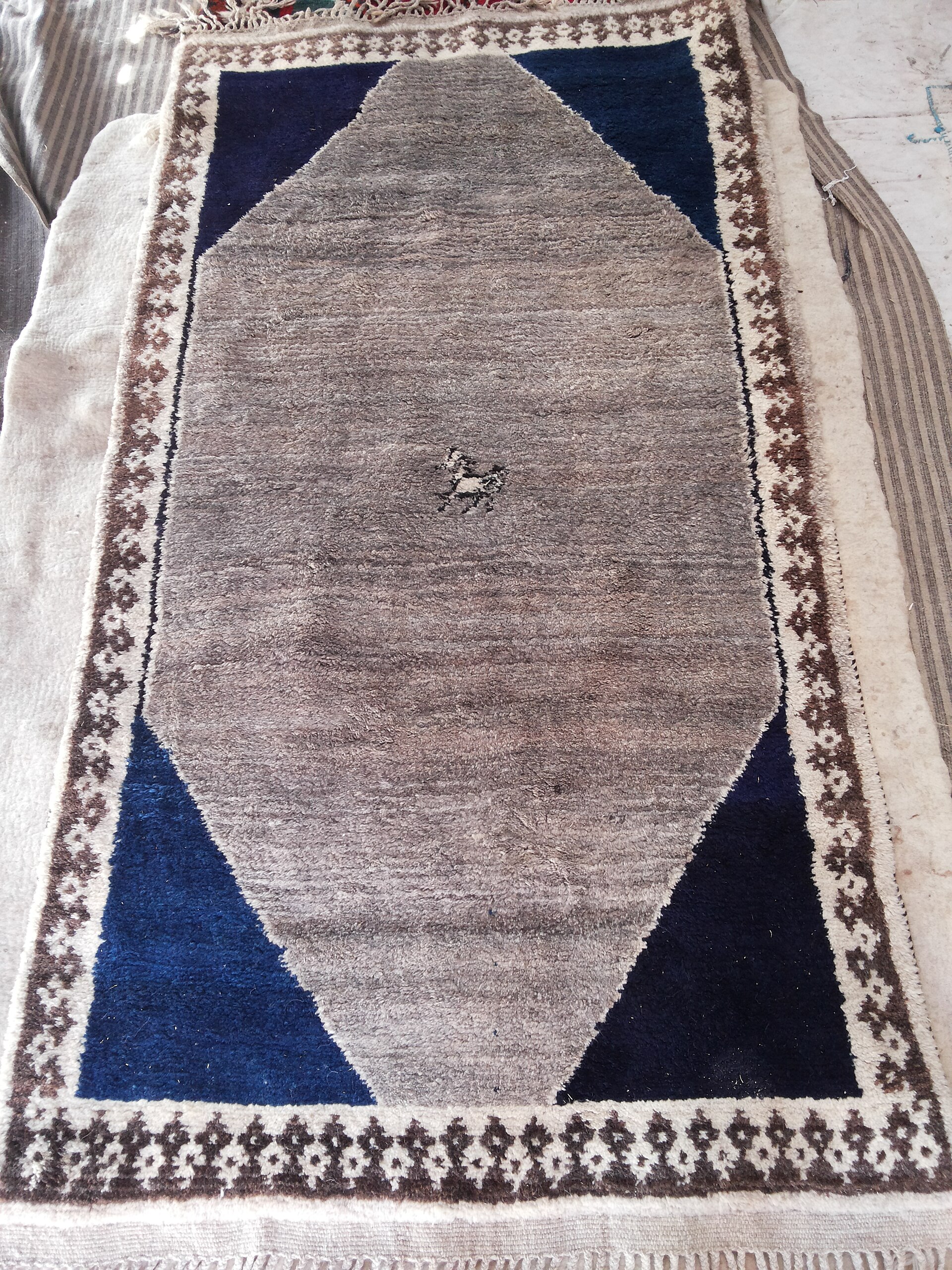
ギャッベが近年注目されている理由は、そのサステナビリティと唯一無二の個性にあります。イランの広大な自然の中で育った羊の毛を使い、植物の根や皮で染め上げた糸は、化学染料にはない奥深い表情を見せます [5]。

ギャッベ市場と製品の傾向(2026年予測含む)
展示即売会の規模(例)
500枚以上

一宮市などでの大規模展示会実績 [4]

主要サイズ展開
40cm〜150cm角

座布団サイズからリビングサイズまで [5]

耐用年数
50年〜100年

親子3代で使える耐久性

特に有名なブランドとして、ゾランヴァリ(ZOLLANVARI)が挙げられます。彼らは遊牧民の伝統的な技術を現代の品質基準で管理し、世界中にその魅力を広めました [2][3]。品質の低い模倣品(インド製や機械織り)も存在するため、購入時には産地の確認が不可欠です。
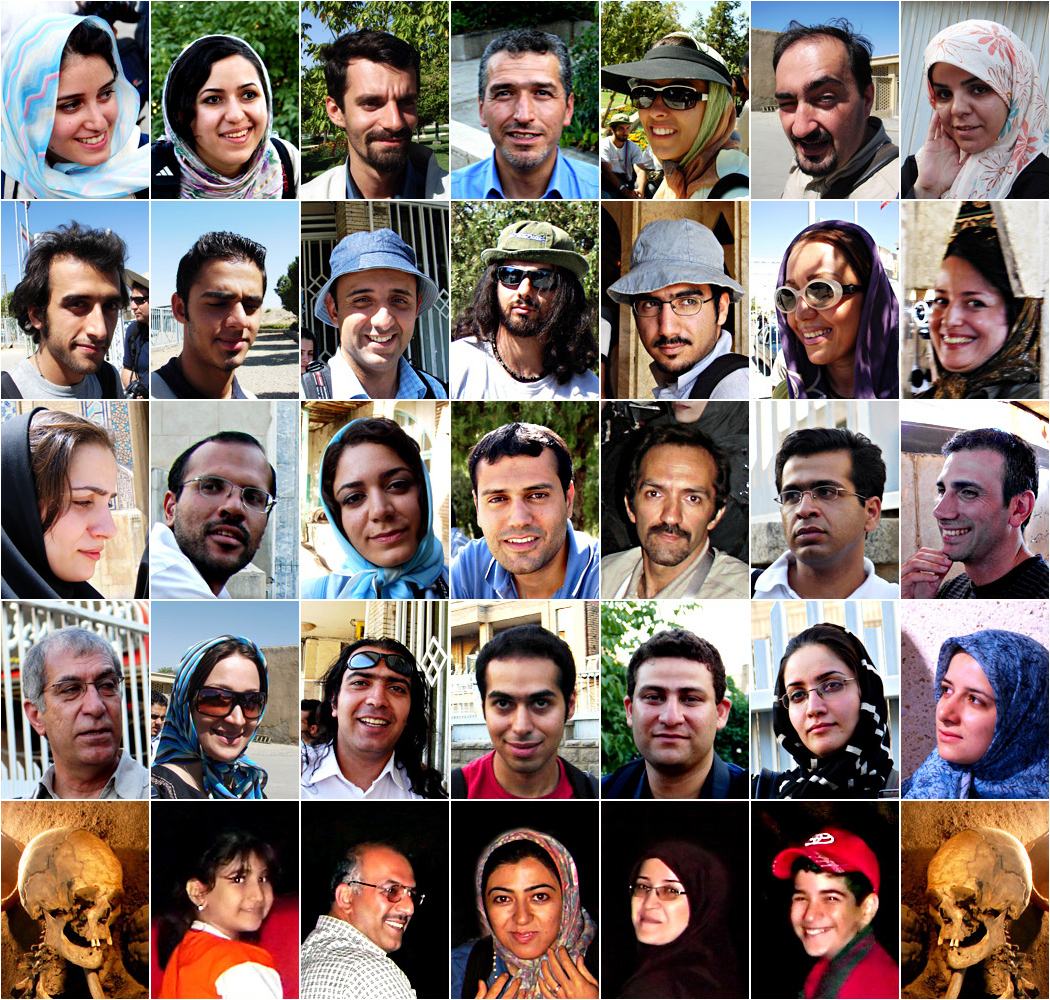
Soudeh asked me to generate portraits mosaic of attendants of 3rd Iranian Flickr Gathering in Hamadan. I know, I'm too late ;) We were 33 persons, from 7 to 58 years, from Tehran, Isfahan, Mashhad, Hamadan, Tabriz, Paris (France), and Vienna (Austria). My other photos of this gathering can be found here and all gathering photos can be found here. This photo was added to flickr explore (interestingness) of 27 August 2006. About Hamadan (from this sorce by HORIZON, originally from WikiPedia): more information: en.wikipedia.org/wiki/Hamedan Hamedan is the capital city of Hamadan Province of Iran. It had an estimated population of 550,284 in 2005. Hamadan is believed to be amongst the oldest Iranian cities and one of the OLDEST in the world. Hamadan is a green mountainous area on the foothills of the 3574-meter Alwand Mountain,in the mid west of Iran. The city is 1850 meters above sea level. The special nature of this old city and its historic sites attract tourists during the summer to this city, located approximately 400km southwest of Tehran. History Golden Rhyton from Iran's Achaemenid period from Ecbatana. National Museum of Iran.Hamadan has a distinguished place among all historical cities of Iran and geographically located at 34°51'N 48°31'E.Some historians believe that Hamadan's construction dates back to 3000 BC and according to an inscribtion from the first Assyrian king , it is aributed to 1100 BC. Hamadan was established by the Medes, and was the capital of the Median empire. It became then one of the multiple capital cities of the Achaemenid Dynasty and it has been referred to by several name variations throughout its long history, namely: Ecbatana (Median), Ecbatana (classical Greek rendition of Hagmatana) and several corruptions or mispronunciations of the previous two in subsequent centuries. During the Parthian era, Ctesiphon was the capital of the country, and Hamadan the summer capital and residence of the Parthian rulers. After the Parthians, the Sassanids constructed their summer palaces in Hamadan. In the year 633 the war of Nahavand took place and Hamadan came into the hands of the muslim Arabs, at times it thrived and at times it witnessed poverty. During the Buwayhids , it suffered much damage. In the 11th century, the Seljuks shifted their capital from Baghdad to Hamadan. The city of Hamadan which was always assaulted by the rise and fall of powers, was completely destroyed during the Timurid invasion. During the Safavid era the city thrived. Thereafter, in the year 18th century, Hamadan was surrendered to the Ottomans, but due to the courage and chivalry of Nadir Shah Afshar, Hamadan was cleared off the invaders and according to the peace treaty between Iran and the Ottomans , it was returned to Iran. The city of Hamadan lay on the Silk Road and even in the last centuries enjoyed good prospects in commerce and trade being on the main road network in the western region of the country. Climate Hamadan province lies in a temperate mountainous region to the east of Zagros. The vast plains of the north and northeast of the province are influenced by strong winds, that almost last throughout the year. The various air currents of this region are: the north and north west winds of the spring and winter seasons, which are usually humid and bring about rainfall. The west-east air currents that blow in the autumn, and the local winds that develop due to difference in air-pressure between the elevated areas and the plains, like the blind wind of the Asad Abad region. Hamadan being in the vicinity of the Alvand mountains has a cold, mountainous climate, with snowy winters. In fact it is one of the coldest cities in Iran. The temperature may drop below -30 °C on the coldest days. Heavy snowfalls are common during winter. Summer is short , and the weather is mild and pleasant and mostly sunny. Culture An example of a traditional Rug of Hamedan.Hamadan is also home to many poets and cultural celebrities. The city is also said to be among the world's oldest continuously inhabited cities. Handicrafts Hamadan has always been well-known for handicrafts like leather and ceramic work as well as for its beautiful carpets. Iran's Cultural Heritage Organization lists 207 sites of historical and cultural significance in the city of Hamedan alone. Legend has it that the biblical Esther is buried in Hamedan. The scientist and writer known in the west as Avicenna (Abu Ali Sina) is buried in Hamedan. The 11th century Persian poet Baba Taher is also interred in Hamedan. Contemporary Culture People of Hamedan are very proud of their old history. Another source of their pride is Avicenna (aka Bouali, Buali, Ebn-e-sina, Pur-e-Sina) who is buried in Hamedan. In Hamedan, you can find primary schools, secondary schools, high schools, colleges, and the main city's university names after him. Also, there are many shops and businesses named after him. The main street of Hamedan is also named Bouali. Bouali Street is a very busy one and in fact, a favorite pastime of Hamedanians is to troll up and down the street where they frequently bump into their acquaintances. Attractions Avicenna (Abu Ali Sina) Ibn Sina mausoleum Baba Tahir Mausleum Ali Sadr Cave Gonbad-e Alavian Ganj Nameh Hamedan Stone Lion Estakhr e Abbas Abad (an over-the-hill lake with a magnificent view to the city Nazari House Hamedan Museum of Natural History Excavated Ancient Ecbatana City Sister cities: Kulyab, Tajikestan
Mosaic of Hamadan Gathering · Hamed Saber · CC BY 2.0

ギャッベに描かれる文様の意味

ギャッベの柄には、織り手の願いが込められています。例えば「生命の樹」は長寿や健康、「鹿」は子供への慈しみや家庭円満を象徴しています。これらを知ることで、1枚のラグがただの敷物ではなく、家族のお守りのような存在へと変わります。

購入者が重視するポイント比較
ギャッベ検討層への独自アンケート結果(数値はイメージ)

ペルシャ絨毯の選び方:本物を見極めるポイント

ペルシャ絨毯を選ぶ際は、産地と素材を確認することが重要です。クム(Ghom)、イスファハン(Isfahan)、タブリーズ(Tabriz)、ナイン(Nain)、カシャーン(Kashan)の5大産地は、それぞれ異なるスタイルを持っています [1]。
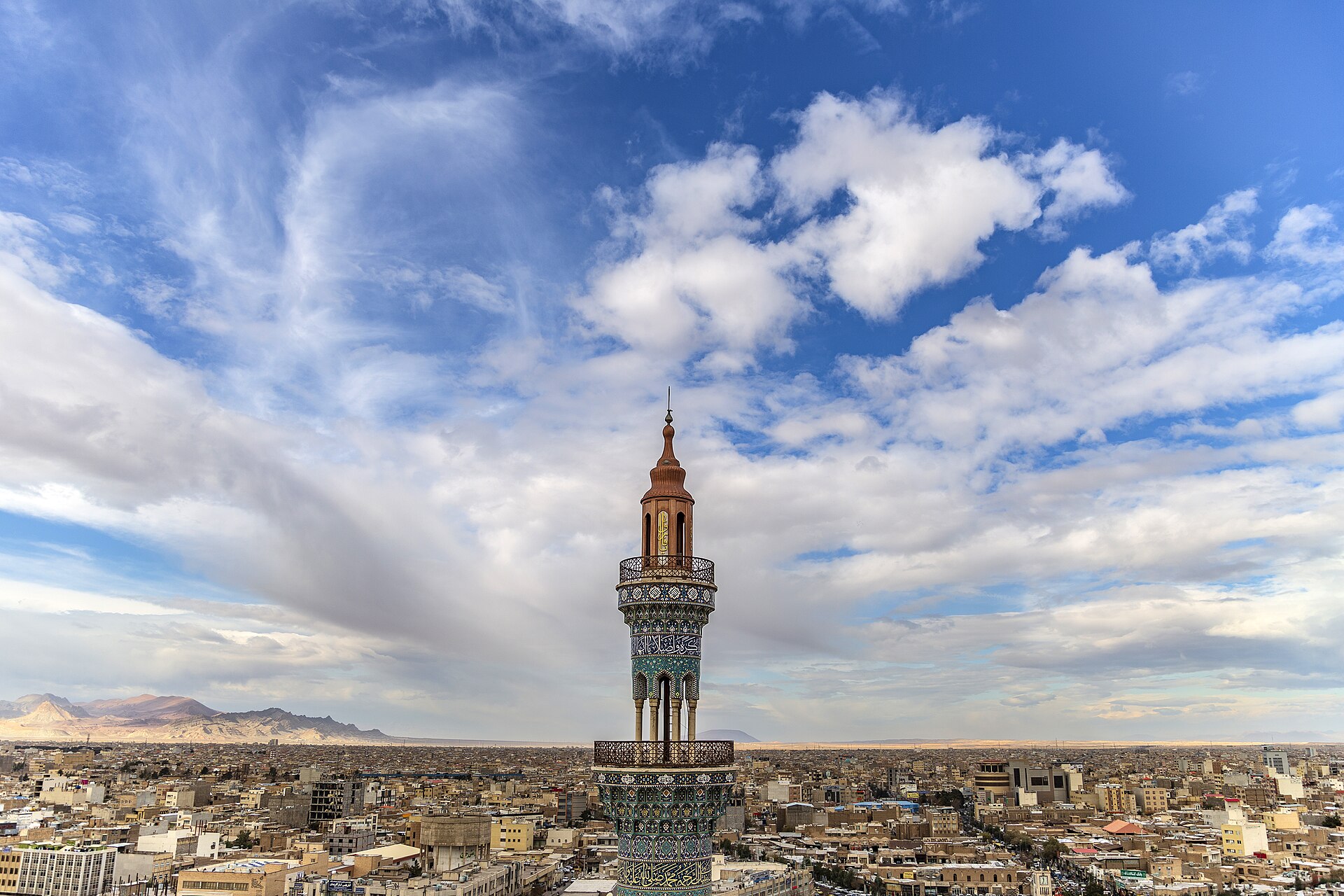
Qom is located beside the desert at 140 km south of Tehran with the height of 930 m above the sea level in an arid region. It enjoys a desert and semi-desert climate. Summer is warm and arid and winter is nearly cold in this city. Qom consists of 5 parts as "Jafarabda", "Khalajestan", "Salafchegan", "Kahak", "Markazi", one city and 9 rural districts. This city is the 8th populous city after Tehran, Mashhad, Isfahan, Tabriz, Karaj, Shiraz, Ahvaz and second religious city after Mashhad and also one of the main centers of Silk Carpet, Sweets and Sohan production in Iran and all around the world located among Iran transportation roads which connect the industrial cities to Tehran, on one hand, and link the southern provinces and cities of Iran to the northern ones, on the other hand. Qom, one of the most significant desert towns, is of the main poles of developing pilgrimage tourism in Iran.
عکس قم ایران از دریچه دوربین کلانشهرهای ایرانی مصطفی معراجی تصاویر ایران زمین با کیفیت مجوز کریتیو کامانز 01 · Mostafameraji · CC BY-SA 4.0
購入前にチェックすべき項目
  • 裏返して結び目の細かさを確認する(細かいほど高価値)
  • シルクの場合は光の当たり方で色が変わるか見る
  • 端(フリンジ)の処理が丁寧か確認する
  • 信頼できる専門店(調度品の亀川や絨毯ギャラリーなど)で購入する [2][3]
  • クリーニングや修理のアフターサービスがあるか [4]

“ペルシャ絨毯は単なる床の敷物ではない。それは織り手の人生の一部であり、千年の歴史が紡いだ物語そのものである。”

— イラン手織り絨毯鑑定士

日常のお手入れはどうすればいい?

高価な絨毯だからといって、特別に構える必要はありません。手織りのウール絨毯には天然の脂分(ラノリン)が含まれており、汚れを弾く性質があります [5]。

もし飲み物をこぼしてしまったら?

すぐに乾いた布やティッシュで水分を吸い取ってください。こするのは厳禁です。その後、固く絞った布で叩くように汚れを落とします。汚れがひどい場合は、無理をせず専門店に相談するのが賢明です [4]。
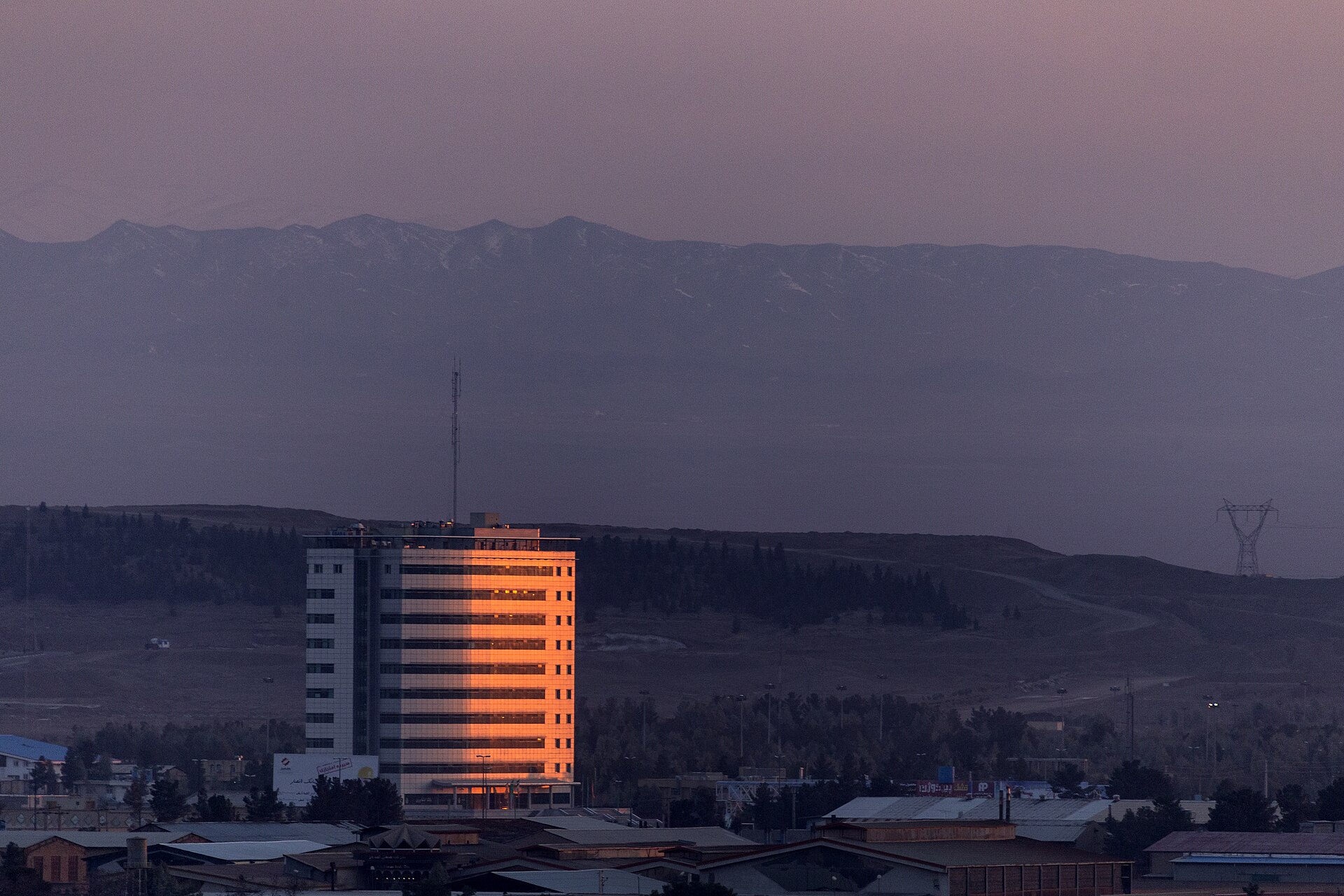
Qom is located beside the desert at 140 km south of Tehran with the height of 930 m above the sea level in an arid region. It enjoys a desert and semi-desert climate. Summer is warm and arid and winter is nearly cold in this city. Qom consists of 5 parts as "Jafarabda", "Khalajestan", "Salafchegan", "Kahak", "Markazi", one city and 9 rural districts. This city is the 8th populous city after Tehran, Mashhad, Isfahan, Tabriz, Karaj, Shiraz, Ahvaz and second religious city after Mashhad and also one of the main centers of Silk Carpet, Sweets and Sohan production in Iran and all around the world located among Iran transportation roads which connect the industrial cities to Tehran, on one hand, and link the southern provinces and cities of Iran to the northern ones, on the other hand. Qom, one of the most significant desert towns, is of the main poles of developing pilgrimage tourism in Iran.
عکس قم ایران از دریچه دوربین کلانشهرهای ایرانی مصطفی معراجی تصاویر ایران زمین با کیفیت مجوز کریتیو کامانز 02 · Mostafameraji · CC BY-SA 4.0

よくある質問 (FAQ)

ギャッベとペルシャ絨毯、夏は暑くないですか?
天然ウールを使用しているため、夏でもさらりとした肌触りです。ウールには熱を遮断し、湿気を吸収・放出する調湿作用があるため、日本の高温多湿な夏でも快適に使用できます [5]。
ゾランヴァリ製のギャッベは何が違うのですか?
ゾランヴァリは世界的な最高級ブランドで、高品質なウール選別と洗練された草木染めの技術、そして徹底した品質管理が特徴です。他のギャッベに比べて肌触りが非常に柔らかく、デザイン性が高いのが魅力です [2][3]。
安いギャッベを見かけますが、本物との違いは何ですか?
安価なものはインド製やベルギー製の機械織り(ウィルトン織り)であることが多いです [5]。本物のイラン製は手結びで、耐久性や色の深みが全く異なります。長く使うならイラン製をおすすめします。
マンションの床暖房の上で使っても大丈夫ですか?
はい、問題ありません。ウールは熱に強く、床暖房の熱をじわじわと伝えて保温してくれます。ただし、裏面にゴムなどが貼られている安価なラグは熱で劣化することがあるため、手織りの本物を選ぶのが安全です。
ペルシャ絨毯の寿命はどのくらいですか?
丁寧に使用すれば100年以上持ちます。イランでは「絨毯は使い込むほどに価値が上がる」と言われ、アンティークとして代々受け継がれることも珍しくありません。

結論として、豪華絢爛な美しさと格式を求めるならペルシャ絨毯、家族の笑顔が集まる温かい空間を作りたいならギャッベが最適です。どちらも、あなたの生活を豊かにする一生もののパートナーになってくれるはずです。まずは展示会などで、実際にその手触りを確かめてみることから始めてみましょう [4][6]。
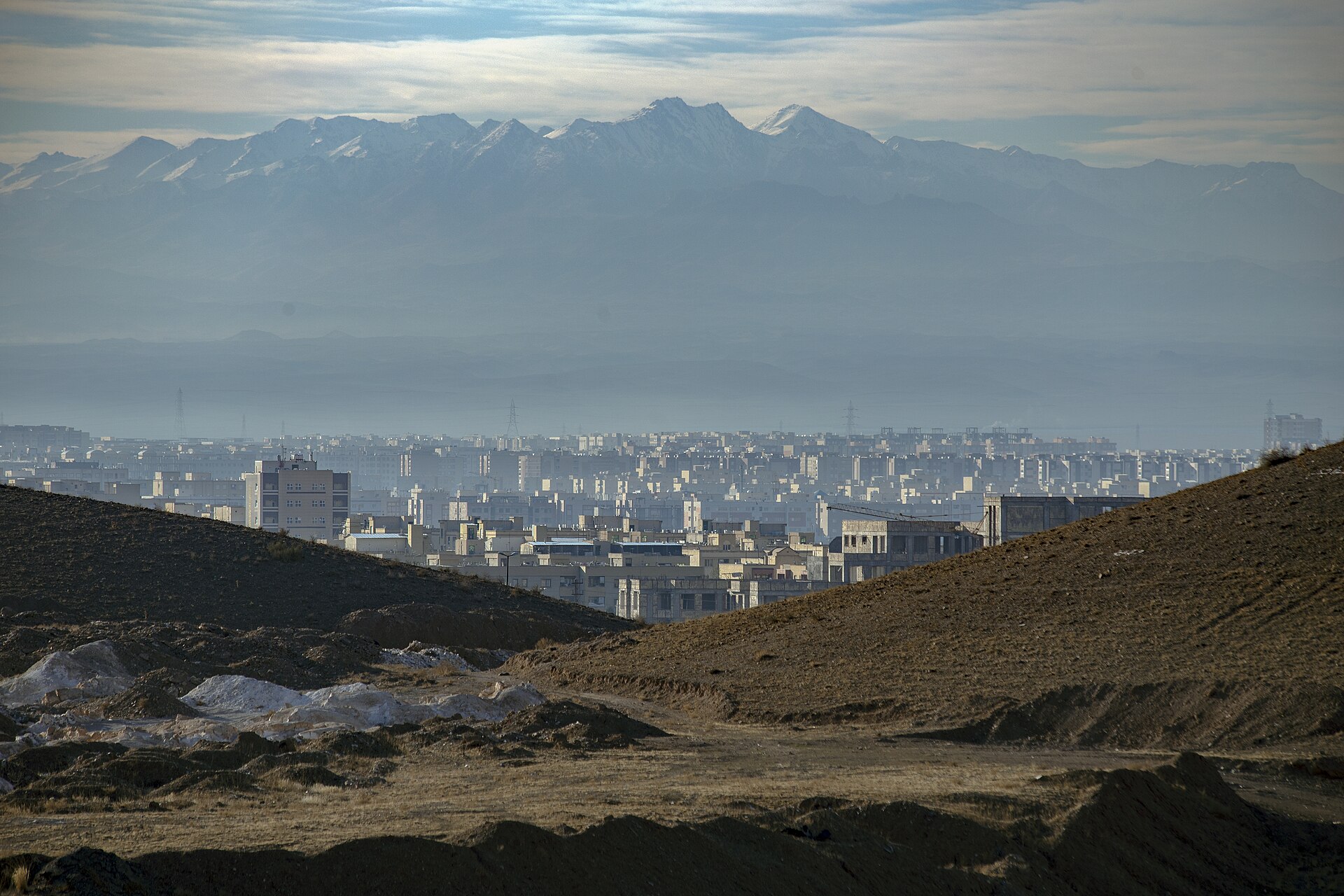
Qom is located beside the desert at 140 km south of Tehran with the height of 930 m above the sea level in an arid region. It enjoys a desert and semi-desert climate. Summer is warm and arid and winter is nearly cold in this city. Qom consists of 5 parts as "Jafarabda", "Khalajestan", "Salafchegan", "Kahak", "Markazi", one city and 9 rural districts. This city is the 8th populous city after Tehran, Mashhad, Isfahan, Tabriz, Karaj, Shiraz, Ahvaz and second religious city after Mashhad and also one of the main centers of Silk Carpet, Sweets and Sohan production in Iran and all around the world located among Iran transportation roads which connect the industrial cities to Tehran, on one hand, and link the southern provinces and cities of Iran to the northern ones, on the other hand. Qom, one of the most significant desert towns, is of the main poles of developing pilgrimage tourism in Iran.
عکس قم ایران از دریچه دوربین کلانشهرهای ایرانی مصطفی معراجی تصاویر ایران زمین با کیفیت مجوز کریتیو کامانز 03 · Mostafameraji · CC BY-SA 4.0

Sources

  1. [1]ペルシャ絨毯のおすすめ人気ランキング【2026年10月】· my-best.com
  2. [2]本場イランのギャッベ・ペルシャ絨毯 ゾランヴァリ正規販売店· 調度品の亀川
  3. [3]絨毯ギャラリー|ゾランヴァリ日本総代理店・ZOLLANVARI· 絨毯ギャラリー
  4. [4]日本屈指の品揃え GABBEH ART GALLERY (ギャッベアートギャラリー)· ギャッベアートギャラリー
  5. [5]ギャッベラグ特集|イランギャッベ・インドギャッベ・ウィルトンギャッベを比較· サヤンサヤン 楽天市場店
  6. [6]NEWS | TRIO STYLE· TRIO STYLE