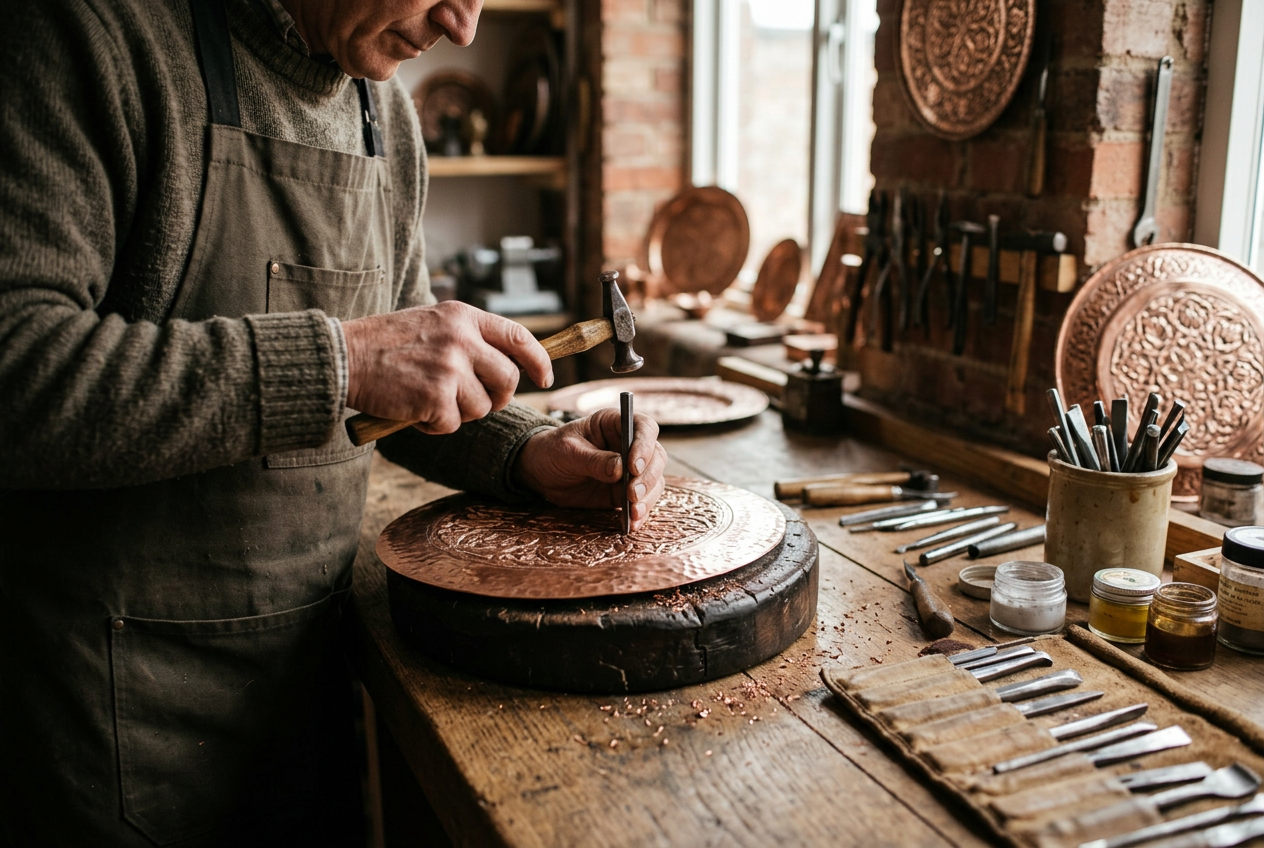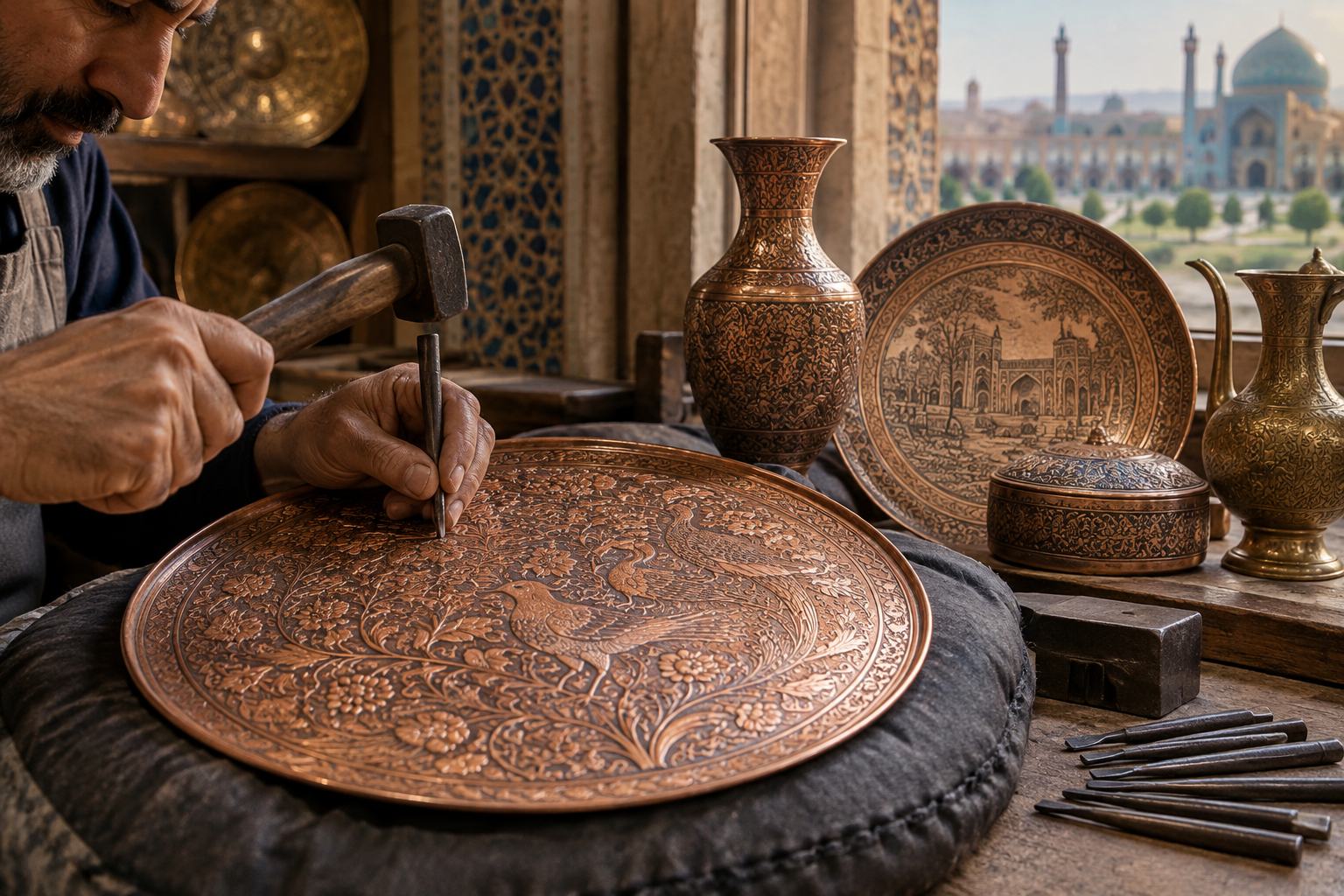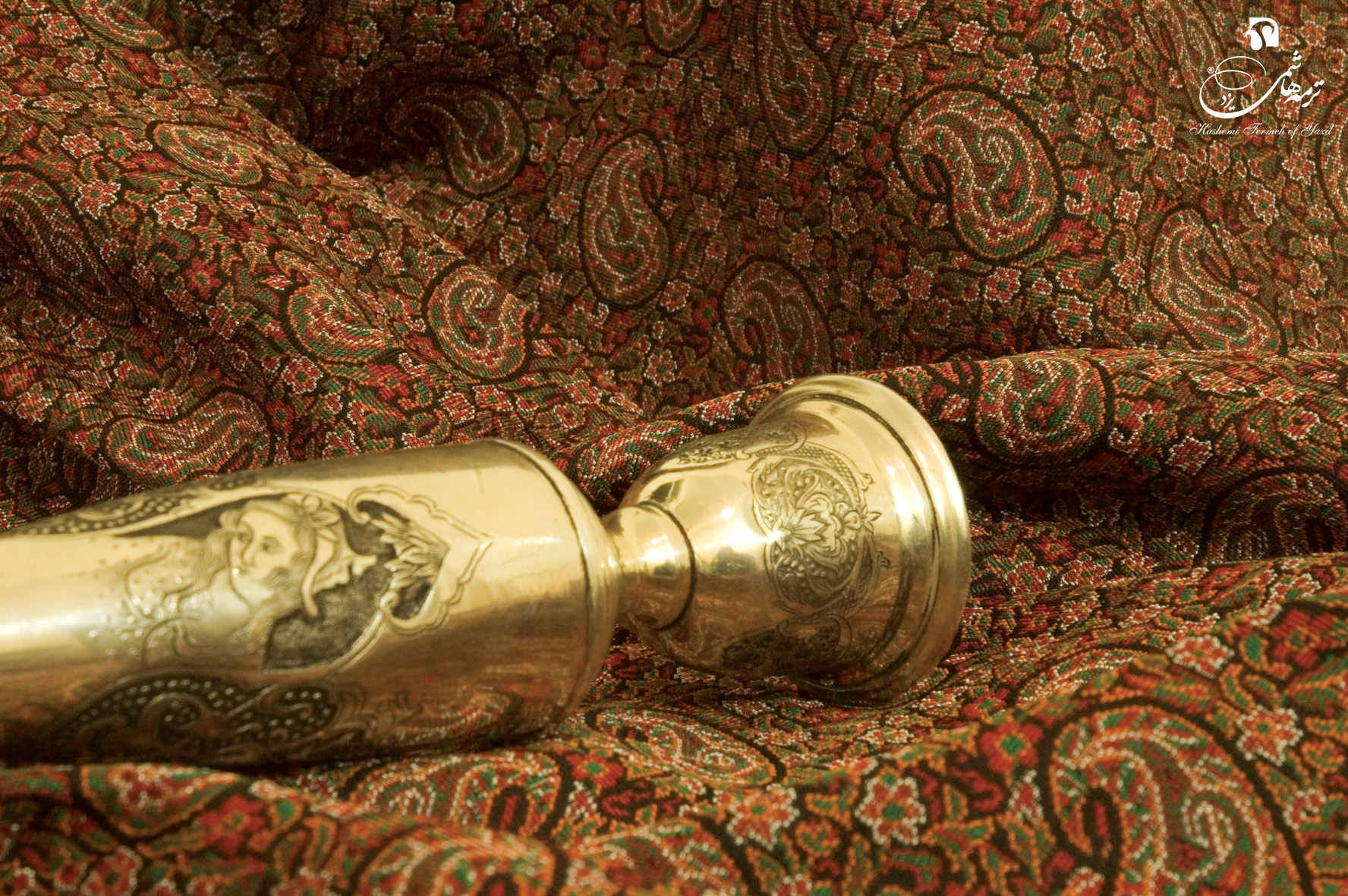
On the 10th of June, 2025, within the sun-drenched alleys and turquoise-domed skyline of Yazd, a profound celebration took place. This ancient desert city, a jewel of history and architecture, was officially designated a World Craft City for Jewellery. The announcement, celebrated by cultural bodies like the Iran Cultural Council, marked not just an accolade but a powerful affirmation of a concept central to Persian identity: that its handicrafts are not relics of a bygone era, but a dynamic, breathing, and evolving form of cultural expression. This recognition places Yazd, and by extension Iran, at the forefront of a global movement to cherish and preserve the skills of the human hand in an increasingly mechanized world. It is a story of threads, clay, metal, and dye—a story of a living heritage.
The Global Stage: Understanding a Landmark Recognition
The designation of a 'World Craft City' is more than a ceremonial title; it is part of a dedicated international effort to safeguard our planet’s diverse artisanal traditions. This initiative is spearheaded by the World Handicrafts Council, an organization originally established by UNESCO with the mission to preserve traditional artisan heritage across the globe. By highlighting cities with a significant and historical concentration of a particular craft, the Council fosters an environment where these skills can thrive, gain economic sustainability, and be passed to the next generation. This recognition connects local artisans to a global network, providing them with a platform for dialogue, exchange, and market access, as seen in international events like the Folk Art Market in Santa Fe, which celebrates its own status as a UNESCO Creative City.
Yazd's status for jewellery situates it within an esteemed global family of craft-centric municipalities. This international visibility was recently highlighted at the BRICS Bazaar, where Zahra Pezeshkian explored rich artisan traditions, showcasing how Iranian handmade crafts maintain their prominence on the global stage. From Srinagar in Kashmir to Chiang Mai's Lanna heritage, these cities form a network dedicated to the survival of ancestral techniques.
| City | Country / Region | Craft Speciality | Recognition |
|---|---|---|---|
| Yazd | Iran | Jewellery | World Craft City |
| Srinagar | Kashmir | Diverse Handmade Crafts | Craft City |
| Santa Fe | USA (New Mexico) | Folk Art | UNESCO Creative City |
Isfahan: The City as a Masterpiece
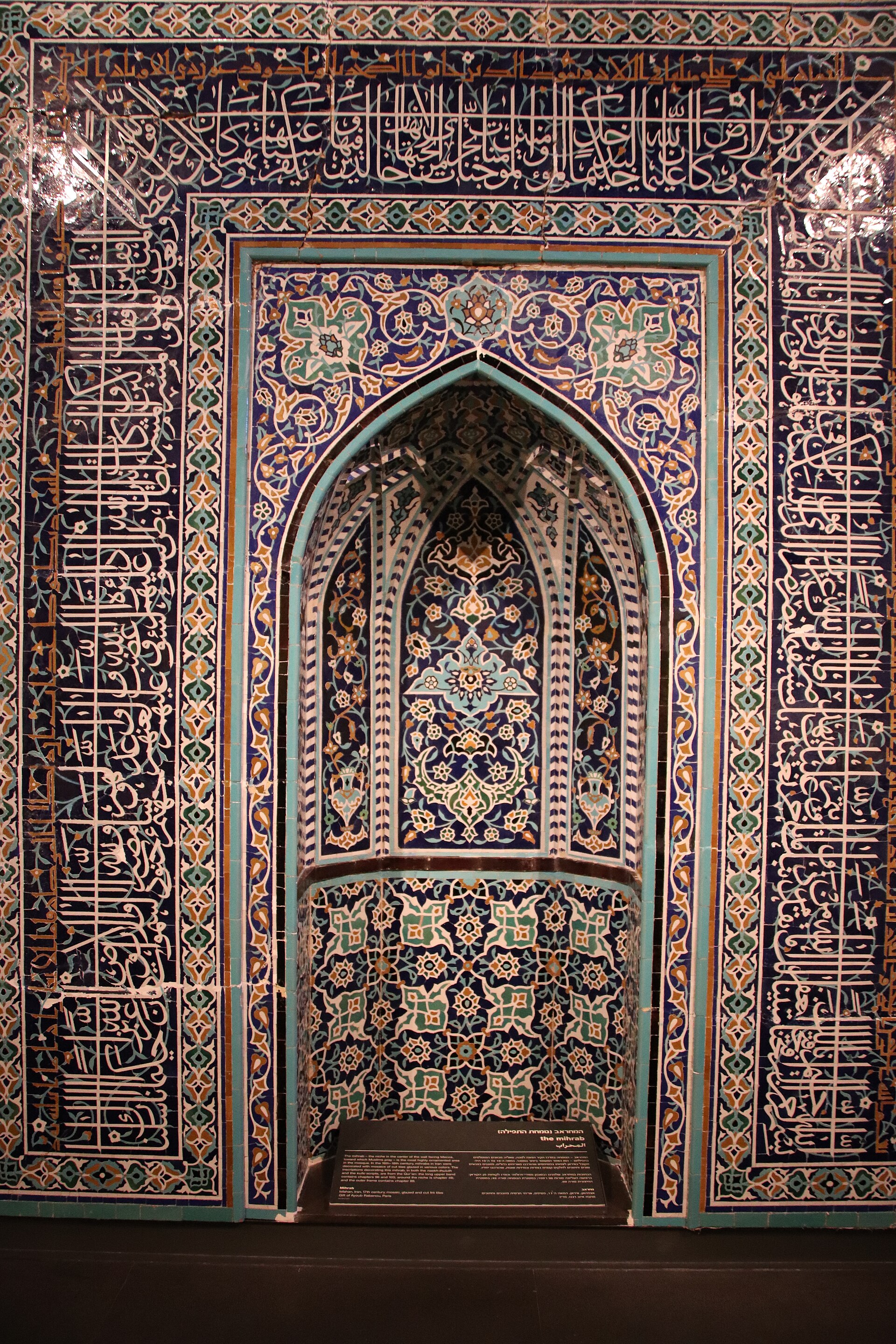
While Yazd now shines for its jewellery, no discussion of Iranian handicrafts is complete without turning to Isfahan, a city often called the 'jewel of Iran' itself. Its very fabric is woven with art. At its heart lies the magnificent Naqsh-e Jahan Square, a UNESCO World Heritage Site that stands as one of the largest and most breathtaking public squares ever constructed. But beyond the architectural grandeur, the city's pulse is felt in its bustling workshops and ateliers, where centuries-old artistic traditions continue to flourish with undiminished vibrancy.
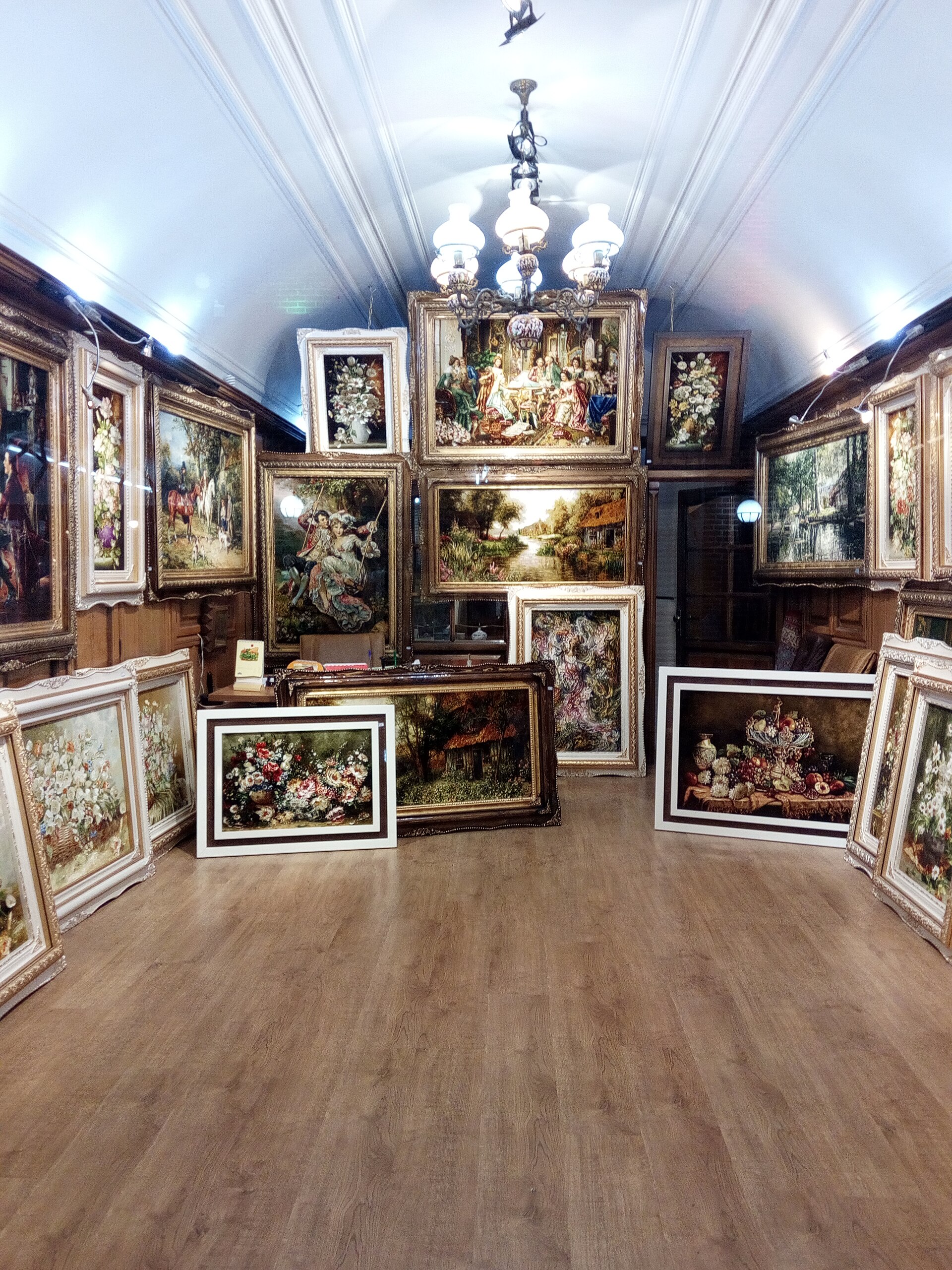
“These are not just crafts; they are stories of culture, architecture, and artistry, embedded in the soul of the city.”
Among Isfahan's myriad artistic outputs, Ghalamkari stands out as a prime example of its living heritage. This ancient art involves traditional hand-block printing on fabric, a meticulous process that transforms simple cloth into a canvas for intricate Persian motifs. In the workshops of Isfahan, skilled artisans carefully carve elaborate designs into wooden stamps. Each stamp is then dipped in natural dyes and pressed onto the fabric with precision and rhythmic force. The layering of different blocks and colors builds up complex patterns, from floral arabesques to detailed narrative scenes. Every piece of Ghalamkari fabric is a testament to the artisan's steady hand and artistic eye, a unique creation that carries the faint, earthy scent of its dyes and the indelible mark of its maker.
The survival of Ghalamkari is a direct embodiment of UNESCO's principles of safeguarding living traditions. It is a skill that cannot be learned from a book alone; it requires apprenticeship, observation, and years of practice under the guidance of a master. The artisans of Isfahan are not merely producing decorative textiles; they are active custodians of a cultural language, ensuring its grammar and vocabulary are not forgotten.
The Woven Soul: Narratives of the Persian Carpet
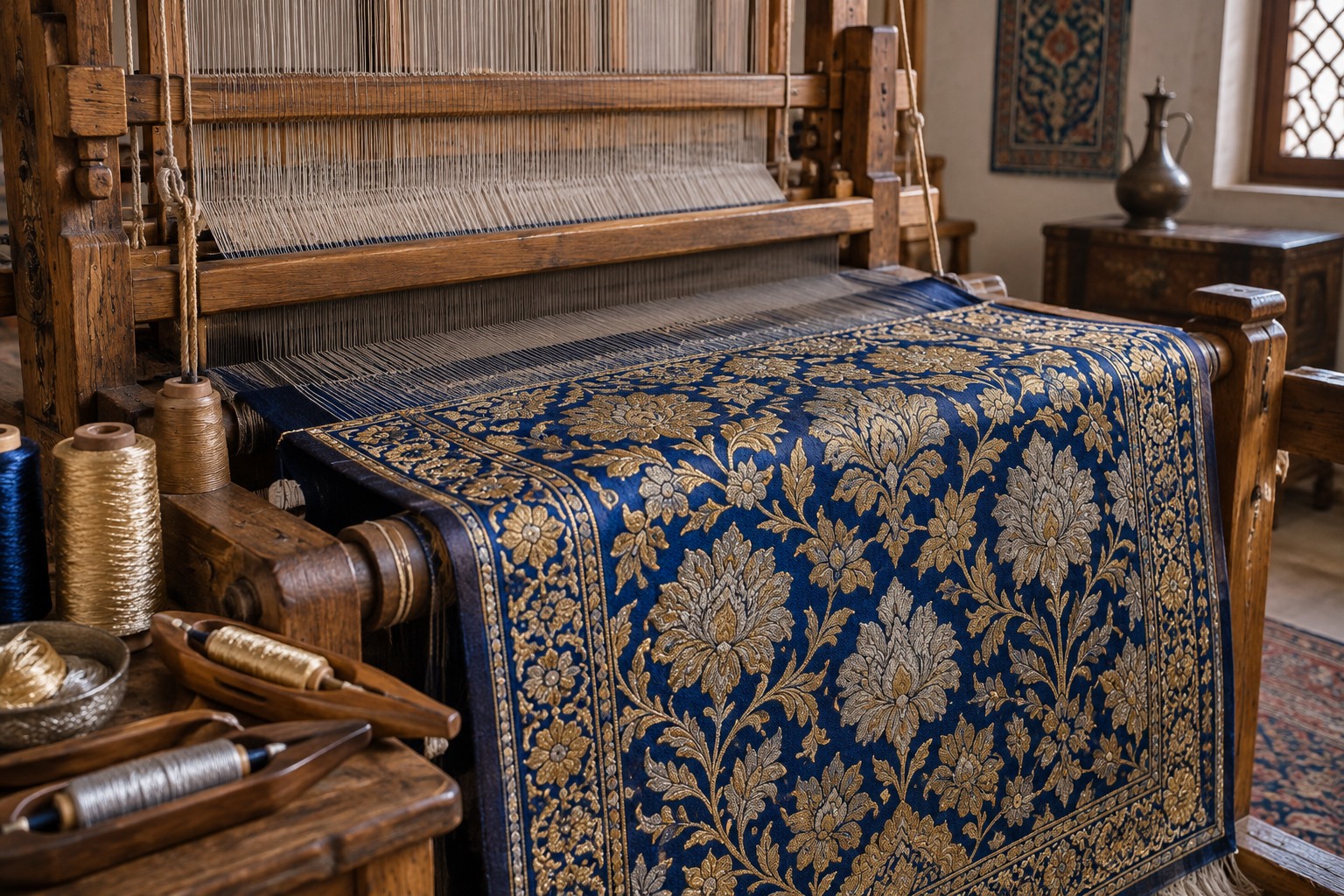
Perhaps no single handicraft is more synonymous with Iran than the Persian carpet. Celebrated on World Handicrafts Day and beyond, the carpet is a cultural ambassador, a piece of Iran's soul that resides in homes and museums across the world. To view a Persian carpet is to read a story. Each one is a universe of symbols, colors, and textures, meticulously woven with a patience that can span months or even years. Master artisans from cities across Iran—Tabriz, Kerman, Kashan, and Isfahan, to name a few—imbue their creations with distinct regional identities, using patterns that have been passed down for centuries yet are subtly reinterpreted with each new creation.
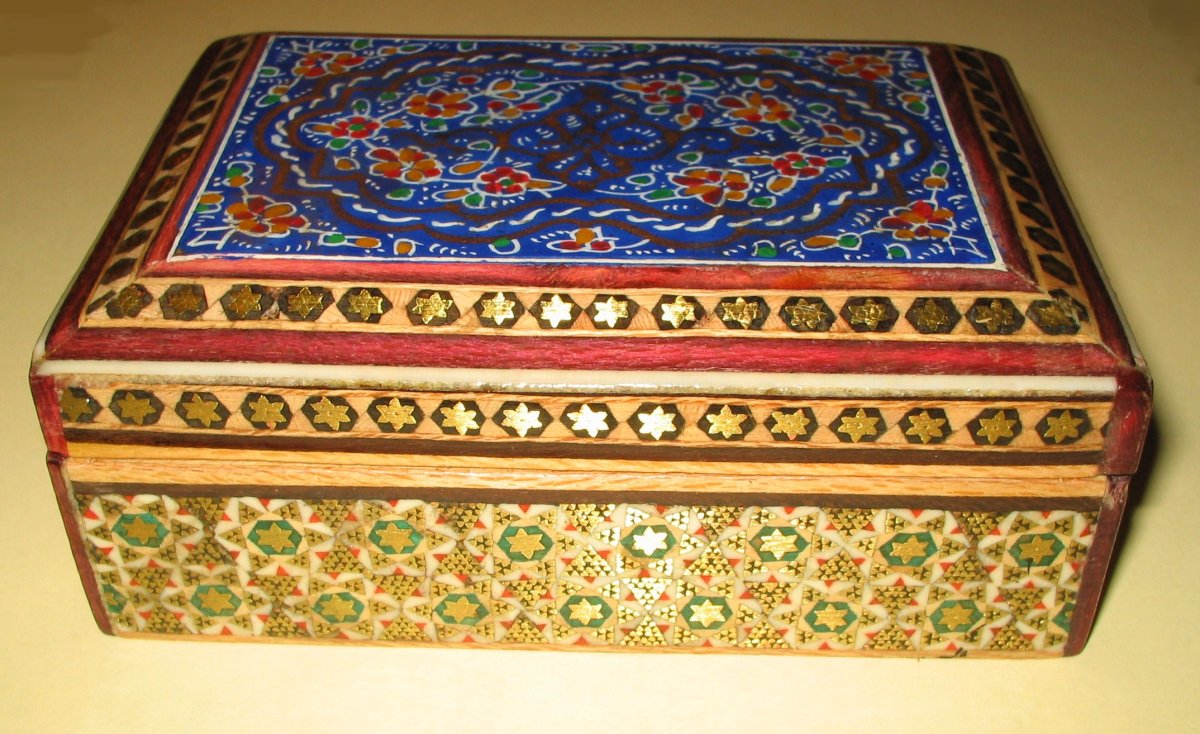
“Each rug tells a story, woven with patience and tradition by master artisans from different cities across Iran.”
The loom is where mathematics meets poetry. The precise counting of knots, the careful selection of hand-dyed wool and silk, and the gradual emergence of a complex design are all part of a discipline that is both technical and deeply spiritual. The designs are rarely just ornamental; they are rich with symbolism, drawing from nature, poetry, and mysticism. A cypress tree may signify life after death, a pomegranate represents fertility, and a meandering vine suggests the eternal nature of life. In this way, the Persian carpet is more than a floor covering; it is a document of cultural values and a testament to the enduring power of narrative art, a perfect example of the intangible heritage that organizations like UNESCO strive to protect.
Guardians of the Flame: The Central Role of the Artisan
At the core of every Ghalamkari print, every glittering piece of Yazdi jewellery, and every knot in a Persian carpet is the artisan. They are the 'skilled artisans' and 'master artisans' who act as the guardians of this precious heritage. Their hands hold not just tools, but generations of accumulated knowledge. This transmission of skill is a universal human story. In the Philippines, a young Subanen student learns from a cultural master, ensuring the continuity of their traditions; in Iran, a young weaver learns at the loom from their mother or father. This master-apprentice relationship is the invisible thread that connects the past to the future, the very essence of 'living heritage'.
Preserving this human element remains a critical goal. International recognition, such as Yazd's title and the 65th National Exhibition of Art in 2026, plays a crucial role by bringing global attention to these 'master artisans'. Such platforms ensure that the flame of creativity, which fuels the production of evocative sculptures and textiles, continues to burn brightly in the face of modern industrialization.
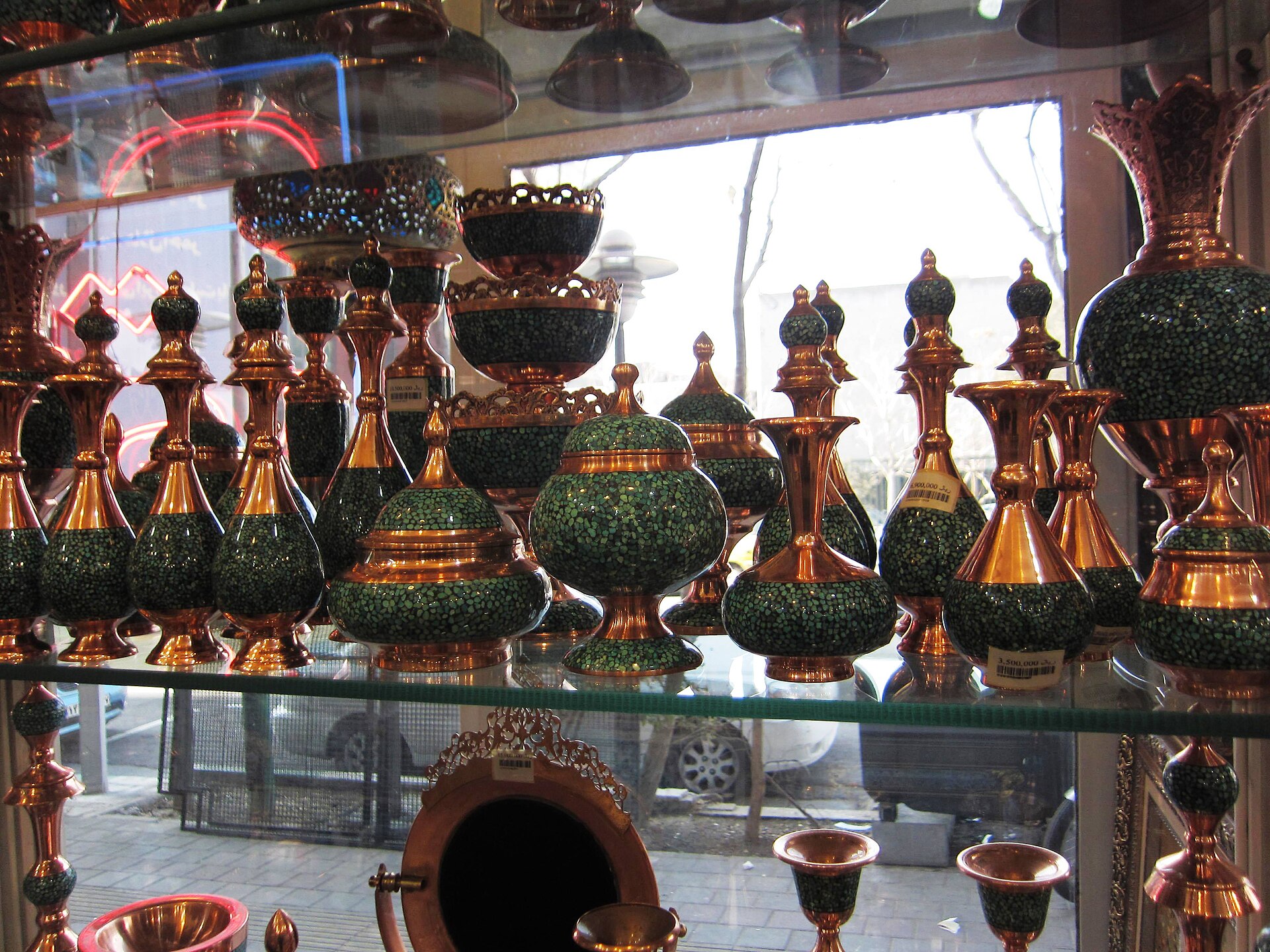
Ultimately, the story of Iranian handicrafts is a story of resilience and resurgence. It is the story of artisans who, against the tide of globalization and mass production, continue to create objects of profound beauty and meaning. The designation of Yazd as a World Craft City is a significant chapter in this ongoing narrative, but it is the artisans themselves—in the quiet workshops of Isfahan, before the looms in Kerman, and at the jewellers' benches in Yazd—who are its true authors. Their work ensures that Persian culture is not something to be merely observed in a museum, but to be touched, used, and lived with.
As the world continues to recognize the importance of these living traditions, the future of Iranian handicrafts looks brighter than ever. It is a future woven from the threads of the past, colored with the dyes of the present, and patterned with the hopes of a new generation of masters. Each piece created is a quiet revolution, a declaration that beauty, patience, and human touch still hold immense power in our world.
The global momentum for safeguarding these traditions continues into 2026. UNESCO's Intangible Cultural Heritage Fund has initiated new projects to protect endangered crafts, emphasizing that heritage and design must remain in a constant dialogue. Events like Hama’s Spring Festival further demonstrate this regional commitment, with dozens of artisans showcasing skills that define their local identity.
Frequently asked questions
- What are the most famous Iranian handicrafts?
- Iran is world-renowned for its diverse handicrafts, most notably Persian carpets, which serve as cultural ambassadors. Other significant crafts include Isfahan’s Ghalamkari (hand-block printing on fabric), Yazd’s traditional jewelry, and intricate woodcarvings. These arts are recognized for their historical depth, geometric precision, and the use of natural materials like hand-dyed wool and silk.
- Which Iranian city is known for its jewelry heritage?
- Yazd is celebrated as a major center for jewelry in Iran. Recently recognized as a World Craft City, Yazd is famous for its unique gold and silver work. The city's designation helps safeguard the traditional skills of Yazdi artisans, ensuring that their ancient techniques in metalwork are preserved for future generations.
- What is Ghalamkari in Persian art?
- Ghalamkari is a traditional Iranian art form involving the meticulous process of hand-printing textiles. Artisans use hand-carved wooden stamps to apply intricate patterns onto fabric, typically cotton. Primarily practiced in cities like Isfahan, this craft is a prime example of living heritage that requires years of apprenticeship to master the rhythmic stamping and dyeing techniques.
- How does UNESCO support Iranian handicrafts?
- UNESCO supports Iranian handicrafts by designating 'World Craft Cities' and listing specific practices as Intangible Cultural Heritage (ICH). These designations provide international visibility, funding for safeguarding projects, and a framework for protecting the 'human element'—the master artisans whose skills cannot be replicated by machines or mass production.
- Why are Persian carpets considered 'living heritage'?
- Persian carpets are considered living heritage because they represent a continuous transmission of knowledge across generations. Each rug is a repository of local history, mathematics, and poetry. The process—from selecting hand-dyed silk to the precise counting of knots—embodies a cultural narrative that evolves while remaining rooted in centuries-old tribal and urban traditions.
Sources
- [1]ICH - UNESCO Intangible Cultural Heritage· ich.unesco.org
- [2]Living Hands: Heritage and Design in Dialogue· UNESCO