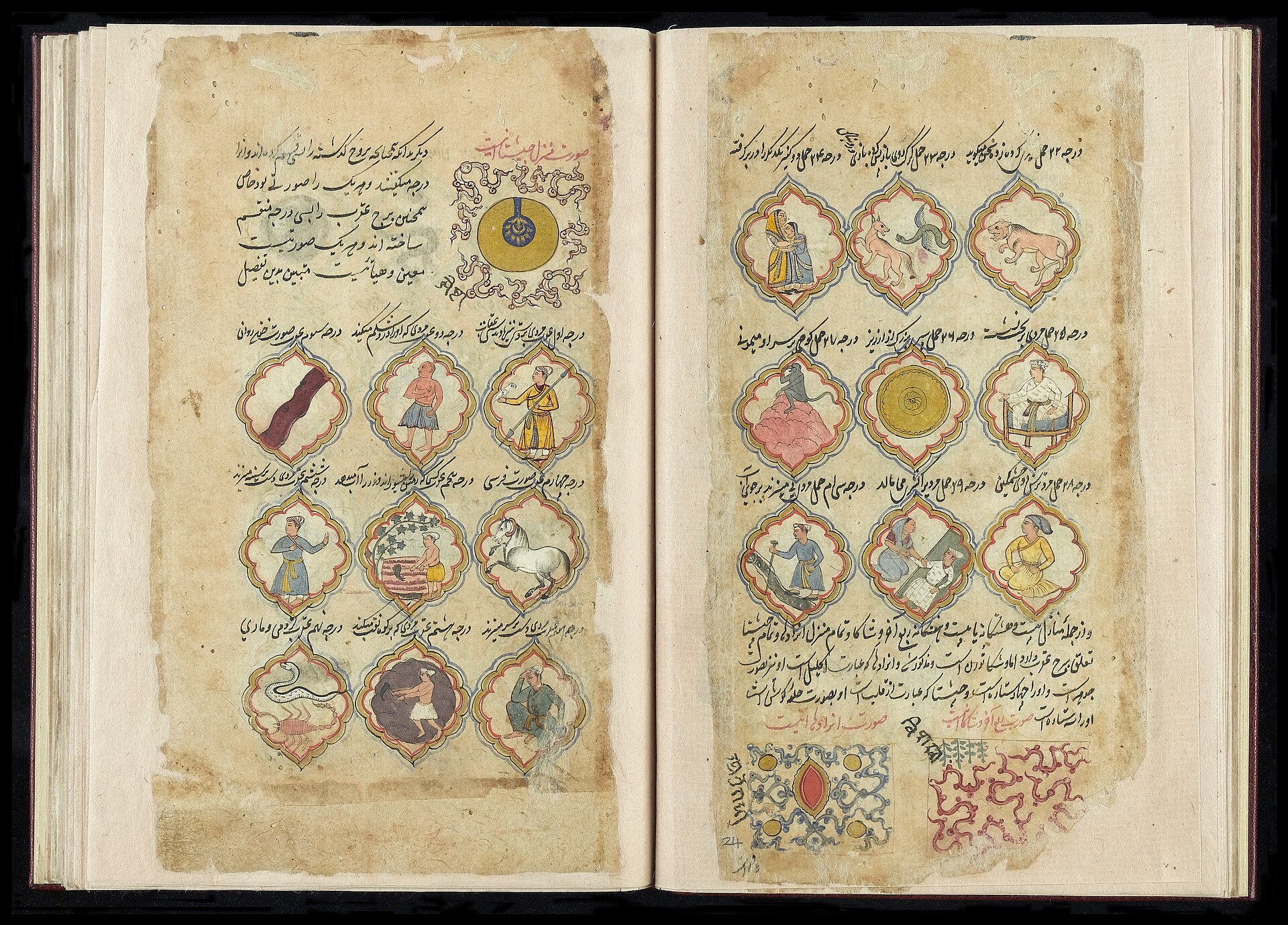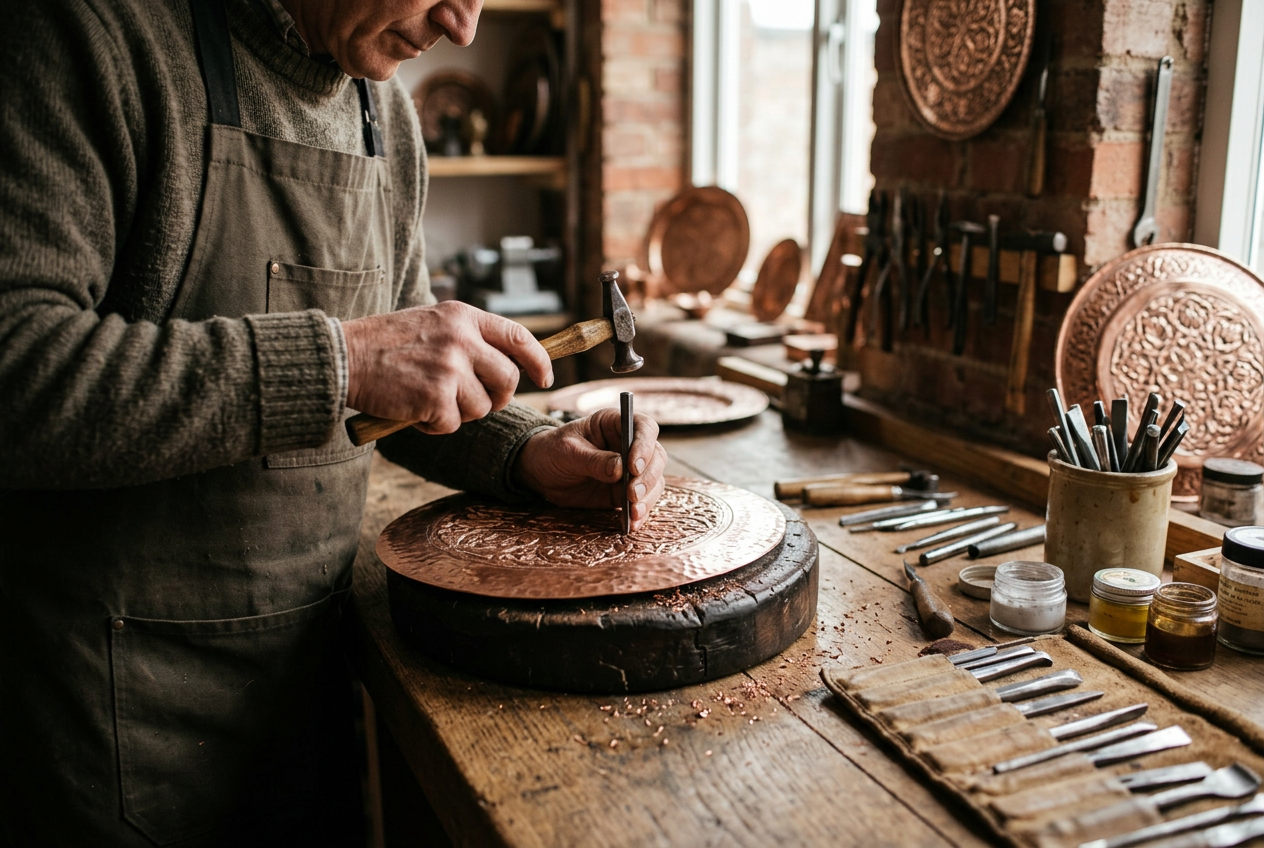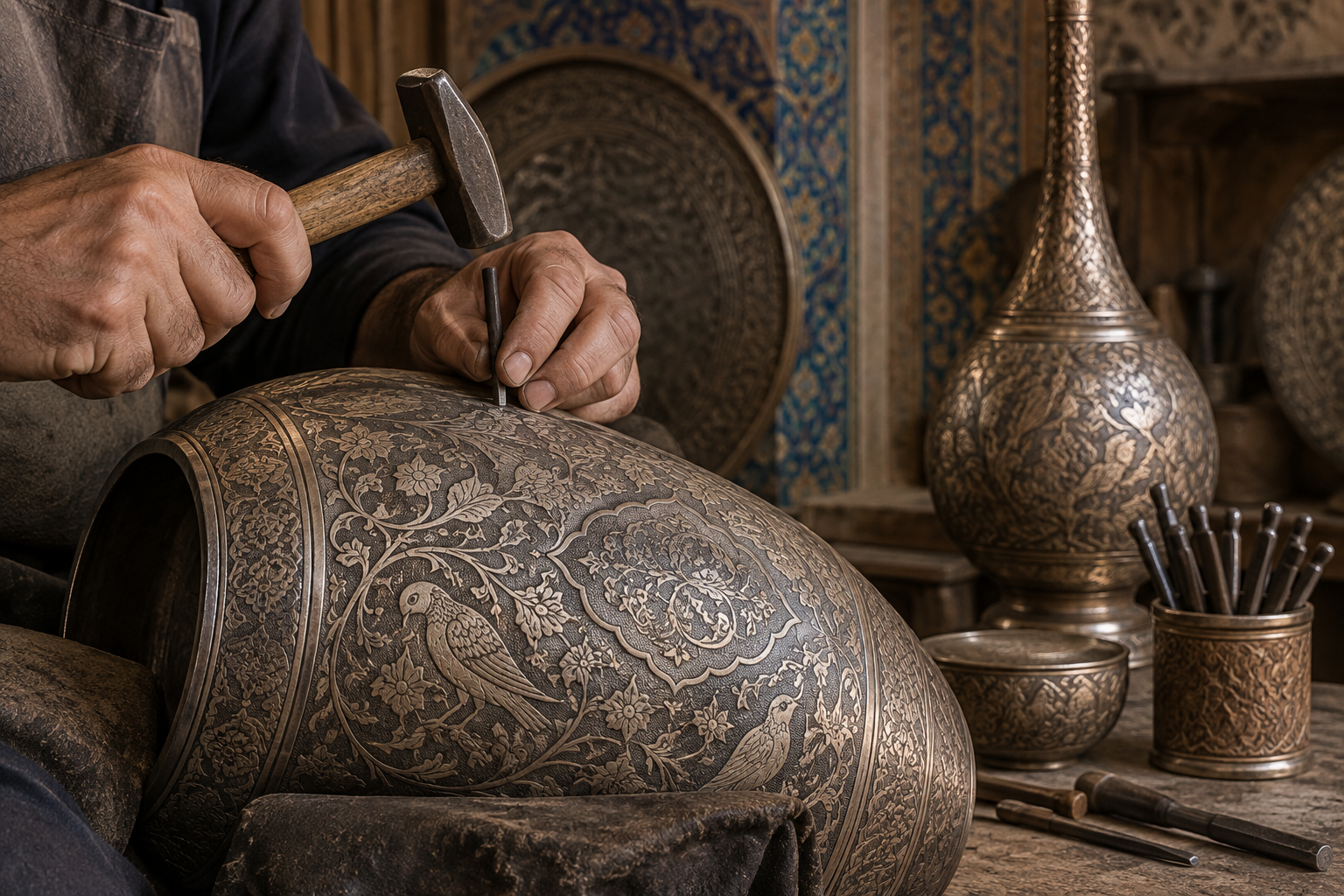
Persian metalwork is the ancient Iranian art of shaping, forging, and engraving metals—such as copper, brass, silver, and steel—to create ceremonial, functional, and decorative objects. This heritage spans millennia, evolving through the Timurid era, where metalwork reflected the high status of court officials [2], and into the Safavid and Qajar periods. Today, it remains a vital expression of Iranian identity, blending geometric precision with organic motifs.
What is the Significance of Qalamzani in Persian Heritage?
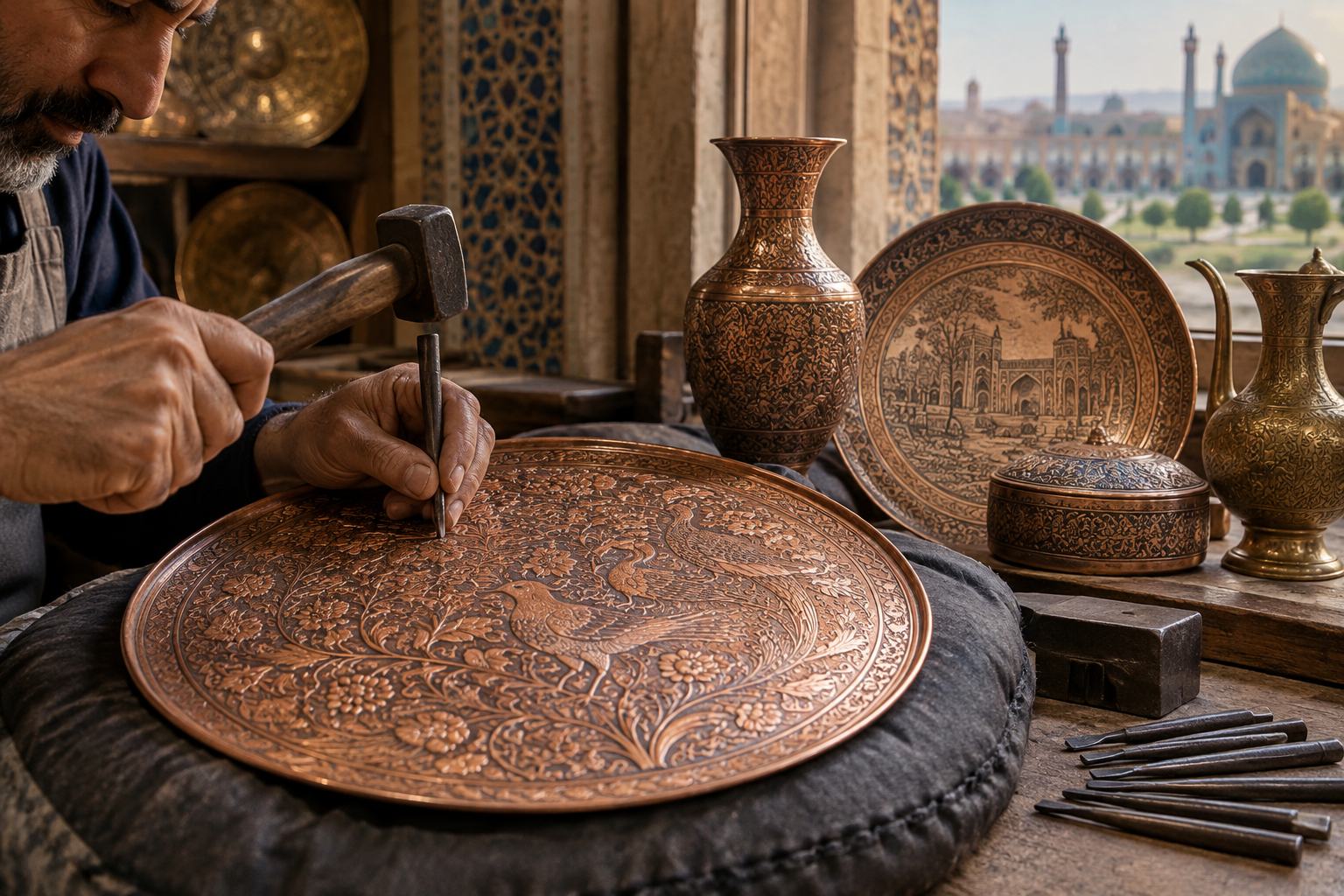
Qalamzani is the distinctive Iranian art of metal engraving, where master craftsmen use a variety of small hammers and steel chisels to carve intricate designs into the surface of metal vessels. For centuries, this art form has served as a visual archive of Iranian life, featuring floral scrolls, hunting scenes inspired by Persian miniatures, and grand royal banquets. These motifs are not merely decorative; they represent a lineage of storytelling that stretches back to ancient Persia.
The Materials of the Master Engraver
While the techniques remain consistent, the choice of metal dictates the final aesthetic. Silver is often reserved for high-end luxury items and decorative boxes, popular during the Qajar (1789–1925) and Pahlavi (1925–1979) dynasties. Copper and brass are favored for their durability and warm tones, often used in large-scale vases and trays that require deep chasing and embossing.
- Eslimi: Complex floral and vine scrolls.
- Gol-o-Morgh: The 'rose and nightingale' pattern symbolizing love.
- Hunting Scenes: Kings and nobles on horseback, a staple of Safavid art.
- Geometric Patterns: Mathematical precision reflecting Islamic architectural influence.
- Mythological Figures: Creatures from the Shahnameh (Book of Kings).
The Legacy of the Timurid and Safavid Eras
The aesthetic foundations of modern Persian metalwork were largely solidified during the Timurid and Safavid dynasties. During the Timurid period, metal objects often served as visual markers of an official's rank and social standing within the court [2]. These items featured intricate calligraphy and motifs that would later influence the dense engraving styles seen in 20th-century silverwork. This continuity of design ensures that even contemporary pieces retain a clear lineage to the Golden Age of Persian art.
How Are Sacred Steel Ornaments Forged Today?
Traditional Persian blacksmiths continue to use ancestral methods to forge Alam ornaments, which are sacred steel leaves crafted specifically for the day of Ashura. The process involves heating raw steel in a traditional forge until it reaches a vibrant glow, then hand-hammering it into symbolic shapes that represent strength and spiritual devotion. Because these pieces are bespoke and hand-wrought, no two leaves are ever identical, making them highly prized by collectors and religious institutions alike.
“The nature of this craft is entirely Iranian. If we use motifs that are not originally Iranian, it may move away from being purely traditional.”
- Key Craft Hub
- Isfahan
- Prominent Dynasty
- Qajar
- Video Views (Sacred Forging)
- 250+
World Craft City
1789–1925 Era
Growing global interest
Techniques of Inlay and Embellishment
One of the most sophisticated techniques found in 19th-century Persian metalwork, particularly during the Qajar period, involves the creation of Cuirass (Char-aine) armor. Artisans would engrave fine channels into brass and then pack them with silver and copper wire. This method allowed them to highlight specific details—such as facial features, feathers, or scales—in bright, contrasting flashes against the warmer metal base.
| Dynasty/Period | Primary Metals | Signature Style | Common Objects |
|---|---|---|---|
| Safavid | Steel, Brass | Fine Calligraphy & Hunting | Vases, Trays, Bowls |
| Qajar | Silver, Copper, Brass | Wire Inlay (Char-aine) | Armor, Decorative Boxes |
| Pahlavi | Silver | Modernized Qalamzani | Luxury Tableware, Giftware |
| Contemporary | Mixed Alloys | Experimental/Traditional Fusion | Bespoke Sacred Art, Sculpture |
Where Can You Find Masterpieces of Persian Metal?
Masterpieces of this craft are not limited to the bazaars of Tehran or Isfahan. Global institutions like the Huntington Museum of Art have showcased these works, and they continue to be highly sought after in the international market, appearing in high-profile Gold Coast estate auctions alongside other luxury antiques [1]. These pieces represent a bridge between ancient technique and enduring investment value.
Why is Isfahan the Center of Metalworking?
Isfahan's status as a cultural jewel is rooted in its Safavid-era history, where it served as the capital of Persia. The city’s Grand Bazaar and the proximity to the Naqsh-e Jahan Square created a centralized ecosystem where master blacksmiths and engravers could collaborate and refine their engineering marvels. The city remains a living laboratory for Qalamzani, where the sound of rhythmic hammering still echoes through its historic alleys.
| name | value |
|---|---|
| Isfahan (Qalamzani) | 95 |
| Zanjan (Knifework) | 85 |
| Kerman (Copper) | 70 |
| Tehran (Silver Art) | 60 |
How is the New Generation Reimagining Tradition?
Younger artisans like Barsam Ghahremaninejad are challenging the industry by questioning what makes a tradition truly authentic. While the techniques of hammer and chisel remain unchanged, there is a movement toward using non-traditional motifs while maintaining the 'Iranian nature' of the craft. This evolution ensures that Qalamzani remains relevant to a new generation of collectors without losing its ancestral soul.
- Integration of contemporary geometric shapes with traditional scrolls.
- Sustainable sourcing of recycled copper and brass.
- Increased focus on bespoke, one-of-a-kind sculptural pieces.
- Digital archiving of ancient patterns to prevent loss of heritage.
- Collaboration between traditional blacksmiths and modern industrial designers.
“When silver whispers to the steel... There is a quiet romance in the craft that defines the identity of Isfahan.”
The Engineering Marvels of Ancient Isfahan
The history of Isfahan often surprises modern observers with the sheer ingenuity of ancient artisans. Beyond mere decoration, these craftsmen were engineers who understood the metallurgy required to create large-scale architectural elements and complex mechanical devices. This technical foundation allowed for the creation of the monumental doors and intricate window screens found in the city’s historic mosques.
| Material | Working Property | Primary Artistic Use |
|---|---|---|
| Steel | High Strength, Rigid | Sacred Alam Leaves, Weaponry |
| Silver | Soft, High Luster | Repoussé Boxes, Fine Jewelry |
| Brass | Ductile, Gold-like | Inlay Base, Trays, Astrolabes |
| Copper | Excellent Malleability | Large Vases, Kitchenware |
Frequently Asked Questions About Persian Metalwork
- What is the difference between Qalamzani and standard engraving?
- Qalamzani is a specific Persian technique that uses a hammer and various cold-work steel chisels to create deep relief and intricate textures on metals like copper or silver. Unlike standard mechanical engraving, Qalamzani is a rhythmic, manual process where the artisan's pressure and angle create unique depth and traditional 'Eslimi' or 'Gol-o-Morgh' patterns.
- Which city in Iran is most famous for its metalwork heritage?
- Isfahan (Esfahan) is the undisputed center of Persian metalwork. Designated as a World Craft City, its Grand Bazaar remains the primary hub for Qalamzani and steel forging. The city’s history as a Safavid capital fostered a concentrated environment of master artisans whose lineages continue to preserve these techniques today.
- How did Timurid-era metalwork influence Persian art?
- During the Timurid era, metalwork was a symbol of status and cultural sophistication. The intricate designs and official imagery used on metal vessels and armor during this period [2] established a high standard for craftsmanship that influenced the subsequent Safavid and Qajar styles, particularly in the use of calligraphy and courtly scenes.
- Are 'Alam' sacred leaves still made by hand today?
- Yes, traditional blacksmiths in Iran still forge 'Alam' ornaments by hand. These sacred steel leaves are essential for Ashura commemorations. The process involves high-heat forging and manual hammering, ensuring each piece is unique. However, artisans face increasing competition from machine-stamped alternatives that lack the spiritual and technical depth of hand-forged steel.
- Is Persian metalwork considered a good investment?
- Persian metalwork, particularly antique Qajar silver or master-signed Qalamzani pieces, remains a staple in international estate auctions [1]. Due to the time-intensive nature of the craft and the declining number of master practitioners, authentic hand-engraved pieces often retain or increase in value as collectible works of fine art.
Sources
- [1]Reimagining Qalamzani for a New Generation· Kayhan.ir
- [2]Isfahan - Historic City, Cultural Hub, Persian Jewel· Britannica
- [3]Gold Coast New York Estate Auction· AuctionZip
- [4]The image of an official during the Timurid era· Cultural Legacy of Uzbekistan