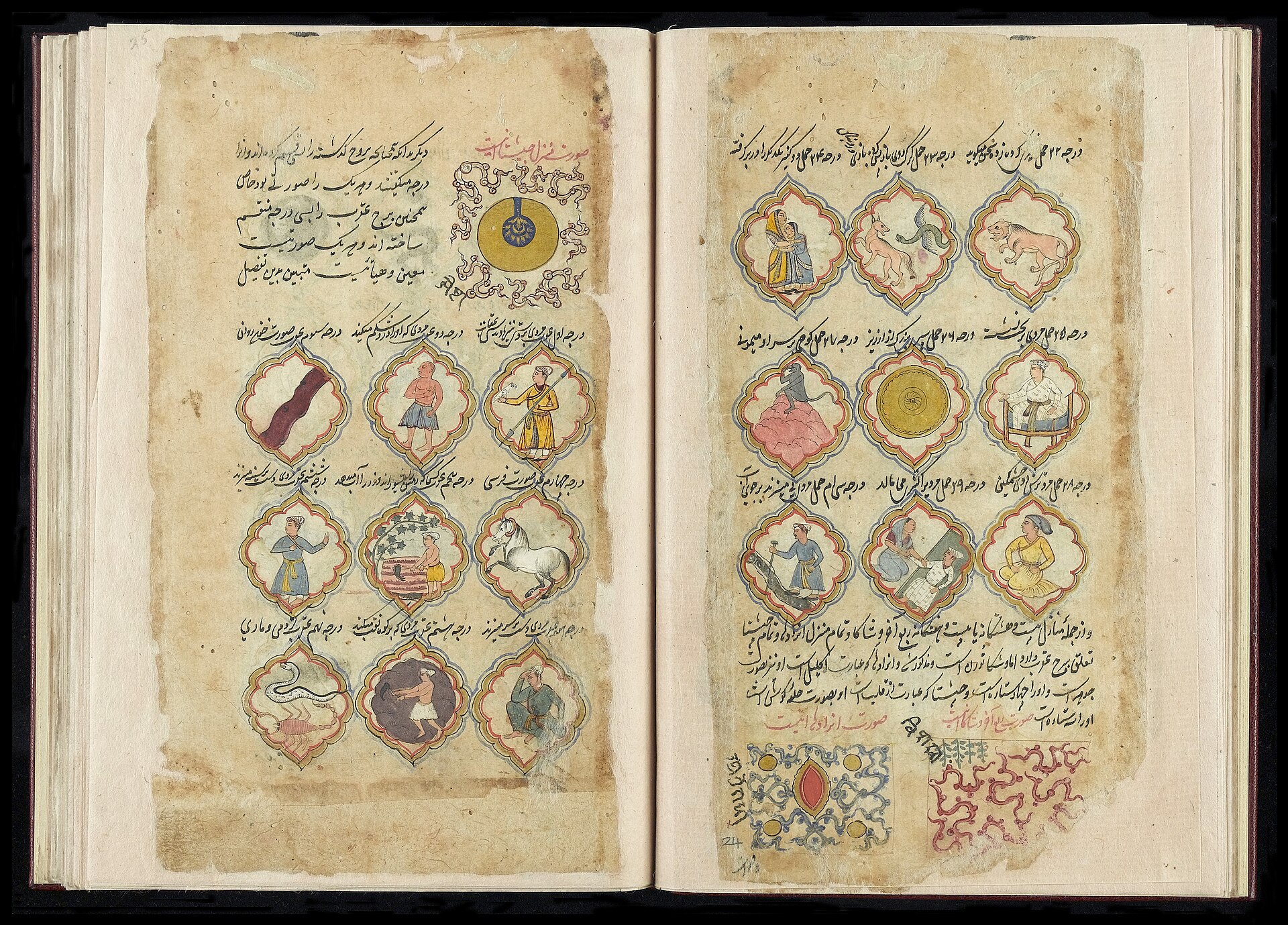
Modern Persian miniature art ideas represent an intentional design movement where classical Iranian pictorial traditions—originally codified in historic workshops across Isfahan and Tabriz—are reimagined for modern architectural interiors. By blending centuries-old fine-line brushwork and mineral opaque watercolor with expansive margins, restrained framing, and contemporary thematic concepts, these artworks offer homeowners a nuanced balance of heritage storytelling and refined decorative sophistication.
How Does Safavid Miniature Technique Inform Modern Home Decor?
Safavid miniature techniques inform modern home decor by contributing a layered spatial logic that flatters modern open-concept rooms. Developed during the 16th and 17th centuries under imperial patronage, the Safavid aesthetic departed from rigid horizontal registers, embracing swooping calligraphic curves, stacked perspective, and luminous gouache pigments. When installed against clean white plaster, deep charcoal, or wood-paneled feature walls, this historic style introduces a focal point of supreme delicacy that rewards close examination.
Unlike Western academic oil painting, which relies heavily on atmospheric perspective and chiaroscuro shadows, classical Persian miniatures celebrate planar clarity and radiant color saturation. Contemporary interior decorators appreciate this quality because the artwork reflects ambient light cleanly without competing with the soft furnishings around it. A single Safavid-inspired composition featuring courtly garden gatherings or poetic allegories can anchor a reading nook or dining room credenza with stately poise.
What Motifs Define Modern Persian Miniature Art Ideas?
The motifs that define modern Persian miniature art ideas revolve around epic literature, mythic zoology, and botanical arabesques. Artists drawing inspiration from classical texts like the Shahnameh (Book of Kings) often extract individual scenes—such as the righteous hero Siyavash passing unscathed through monumental walls of fire—and render them with heightened visual minimalism for today’s collector (VanArtHub).
- The Simurgh: The legendary benevolent avian beast representing spiritual enlightenment, divine healing, and the bridging of heaven and earth.
- Leopards and Royal Lions: Noble guardians portrayed in dynamic combat or regal repose, symbolizing courage, martial vigilance, and royal sovereignty.
- Fantastical Sea Beasts and Fish: Fluid marine compositions that symbolize primordial waters, creation, and cyclical renewal.
- Chinar (Plane Tree) Leaves and Arabesques: Intertwined vine work and stylized mountain crags that frame romantic dialogues and courtly leisure.
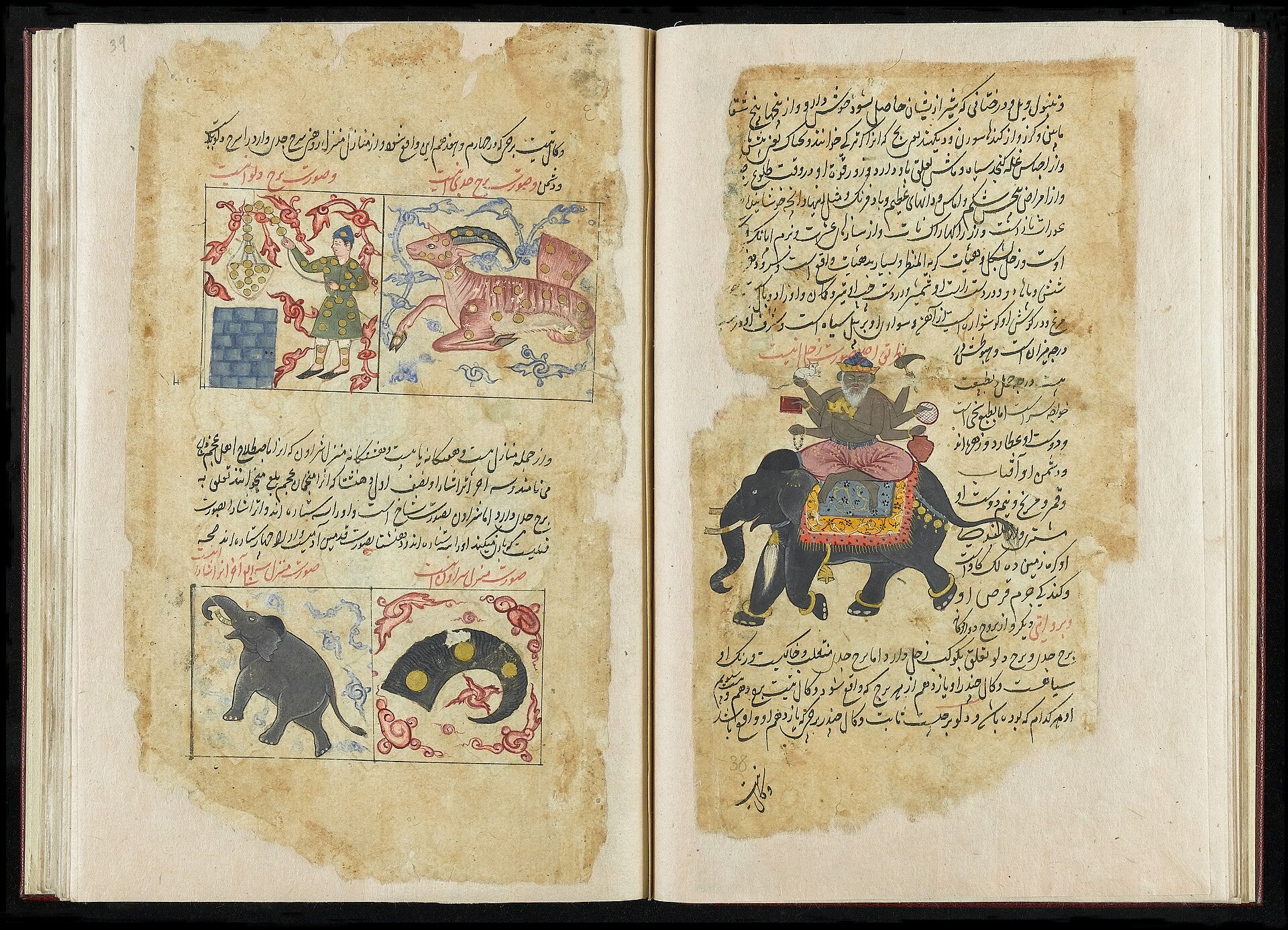
“Through close observation, drawing, and detailed painting, the visual language of creatures including simurghs, lions, leopards, and fantastical beasts bridges ancient Persian symbolism with contemporary artistic practice.”
How Are Contemporary Masters Reimagining the Persian Miniature?
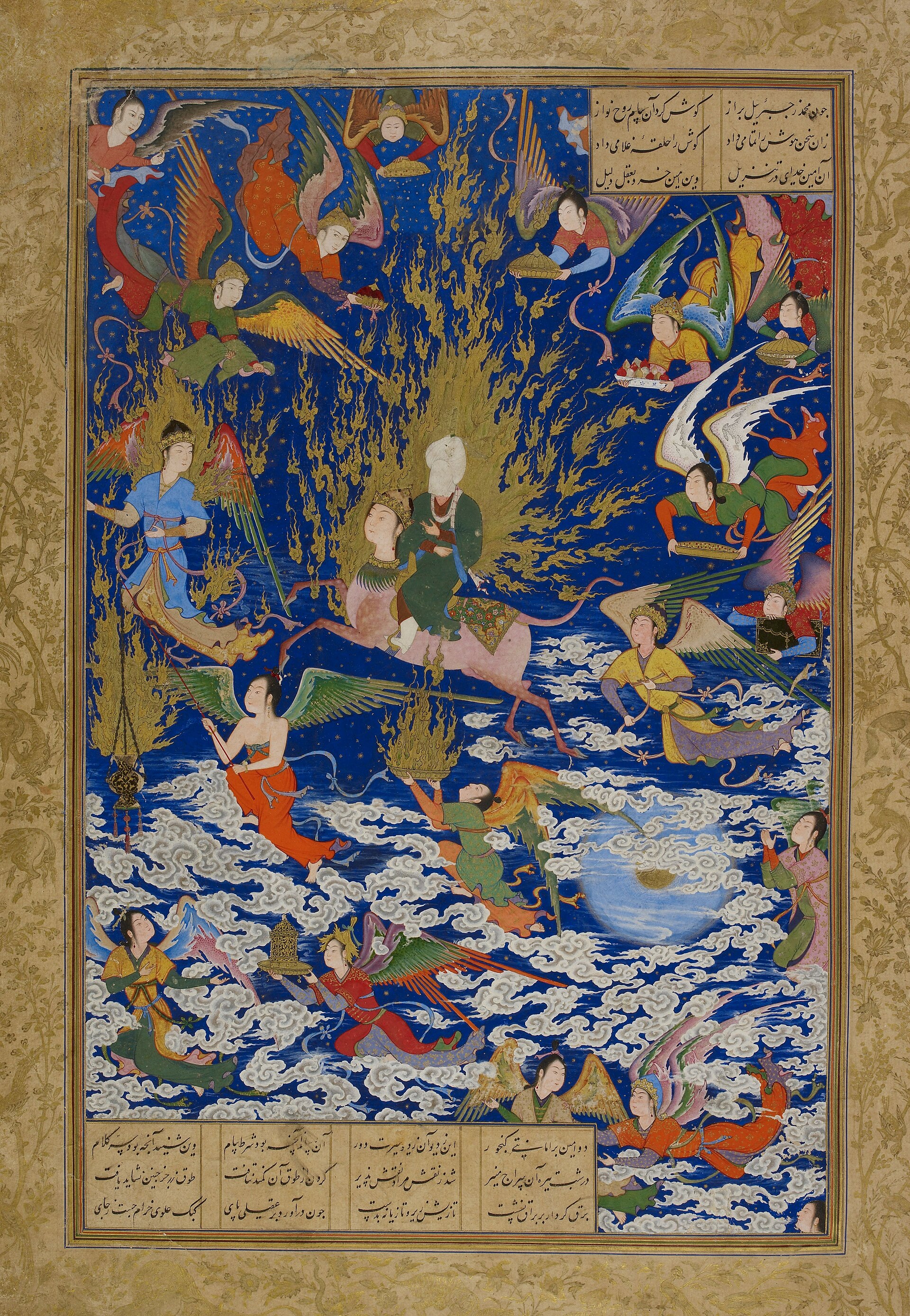
Contemporary masters are reimagining the Persian miniature by liberating the medium from the confines of leather-bound illuminated manuscripts and adapting its scale to global gallery architecture. The most influential pioneer of this 20th- and 21st-century resurgence was the late master Mahmoud Farshchian. Farshchian expanded the intimate page into large-format lyrical panoramas, utilizing sweeping, weightless figures and vibrant color blends that brought Iranian artistic heritage to world institutions, including exhibitions organized through UNESCO in Paris (Tehran Times).
Meanwhile, internationally renowned diasporic artist Shahzia Sikander, who studied miniature painting at the National College of Arts in Lahore, Pakistan, has revitalized the historical tradition across contemporary paintings, animations, mosaics, and glass sculpture (Sean Kelly Gallery). Her groundbreaking thesis work, The Scroll (1989–1990), demonstrated how miniature framing and fine line work can challenge modern gender politics, international diplomacy, and colonial history while honoring the rhythmic rigor of Islamic manuscript painting.
- Manuscript Origins
- 13th C.
- Sikander's Breakthrough
- 1989
- Farshchian Paris Retrospective
- 2026
- Traditional Intensive Study
- 6 Weeks
Centuries of documented illumination and narrative illustration
Creation of 'The Scroll', redefining miniature painting globally
Diplomatic and cultural celebration at UNESCO / Paris Cultural Office
King's Foundation beast and creature iconography syllabus
Which Materials and Techniques Distinguish Authentic Works?
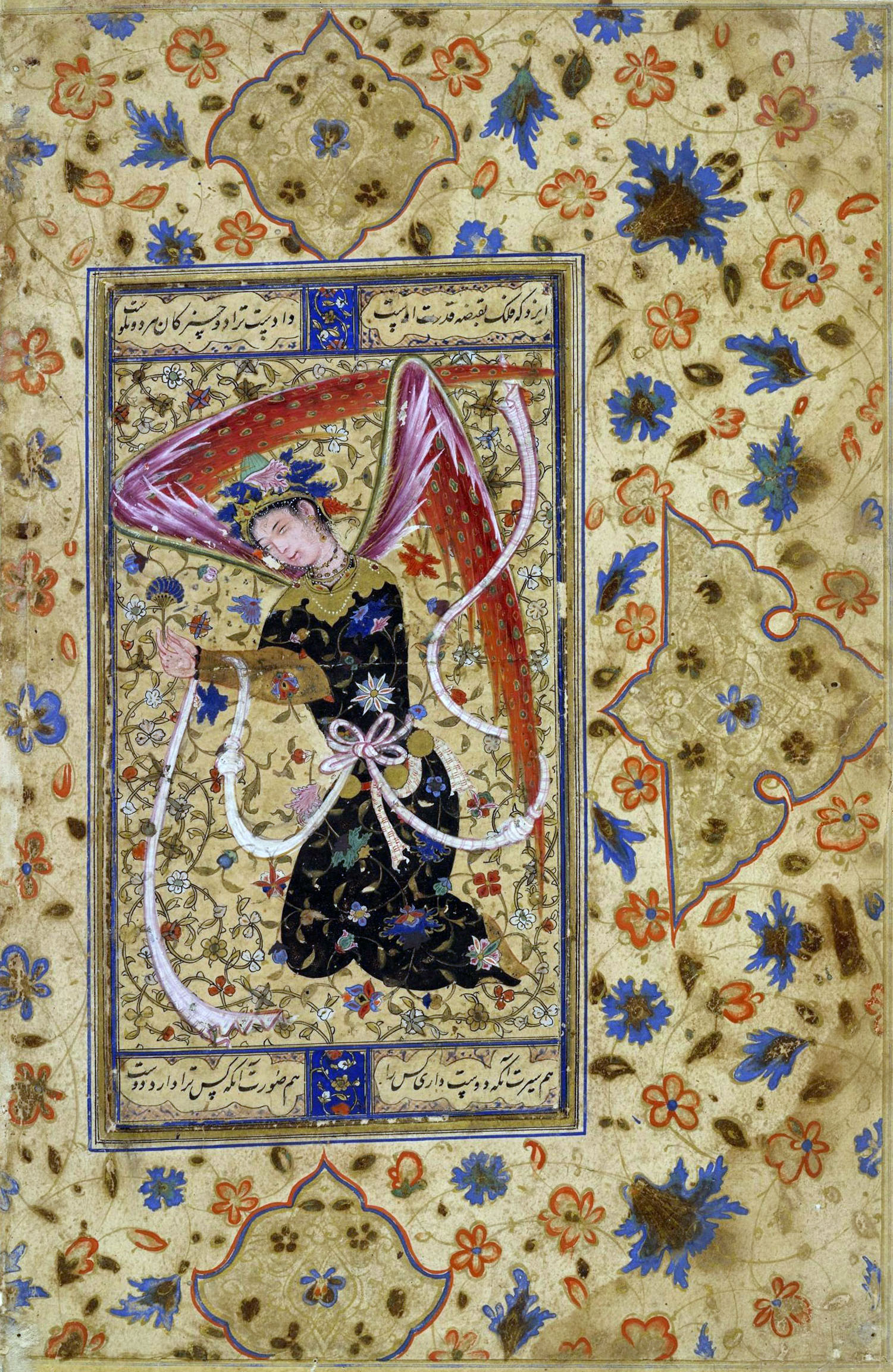
Authentic Persian miniature painting is distinguished by its meticulous application of natural pigments, gum arabic binders, and ultrafine brush manipulation. Traditional artists construct their imagery through painstaking layers of gouache (opaque watercolor) alongside pure gold illumination (tazhib). Brushes are historically crafted from individual squirrel or cat hairs to produce razor-sharp outlines known as pardakht—a delicate cross-hatching or stippling technique used to shade facial contours and drapery.
| Attribute | Classical Manuscript Painting (13th–17th C.) | Modern Miniature Decor (20th–21st C.) |
|---|---|---|
| Primary Context | Handbound poetry books, royal anthologies, albums (muraqqa) | Framed gallery walls, architectural installations, high-end interiors |
| Compositional Scale | Intimate book leaves (often 15x25 cm or smaller) | Expanded medium-to-large single sheets, triptychs, and canvases |
| Narrative Content | Strict textual illustration of Firdausi, Nizami, or Hafez verses | Universal spiritual themes, diaspora identity, abstract symbolism |
| Spatial Treatment | Vertical registers, flattened aerial perspectives, multi-room cutaways | Dynamic curvilinear flow, isolated negative space, cinematic angles |
| Medium Integration | Ink and opaque watercolor on treated rag paper | Opaque watercolor, archival printmaking, digital projection, glass mosaics |
The King's Foundation Approach to Beast and Bird Symbolism
Educational institutions such as The King’s Foundation School of Traditional Arts continue to train contemporary artists in this disciplined visual language. In courses taught by specialists like Yasmin Hayat, practitioners examine the intricate iconography of creatures—from soaring simurghs to elusive leopards and fantastical marine life—learning how masters achieved spiritual resonance through close observational drawing and exact pigment grinding (School of Traditional Arts).
| name | value |
|---|---|
| Mythic Beasts & Birds (Simurgh, Lion) | 35 |
| Heroic Epics (Shahnameh Legends) | 25 |
| Lyrical Allegories (Farshchian Style) | 20 |
| Modern Political & Diasporic Themes | 12 |
| Pure Floral & Geometric Tazhib | 8 |
Where Can Collectors Acquire and Verify Modern Persian Miniatures?
Acquiring authentic modern Persian miniatures requires engaging with specialized platforms and reputable galleries committed to provenance and artistic documentation. Online collector portals such as VanArtHub provide curated selections of signed original paintings accompanied by formal Certificates of Authenticity, alongside artificial-intelligence room visualization tools that let buyers preview a painting directly on their living room wall before purchasing (VanArtHub).
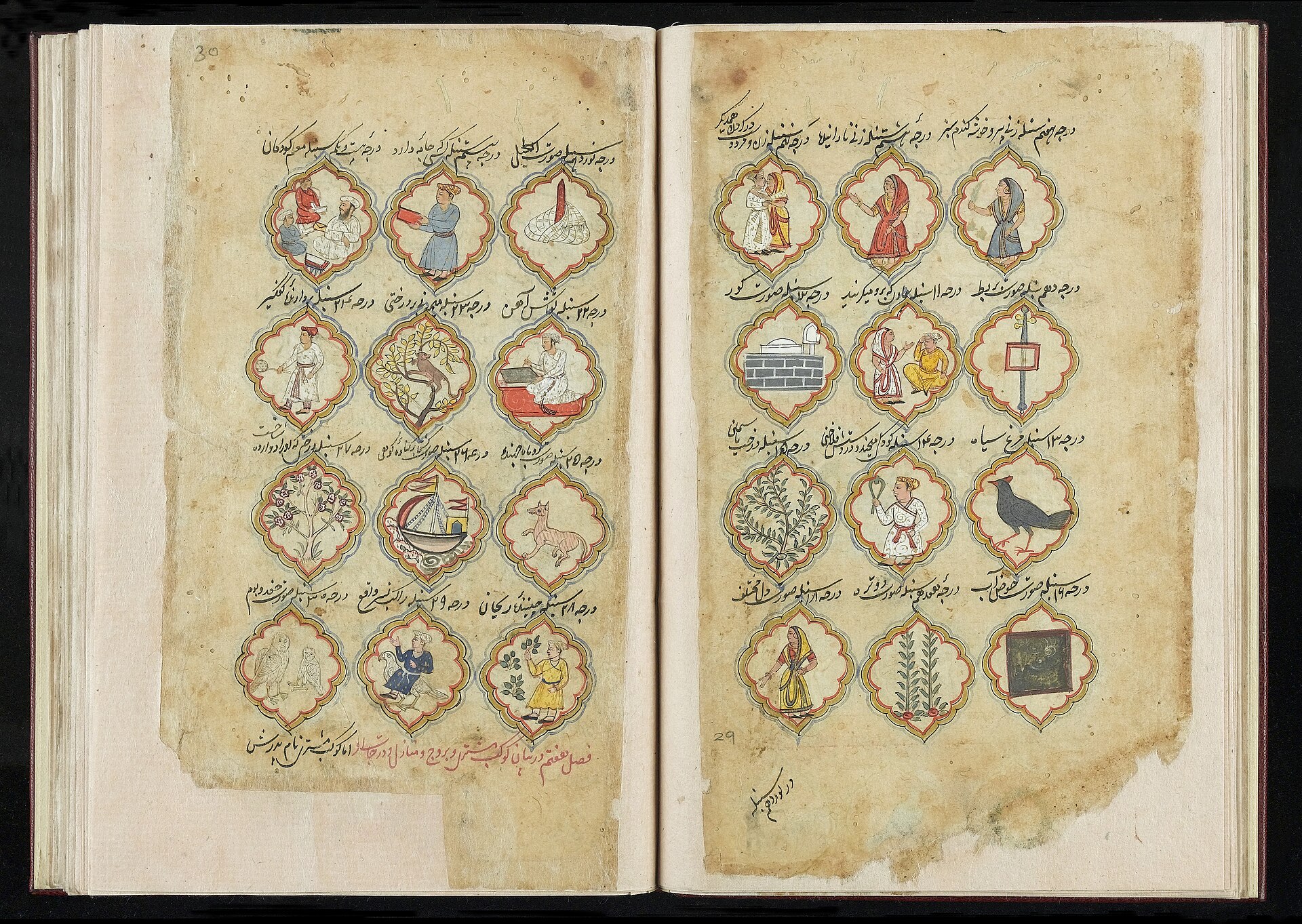
Similarly, organizations like MojArt, located in San Diego, California, serve as dynamic cultural platforms dedicated to elevating Middle Eastern artists and introducing collectors to cutting-edge interpretations of thousand-year-old storytelling techniques (MojArt). Whether purchasing works by established masters or rising academy graduates, verification of the artist's signature, pigment stability, and substrate quality remains essential.
- Confirm the presence of a legitimate Certificate of Authenticity issued by an accredited gallery or the artist's studio.
- Check for hand-signed signatures and workshop seals embedded in the image margins or on the reverse backing.
- Verify substrate details: high-grade handmade rag paper, vellum, or acid-free watercolor board resist warping over time.
- Inspect pigment condition: authentic mineral gouache should show velvety matte opacity without flaky crackle.
- Ensure shipment includes insured, rigid flat-packing to prevent surface creases in delicate miniature papers.
How Can You Curate Persian Miniatures Across Diverse Interior Styles?
Curating Persian miniatures across diverse interior styles is surprisingly intuitive due to the balanced color palette and calligraphic rhythm intrinsic to the craft. Rather than confining these masterpieces to explicitly Middle Eastern interiors, forward-thinking designers use them as unexpected accent pieces in Scandinavian, Mid-Century Modern, and European eclectic rooms.
| Interior Design Style | Recommended Palette Accent | Ideal Miniature Subject | Framing Recommendation |
|---|---|---|---|
| Warm Minimalist | Ochre, burnt sienna, ivory | Solitary leopard, calligraphic steed, or subtle botanical study | Ultra-thin natural oak frame with wide white archival mat |
| Mid-Century Modern | Lapis lazuli, malachite green, gold | Lyrical Farshchian-style dynamic human figures or allegories | Polished brass frame with subtle recessed reveal |
| Maximalist & Eclectic | Ruby red, saffron, turquoise | Complex Shahnameh battle scenes or Siyavash fire trial compositions | Dark walnut frame with silk fabric mat liner |
| Urban Industrial | Carbon black, burnished copper | Contemporary diasporic compositions with geometric and modern iconography | Matte black aluminum floating box frame |
“Animators of visual histories propose new narratives that cross time and place, considering relations between the global south and wider Islamic world through contemporary perspectives.”
- Select a Thematic Anchor: Choose a unifying narrative, such as Persian mystical fauna (simurghs, gazelles, falcons) or epic chivalric literature.
- Vary Frame Proportions: Combine one primary hero piece (30x40 cm) with two or three smaller accent studies (12x18 cm) for dynamic visual weight.
- Establish Consistent Spacing: Maintain an exact 2-inch to 2.5-inch distance between frames to honor the structured geometry of Islamic artistic layout.
- Install Directional Lighting: Use low-heat, high-CRI (95+) LED picture lights calibrated to 2700K–3000K to illuminate genuine gold leaf without thermal stress.
Frequently Asked Questions About Modern Persian Miniature Art
- What makes an artwork a true Persian miniature?
- A true Persian miniature is defined by fine-line draftsmanship, the absence of cast shadows, vibrant opaque mineral watercolors, and layered spatial perspective. Rooted in manuscript illustration from the 13th century onward, it prioritizes expressive narrative storytelling and calligraphic precision over Western photorealism.
- Who was Mahmoud Farshchian and why is he important?
- Master Mahmoud Farshchian was Iran's most celebrated modern miniature painter, famed for modernizing the craft with flowing, fluid lines and emotional dynamism. His works, celebrated at major diplomatic exhibitions in Paris and across UNESCO platforms, elevated traditional Persian miniature themes to global contemporary recognition.
- How do modern artists adapt historical miniature techniques?
- Modern painters retain meticulous single-hair brush techniques, mineral gouache, and gold illumination, but apply them to larger substrates, abstract compositions, and socially urgent themes. Diaspora pioneers like Shahzia Sikander merge traditional South Asian and Islamic miniature practice with digital media and installations.
- Can Persian miniatures be hung in contemporary minimalist homes?
- Yes. When framed in understated timber or matte metal with generous white or neutral linen mats, Persian miniatures provide a striking, jewel-toned focal point. Their high visual density creates an engaging contrast against unadorned walls and minimalist mid-century or modern architecture.
- How do I ensure a Persian miniature painting is authentic?
- Always purchase from reputable galleries or art dealers that provide signed certificates of authenticity, artist biographies, and clear documentation. Original works feature hand-applied gouache and gold leaf on rag paper, displaying natural matte texture and delicate brushwork under close magnification.
- What is the best way to light and protect a miniature at home?
- Protect miniature paintings by framing them behind UV-filtering conservation glass and keeping them away from direct sunlight or damp rooms. Illuminate them with low-heat, high-CRI LED fixtures to reveal metallic gold details and vibrant pigments safely without causing thermal fading.
Sources
- [1]Persian Painting: A Collector's Guide· VanArtHub
- [2]Inspired by Persian Miniatures: Beasts, Birds, & Fantastic Creatures· The King's Foundation School of Traditional Arts
- [3]Exhibition of Farshchian’s works underway in Paris· Tehran Times
- [4]Shahzia Sikander - Artists· Sean Kelly Gallery
- [5]Persian Miniature Painting: A Thousand Years of Storytelling· MojArt