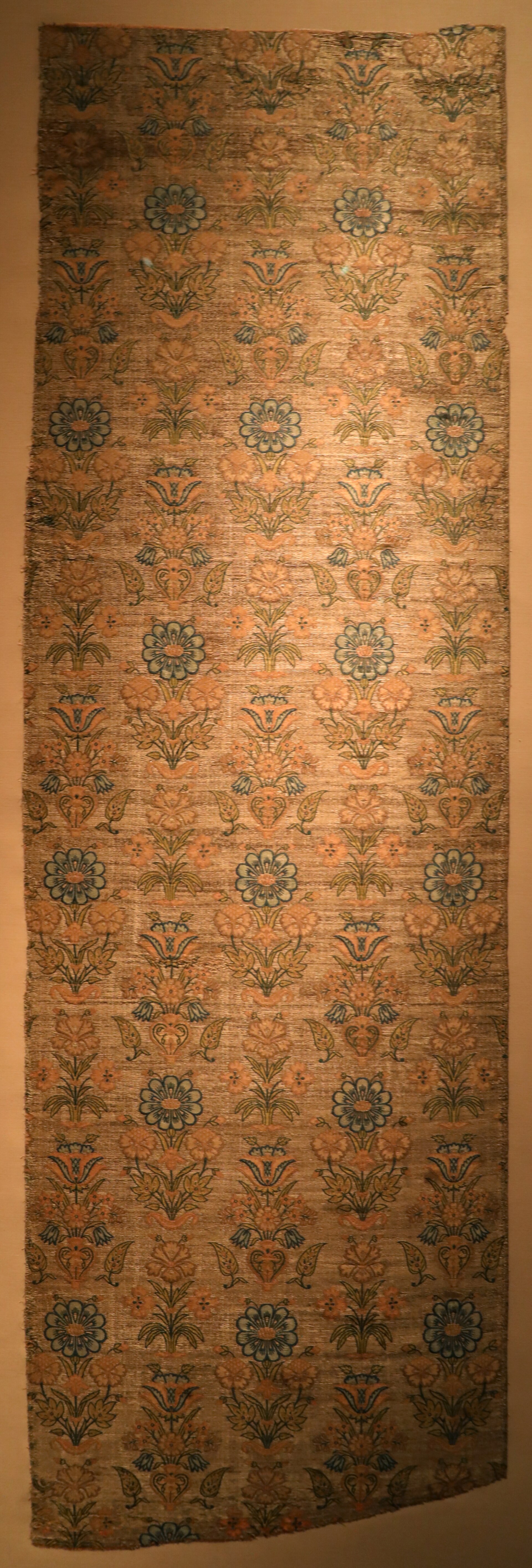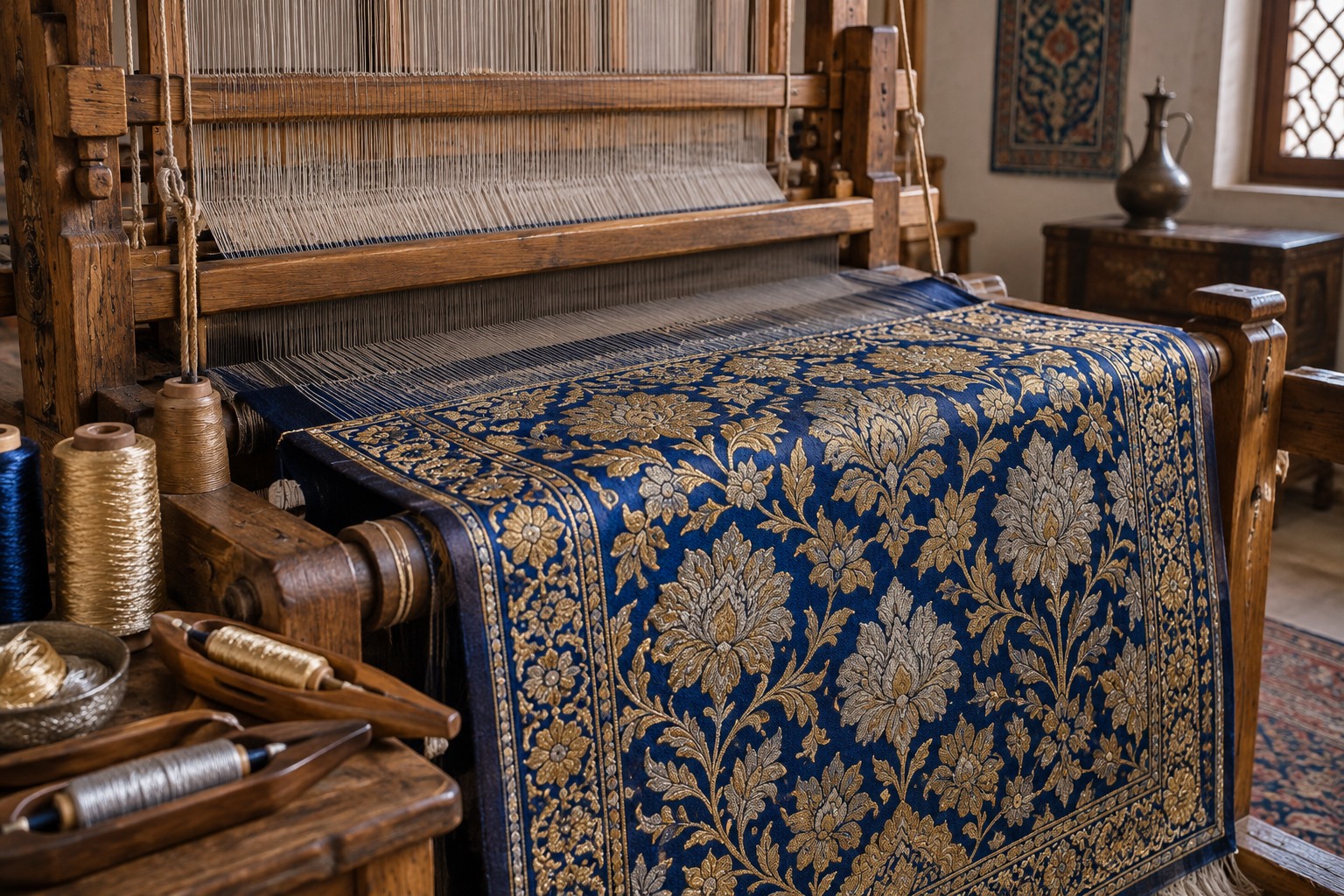
Zari-brocade silk, known traditionally as Zari-bafi, is a sophisticated Persian textile technique where silk fibers are woven alongside Golabatoon—a specialized thread made by wrapping gold or silver foil around a silk core. This high-status fabric emerged as a symbol of the Safavid dynasty's opulence, particularly within the workshops of Isfahan, where it was utilized to create aristocratic garments adorned with silver buttons and intricate floral designs.
What is Zari-Brocade Silk and How is it Made?
At its essence, Zari-brocade is not merely a fabric but a fusion of metallurgy and textile arts. The process begins with the creation of Golabatoon. This requires immense skill, as artisans must stretch precious metals into incredibly thin wires or ribbons to be wound around a silk thread. The resulting metallic yarn is then woven into a silk base, creating a 3D effect that catches the light from every angle. Historically, Isfahan served as the central hub for this production, supplying the royal court with fabrics that were as durable as they were beautiful.
The Golden Age of Isfahan and Safavid Textiles
The Safavid era (1501–1736) transformed Iran into a global center for textile excellence. Under the patronage of Shahs, weavers in cities like Isfahan and Kashan refined the Zari technique to include complex narratives, including hunting scenes and botanical motifs. The use of Golabatoon was not just decorative; it was a display of the empire's wealth and its mastery over the silk routes.
- Integration of pure silk for the warp and weft.
- Extensive use of Golabatoon (gold and silver wrapped threads).
- Accents of silver buttons for functional and aesthetic closures.
- Motifs inspired by Persian gardens, including roses and nightingales.
- High thread density ensuring a stiff yet elegant drape.
“This Zari-brocade garment, crafted with silk and Golabatoon, stands as a valuable example of the aristocratic clothing of Safavid Isfahan.”
Which Dynasties Influenced the Evolution of Zari?
While the Safavid period is most famous for its intricate designs, the roots of Zari-bafi go back to the Achaemenid and Sassanid empires. However, it was the specific combination of silk, Golabatoon, and silver buttons that defined the luxury of the Isfahan court. The transition from the Sassanid heavy silks to the delicate Safavid brocades mirrors the broader shift in Persian art toward floral refinement and poetic expression.
| Era | Primary Material | Defining Feature | Prominent Center |
|---|---|---|---|
| Sassanid | Heavy Silk | Pearled Roundels | Ctesiphon |
| Safavid | Silk & Golabatoon | Silver Buttons & Florals | Isfahan |
| Qajar | Silk Brocade | Boteh (Paisley) Patterns | Tehran / Yazd |
| Modern | Synthetic & Metal | Heritage Revival | Isfahan / Yazd |
The Role of Golabatoon in Luxury Wear
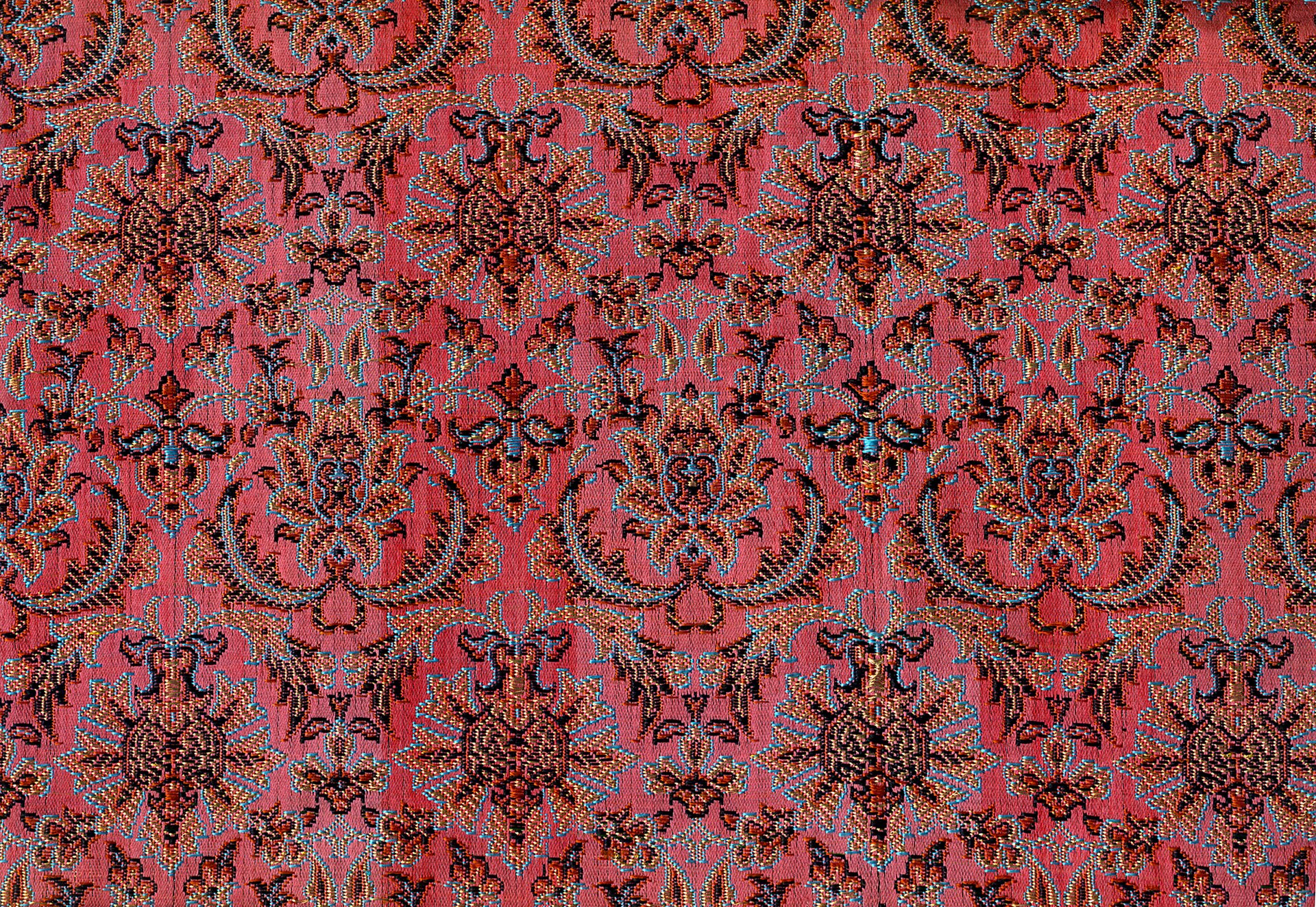
The term Golabatoon refers specifically to the metal-thread technology. Unlike modern metallic threads which may use plastics, authentic Zari uses precious metals. In the Safavid workshops, this meant using silver or gold, which provided a weight and luster that defined the aristocratic clothing of the time. This material allowed the clothing to shine even in the dim light of palace halls, reflecting the status of the wearer.
- Gold Purity
- 18k-24k
- Silk Origin
- Caspian
- Silver Buttons
- 92.5%
Used in royal Golabatoon
Gilan and Mazandaran regions
Standard for Safavid closures
How Does Zari-Bafi Differ from Other Silk Textiles?
Distinguishing Zari from standard Termeh or plain silk involves looking at the weft. In Zari-bafi, the metallic thread is supplementary, meaning it is added to create the pattern rather than forming the structure of the cloth. This allows for the high-contrast gold and silver visuals seen in Isfahan masterpieces. The presence of silver buttons on completed tunics often indicates a piece designed specifically for the Safavid nobility.
Preserving the Heritage: Zari-Bafi Today
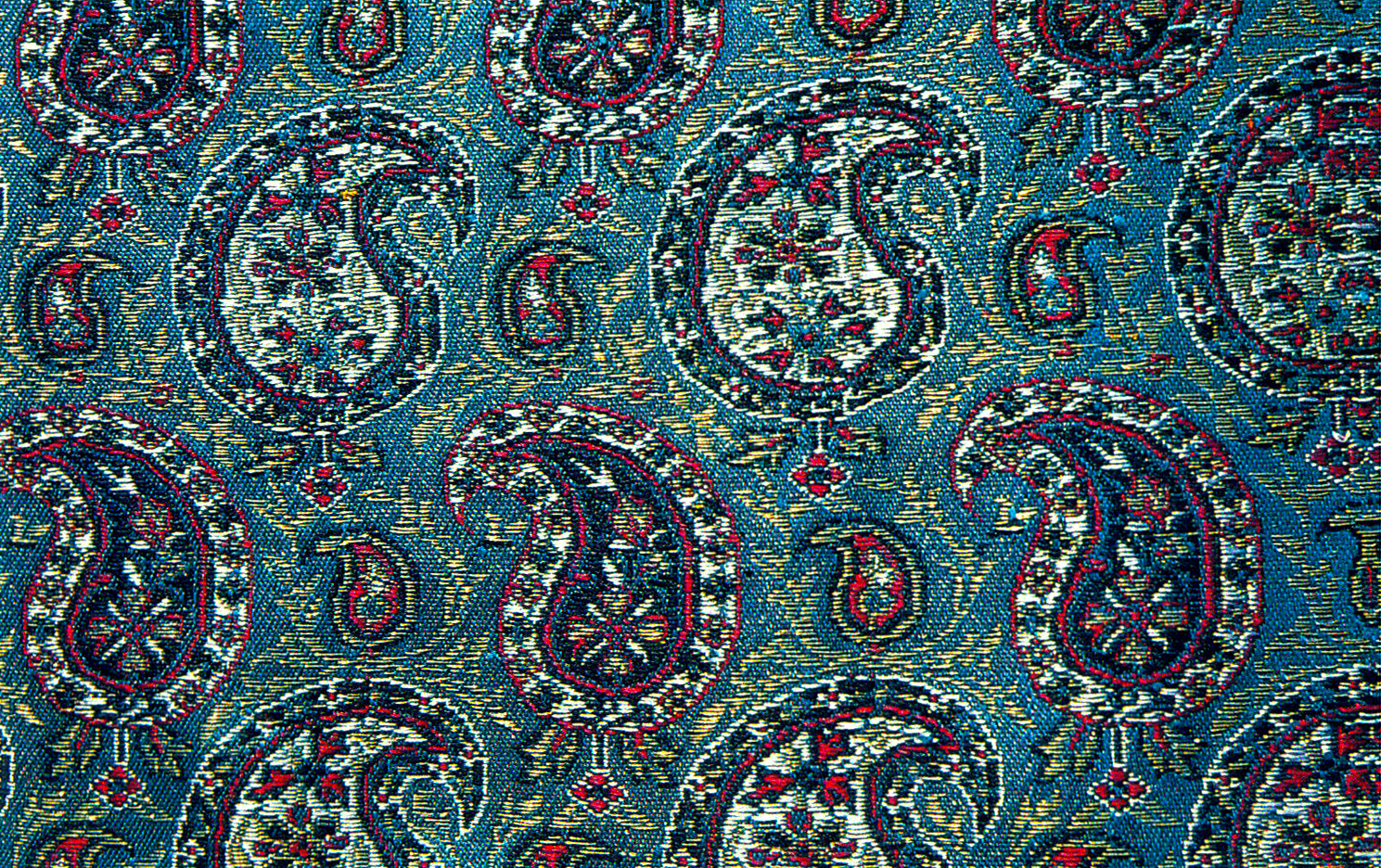
Today, the art of Zari-bafi is preserved by a small number of master artisans in Isfahan and Yazd. These craftsmen continue to use traditional hand-looms (Dastgah) to produce fabrics that rival the Safavid originals. While the demand for such expensive clothing has shifted to the art collector market, the fundamental techniques—using silk, Golabatoon, and fine metalwork—remain unchanged from the descriptions found in historical archives.
- Preventing the silk fibers from becoming brittle over centuries.
- Managing the tarnishing of silver buttons and Golabatoon.
- Protecting natural dyes from UV light degradation.
- Maintaining the structural integrity of heavy metallic weaves.
- Documenting the specific loom settings used in the Safavid era.
The Significance of Floral Motifs
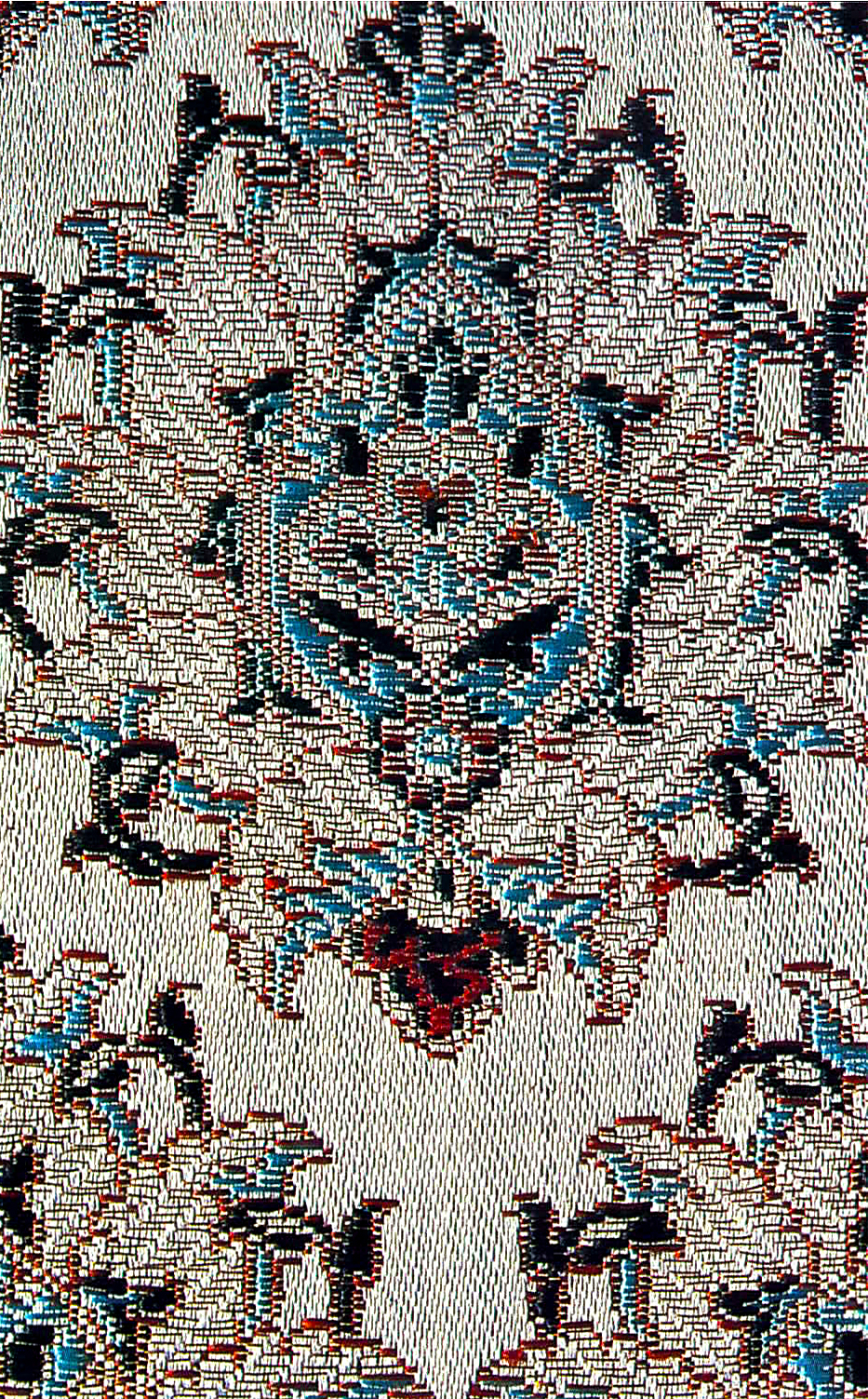
In Safavid Isfahan, the choice of patterns on Zari-brocade silk was deeply symbolic. The Gol-o-Morgh (flower and bird) motif represented the soul's yearning for the divine, while the use of gold and silver reflected the light of heaven. These garments were not just clothing; they were wearable art that communicated the philosophical and aesthetic values of Persian culture.
| Feature | Safavid Zari | Modern Hand-woven Zari |
|---|---|---|
| Metal Core | Pure Silk Thread | Silk or Cotton Blend |
| Metal Type | Real Gold/Silver Foil | Gold-plated Copper or Lurex |
| Closures | Hand-cast Silver Buttons | Contemporary Buttons |
| Dye Source | Natural (Indigo, Madder) | Mixed (Natural & Chemical) |
“The presence of silk and silver-wrought threads in these garments highlights the extraordinary wealth and artistic focus of the Isfahan court.”
Frequently Asked Questions About Zari-Brocade
- What is Golabatoon in Persian weaving?
- Golabatoon is a luxury thread used in Zari-bafi, made by wrapping extremely thin strips of gold or silver around a silk core. It is the defining element of Persian brocade, giving the fabric its characteristic weight, shimmer, and aristocratic appeal, particularly in Safavid-era garments from Isfahan.
- Why were silver buttons used on Safavid Zari clothing?
- Silver buttons served as both functional closures and decorative symbols of wealth. In Safavid Isfahan, these buttons complemented the gold and silver Golabatoon threads woven into the silk, completing a full ensemble that signaled the wearer's high social status and aristocratic rank.
- Which city is the historical center of Zari-brocade?
- Isfahan is the primary historical center for Zari-brocade, especially during the Safavid dynasty. The city hosted royal workshops where master weavers and metallurgists collaborated to create the world's finest silk-and-metal textiles for the Persian court and international trade.
- Is Zari-bafi still practiced in Iran today?
- Yes, Zari-bafi is still practiced by a select group of master craftsmen in Isfahan, Yazd, and Tehran. While it is now an endangered craft due to the high cost of materials like silk and gold, government-backed workshops and private ateliers continue to produce these fabrics for museums and collectors.
- What makes Safavid-era Zari so valuable to collectors?
- Safavid-era Zari is valued for its unparalleled craftsmanship, the purity of its gold and silver threads, and its historical significance. These pieces are rare examples of the peak of Persian textile art, often featuring complex floral motifs and unique hardware like silver buttons.