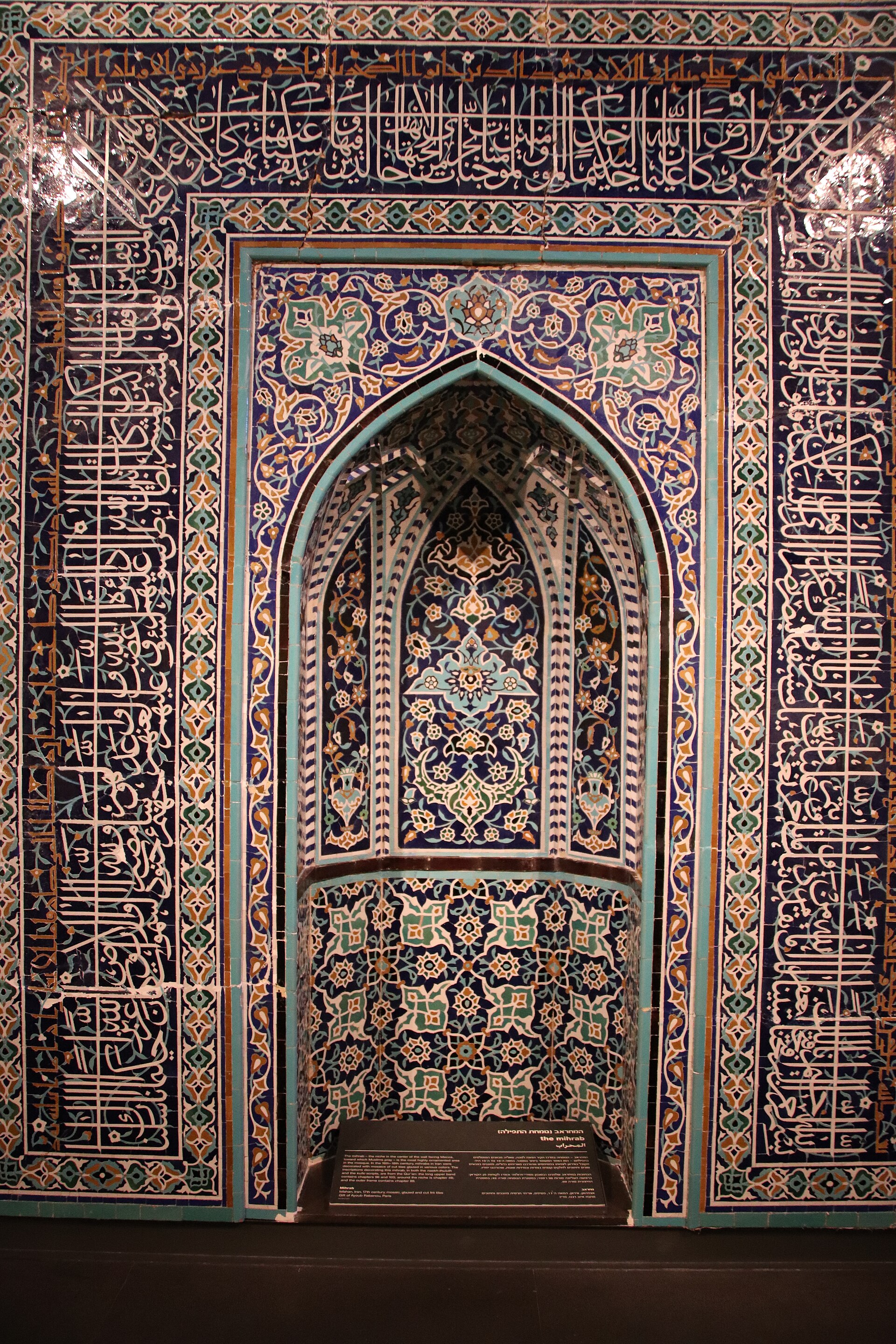
Persian mosque architecture is a distinctive school of Islamic design characterized by its use of the four-iwan layout, pointed arches, and elaborate tile mosaic work that integrates mathematics with spirituality. Emerging most prominently during the Safavid dynasty, these structures—such as the Shah Mosque in Isfahan—utilize turquoise and cobalt pigments to reflect the sky, creating a bridge between the material world and the divine. The architecture is defined by its grand domes, towering minarets, and the meticulous orientation toward Mecca, often achieved through clever transitional angles in the entrance portals.
The Evolutionary Legacy of the Four-Iwan Style
The Jameh Mosque of Isfahan stands as a living museum of architectural evolution, having been built and modified over centuries. Its most significant contribution to the world of art is the four-iwan architectural style. An iwan is a rectangular hall or space, usually vaulted, walled on three sides, with one end entirely open. In the Persian tradition, placing four of these around a central courtyard became the blueprint for mosques across the Islamic world.
This four-iwan arrangement is not merely aesthetic; it serves a social and climatic function. The open courtyards provide ventilation and a gathering space, while the shaded iwans offer respite from the harsh Iranian sun. The Jameh Mosque of Ardestan illustrates how this style was refined to create a sense of monumental scale even in smaller desert cities.
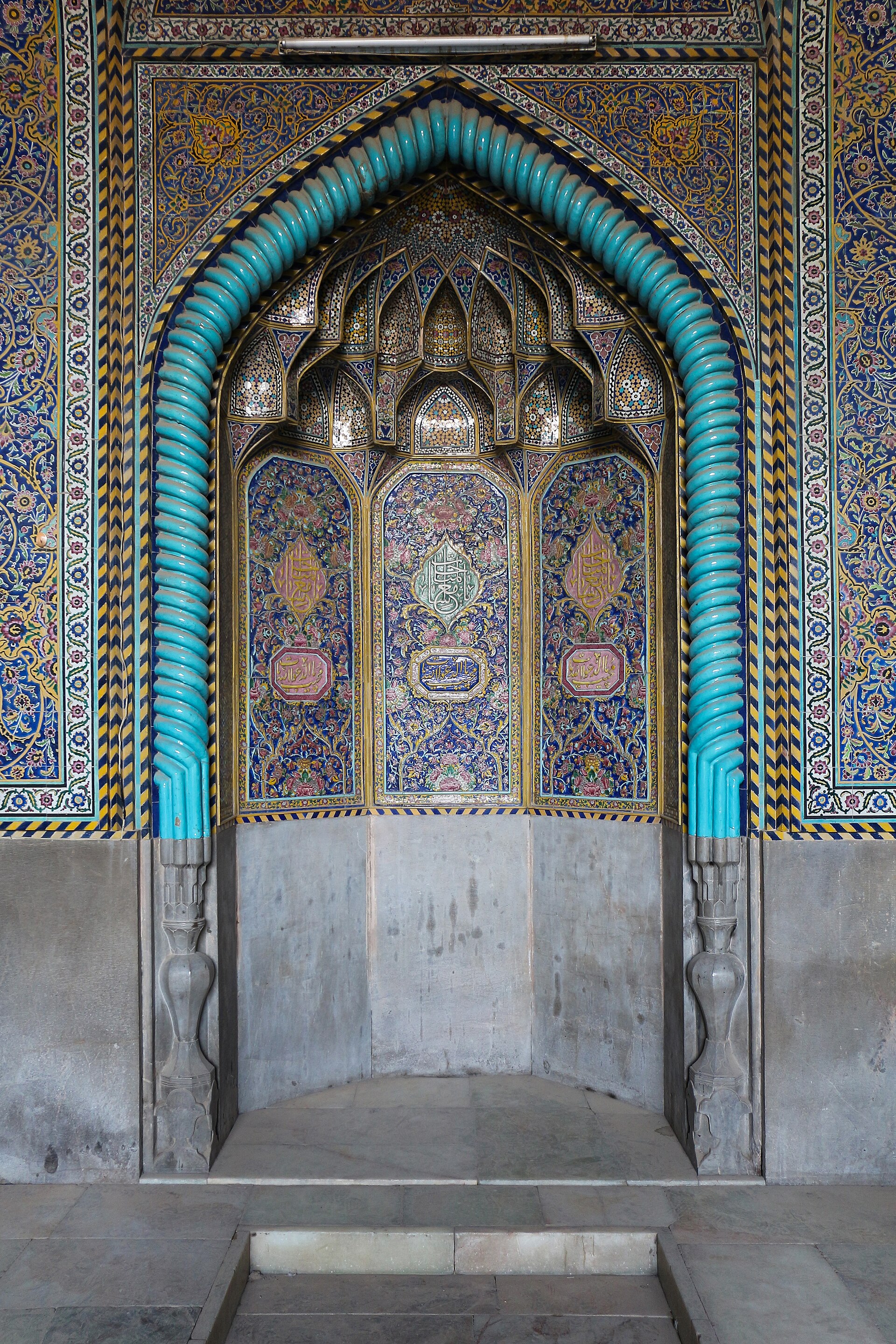
- Mihrab: A prayer niche in the wall indicating the direction of Mecca, often adorned with Qur'anic verses.
- Minarets: Tall, slender towers used for the call to prayer, typically appearing in pairs in Persian design.
- Muqarnas: Ornamental honeycombed vaulting used in domes and portals.
- Haft-Rangi: The 'seven-color' tile technique that allows for intricate floral and geometric patterns.
- Qibla Alignment: Structural adjustments that ensure the interior faces Mecca, regardless of the street orientation.
What defines the Safavid style in Isfahan?
The Safavid dynasty marked the golden age of Persian architecture, with the Shah Mosque (also known as the Masjed-e Shah) serving as its crowning achievement. Completed in the 17th century, the mosque is celebrated for its harmonious blend of Islamic and Persian design elements. One of its most remarkable features is the kaleidoscope-like ceilings that draw the eye upward, mimicking the infinite nature of the heavens.
“The Shah Mosque stands as a masterpiece of Persian architecture, celebrated for its mesmerizing, kaleidoscope-like ceilings.”
Architects under Shah Abbas I solved a unique urban planning challenge when building the mosque at the Naqsh-e Jahan Square. The square was not aligned with Mecca; however, the mosque's entrance portal leads into a corridor that subtly turns 45 degrees, perfectly aligning the main sanctuary with the qibla while maintaining the aesthetic symmetry of the public square.
| Mosque Name | Location | Key Feature | Historical Period |
|---|---|---|---|
| Shah Mosque | Isfahan | 7-Color Tiling & Qibla Alignment | Safavid (17th Century) |
| Blue Mosque | Tabriz | Turquoise Mosaics & Natural Light | Aqqoyunlu (15th Century) |
| Jameh Mosque | Ardestan | Four-Iwan Prototype | Seljuk/Early Islamic |
| Jameh Mosque | Isfahan | Architectural Evolution (8th-20th c.) | Multi-Dynastic |
The Azure Poetry of the Blue Mosque in Tabriz
Moving northwest to Tabriz, the Blue Mosque (Masjed-e Kabud) offers a different atmosphere. Begun in 1465 under the order of Jahan Shah, it was completed during the reign of the Aqqoyunlu ruler Uzun Hasan. While the exterior has suffered damage over the centuries, the remaining turquoise tile work in the interior remains a pinnacle of ceramic art.
- Construction Start
- 1465
- Entry Fee
- 200k Rials
- Visit Duration
- 1-1.5 Hours
Ordered by Jahan Shah
Approx. $0.50 USD
Recommended for full appreciation
The Spiritual Significance of Mosque Mihrabs
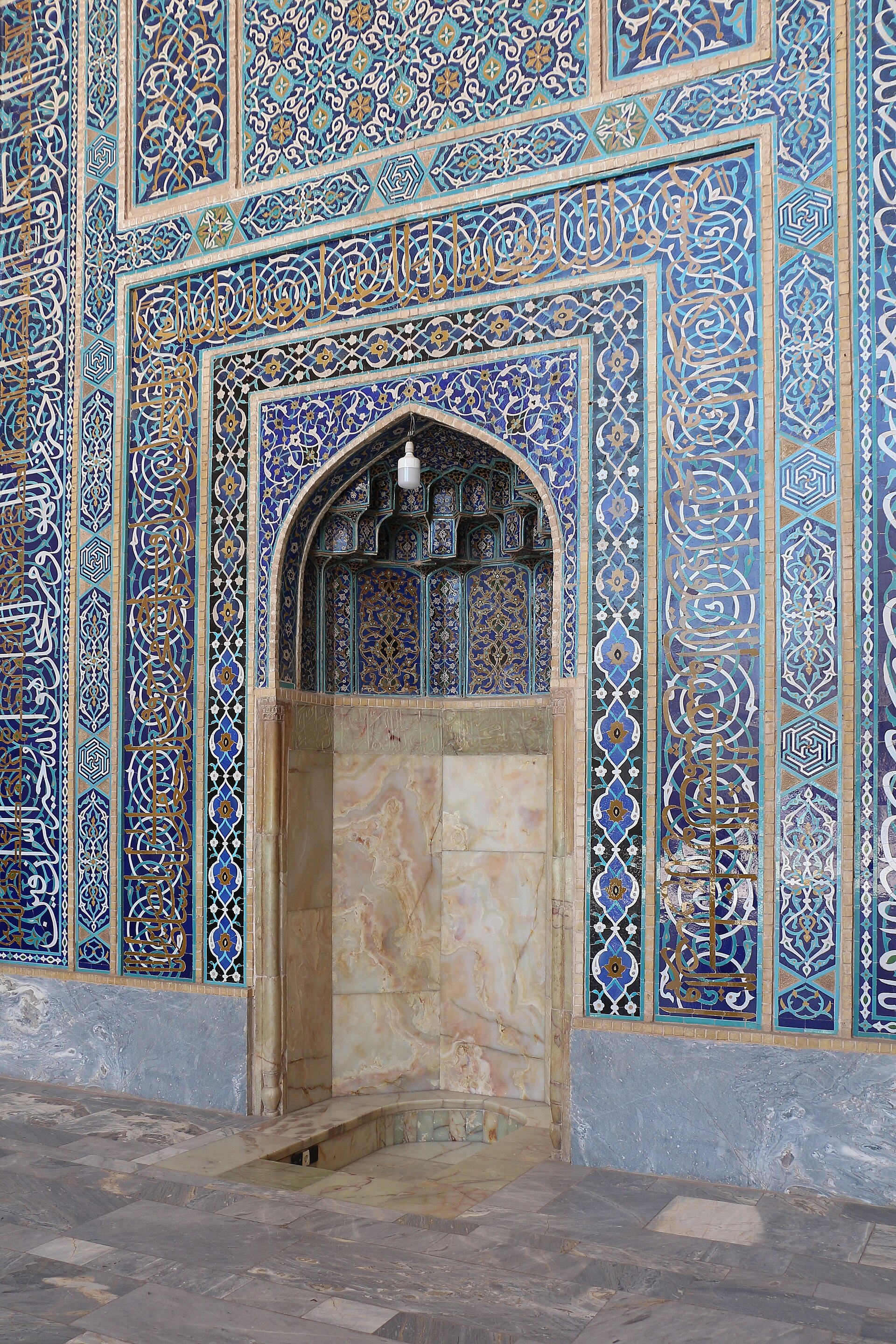
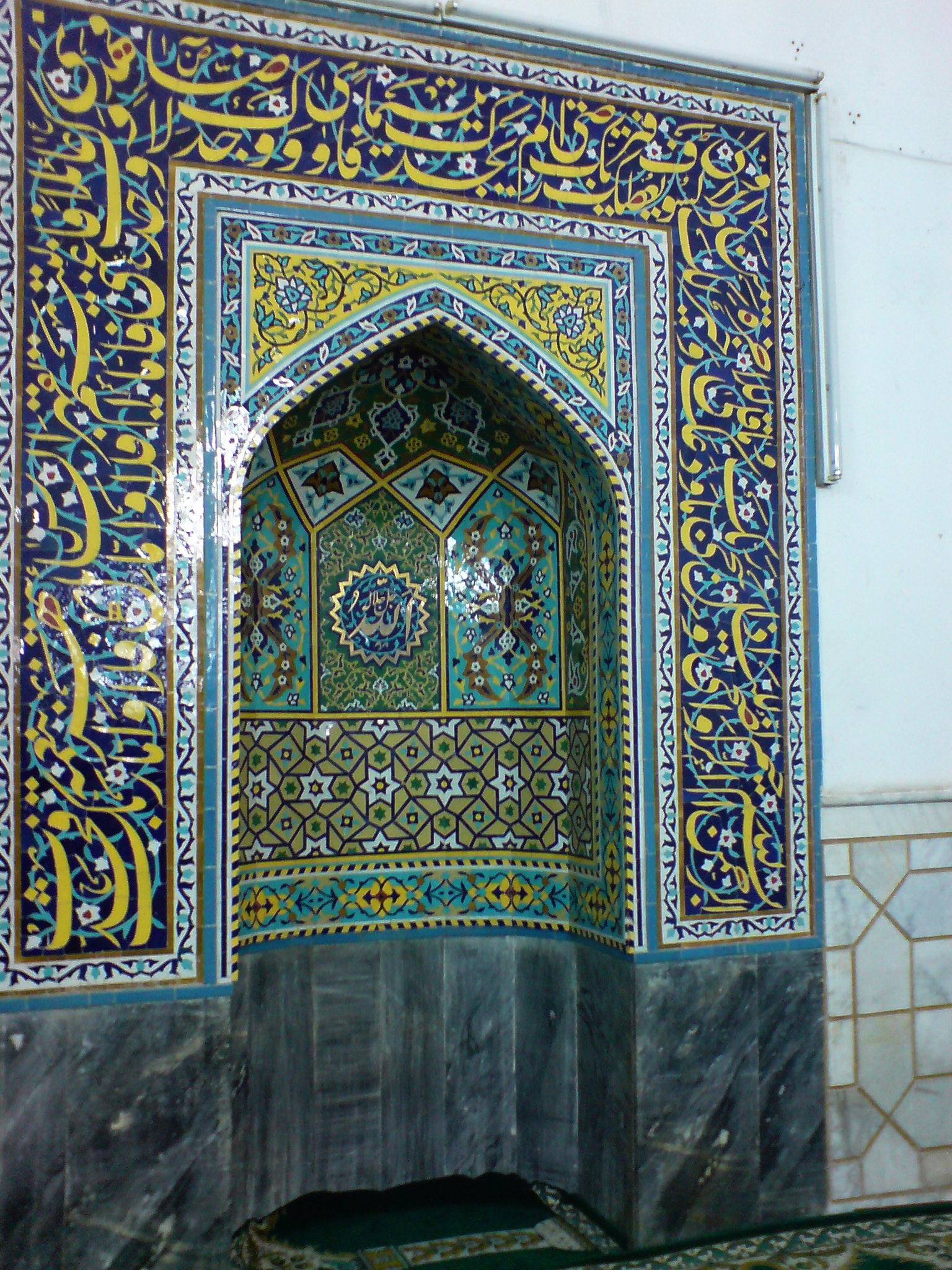
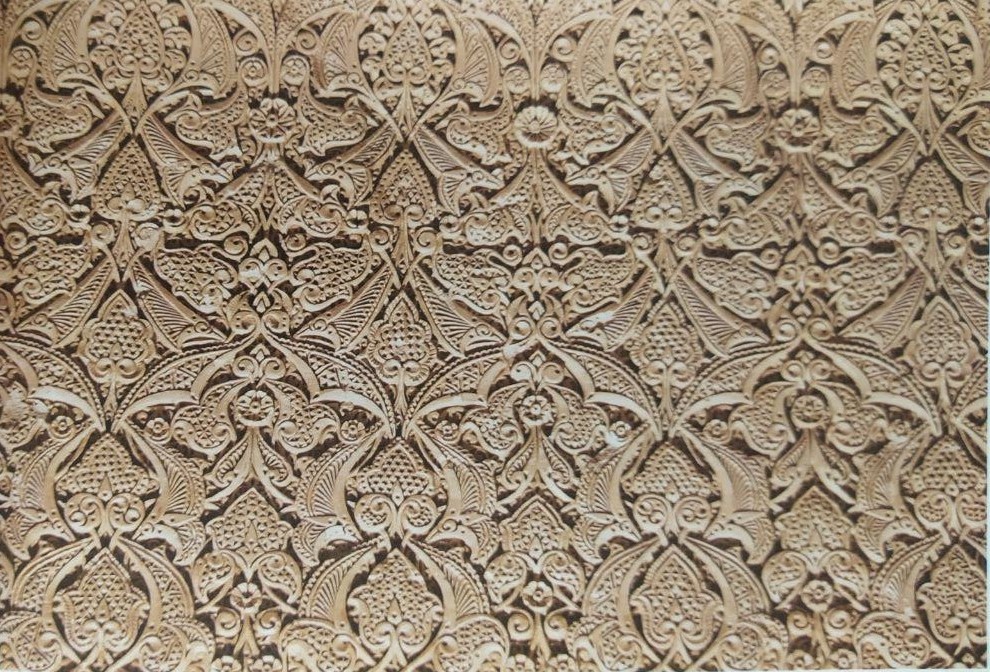
The mihrab is perhaps the most focused point of artistic expression within any Persian mosque. It is not just a structural niche; it is a canvas for Qur'anic verses and complex geometry that offers both aesthetic and spiritual depth. In Iranian mosques, these are frequently executed in lustered ceramic or intricate stucco, serving as a visual focal point for the faithful during prayer.
How do Persian domes differ from other Islamic styles?
Unlike the heavy, monolithic domes found in other regions, Persian domes are known for their double-shell construction and elongated, bulbous shapes. The Safavid architects in Isfahan mastered the art of covering these massive surfaces with mosaics that seem to change color as the sun moves across the sky. The use of muqarnas—often described as 'stalactite' vaulting—breaks up the transition between the square walls and the circular dome, creating a shimmering effect that mimics the complexity of the universe.
“Qur'anic verses adorning walls, the mihrab, or the dome, offer aesthetic and spiritual touches to the colorful mosques of Iran.”
Practical Considerations for Architecture Enthusiasts
When visiting these sites, particularly in Isfahan and Tabriz, it is essential to understand the cultural and religious context. For instance, at the Blue Mosque, visitors are encouraged to bring cash for entry as national heritage cards may not be accepted. To avoid crowds and experience the silence intended by the architects, weekdays are the optimal time for a visit.
- Observe the Entrance Portal: Note the height and the intricate muqarnas vaulting.
- Check the Acoustics: Many Safavid domes, like the one in the Shah Mosque, are designed to echo precisely seven times directly under the center.
- Study the Calligraphy: Look for the signatures of master calligraphers embedded in the tile bands.
- Note the Garden Integration: Persian mosques often reflect the 'Paradise Garden' concept through their courtyards and water features.
- Examine the Tile Transitions: See how the patterns shift from geometric at the base to floral as they reach the dome.
Frequently Asked Questions About Persian Mosque Architecture
- What is the most famous mosque in Isfahan?
- The Shah Mosque (also known as the Imam Mosque or Masjed-e Shah) is widely considered the most famous. Built during the Safavid era by Shah Abbas I, it is renowned for its iconic blue tilework, massive dome, and perfect alignment with the qibla despite its location on the Naqsh-e Jahan Square.
- Why are Persian mosques usually blue or turquoise?
- The use of blue and turquoise tiles is both aesthetic and symbolic. In Persian culture, these colors represent the sky and the heavens. Practically, the high-quality cobalt and copper-based glazes were durable and helped reflect the intense heat of the Iranian plateau, keeping the structures cool.
- What is a 'four-iwan' mosque?
- A four-iwan mosque is an architectural layout featuring a central open courtyard surrounded by four large vaulted halls (iwans) on each side. This design became a hallmark of Iranian architecture, originating in the pre-Islamic period and being perfected in structures like the Jameh Mosque of Isfahan.
- Can non-Muslims visit these mosques?
- Yes, most historic mosques in Iran, such as the Shah Mosque in Isfahan and the Blue Mosque in Tabriz, are open to tourists and architecture enthusiasts. Visitors should dress modestly and check visiting hours, as they may be closed to tourists during active prayer times.
- What are muqarnas in Persian architecture?
- Muqarnas are a form of ornamented vaulting in Islamic architecture, often described as 'honeycomb' or 'stalactite' designs. They are used to create a smooth transition between flat surfaces and curved domes or to decorate the underside of arches, as seen in the stunning ceilings of Safavid mosques.
Sources
- [1]Blue Mosque (Masjed-e Kabud), Tabriz — Visit Guide· City Buddy
- [2]Jameh Mosque of Ardestan· Wikipedia
- [3]Isfahan - Historic City, Cultural Hub, Persian Jewel | Britannica· britannica.com