Read ornament in its architectural setting
Gardens, courtyards, iwans, domes and bazaars give ornament a spatial context. A pattern seen on a metal vessel may share a vocabulary with tilework or carved plaster, but that resemblance is not proof of a direct commission, a particular workshop or an object's age.
Persepolis belongs to the Achaemenid period, Sassanid sites to a later pre-Islamic empire, and the great monuments of Isfahan include important Safavid works. Iranian heritage is not one uninterrupted style: compare dates, building functions and local materials rather than treating every monument as equivalent.
Climate, materials and living heritage
Yazd's windcatchers, earthen buildings and shaded spaces are best understood as parts of a connected response to climate. Windcatcher performance depends on air movement, openings and building arrangement; some systems also combine airflow with water. Avoid treating every tower as an identical cooling device.
When researching a site, distinguish an original building phase from later additions and modern conservation. Official heritage descriptions, site records and museum catalogues offer stronger evidence than an undated photograph or repeated travel anecdote. Living workshops and inhabited neighbourhoods are part of the story too.
Articles in this collection
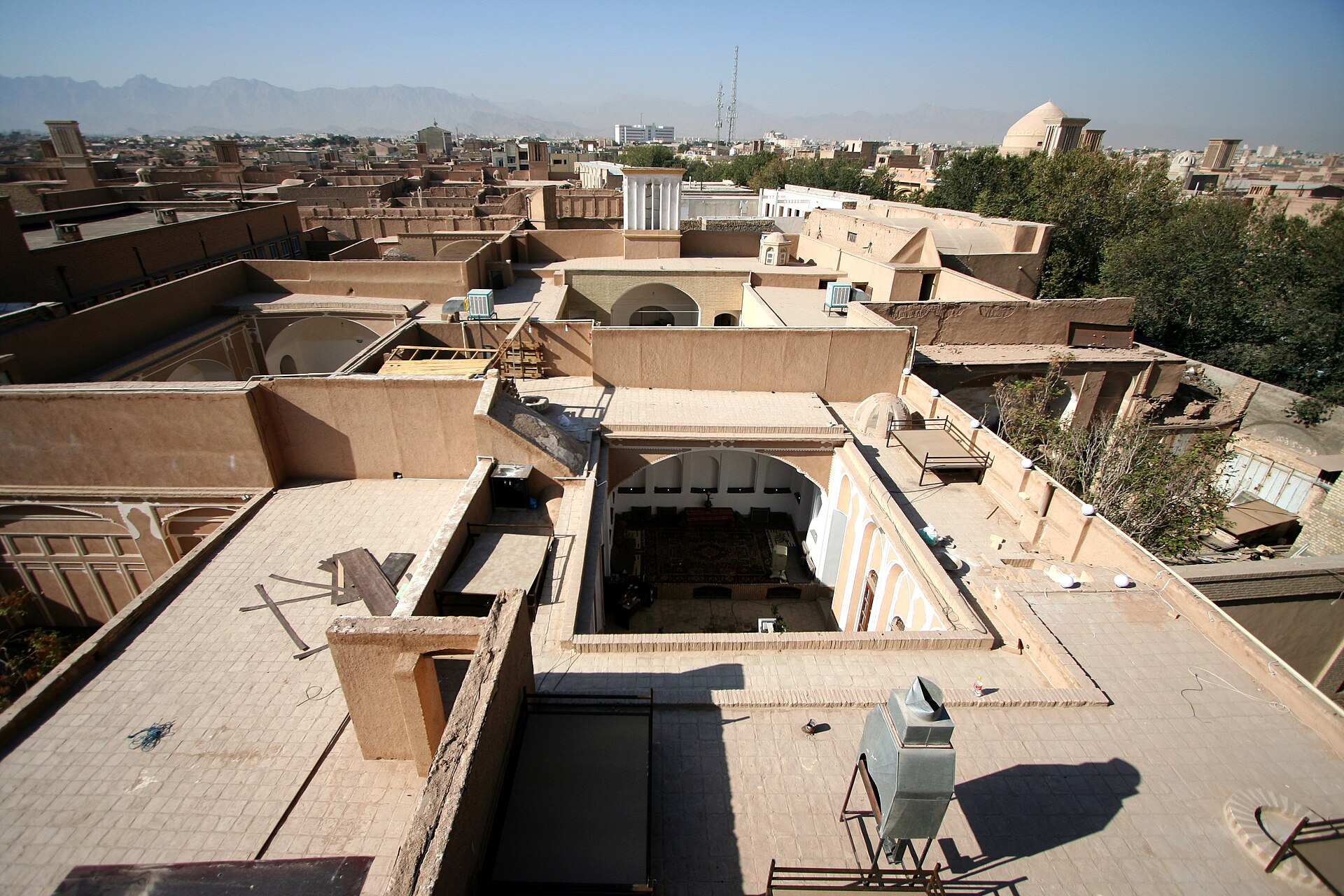
Windfänger in Yazd: Wie Badgirs die Wüstenarchitektur prägen
Wie die historische Stadt Yazd durch Badgirs ohne Elektrizität ein Meisterwerk der nachhaltigen Architektur schuf.
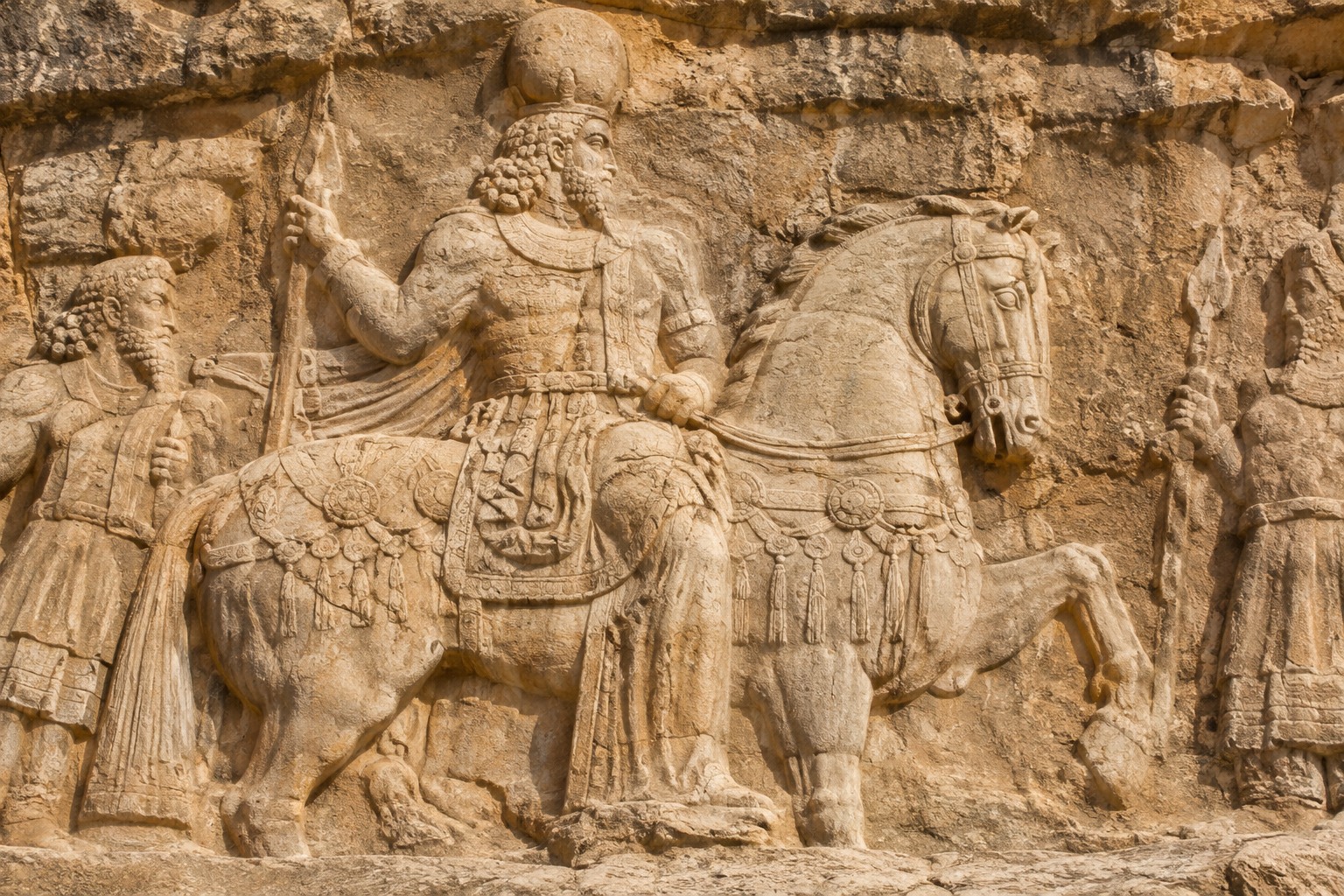
L'Héritage de l'Art Sassanide : Grandeur des Reliefs Perses
Explorez l'esthétique impériale des Sassanides, entre reliefs rupestres majestueux et symbolisme du pouvoir royal en Iran antique.
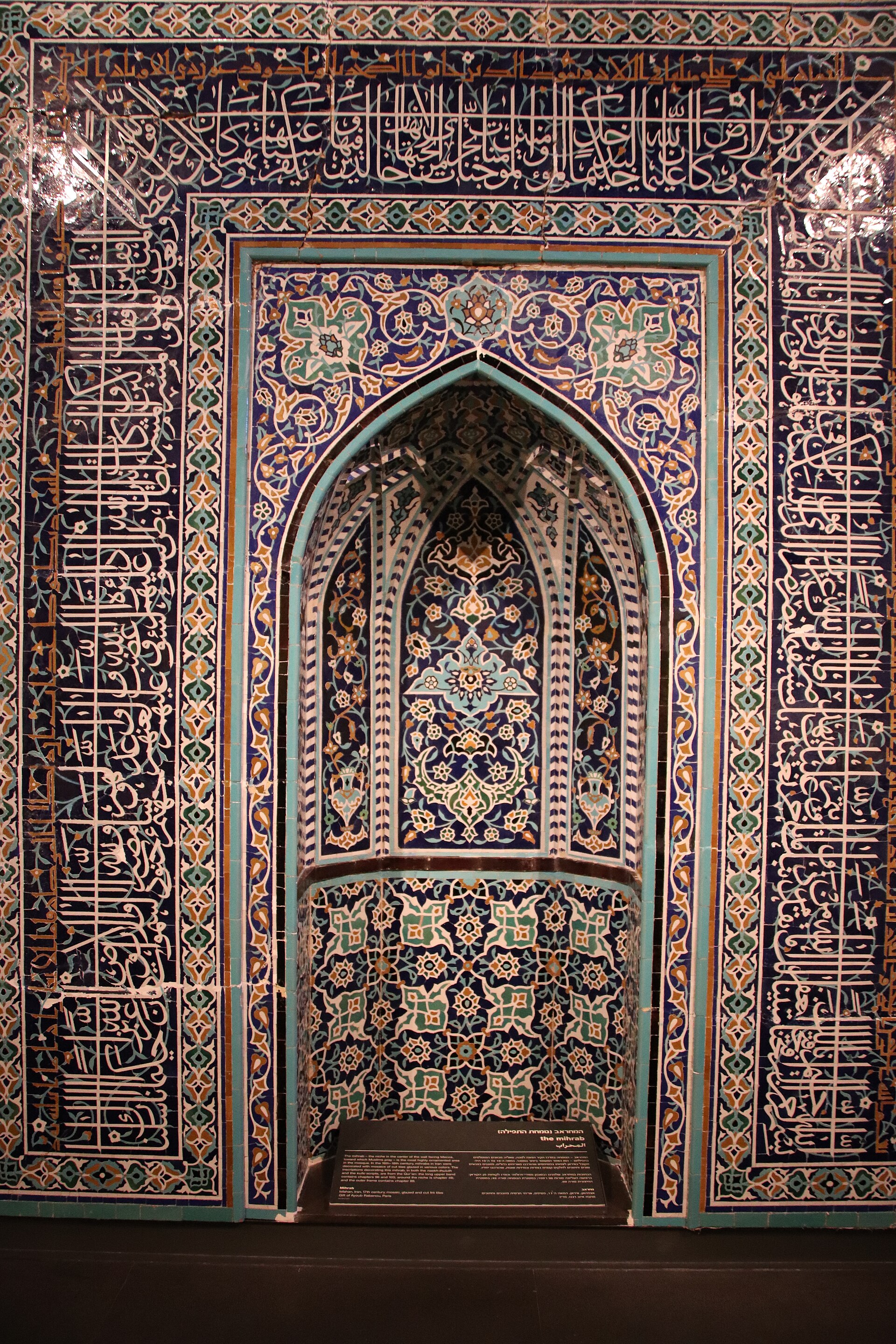
Persian Mosque Architecture: Safavid Gems and Tiled Wonders
Explore the spiritual geometry, kaleidoscopic tilework, and four-iwan structural innovations of Iran's most iconic historic mosques.

معماری اصفهان: تحلیل شکوه عصر صفوی و میدان نقش جهان
سفری به قلب تپنده هنر و مهندسی ایران در دوران شاه عباس اول و میراث یونسکو
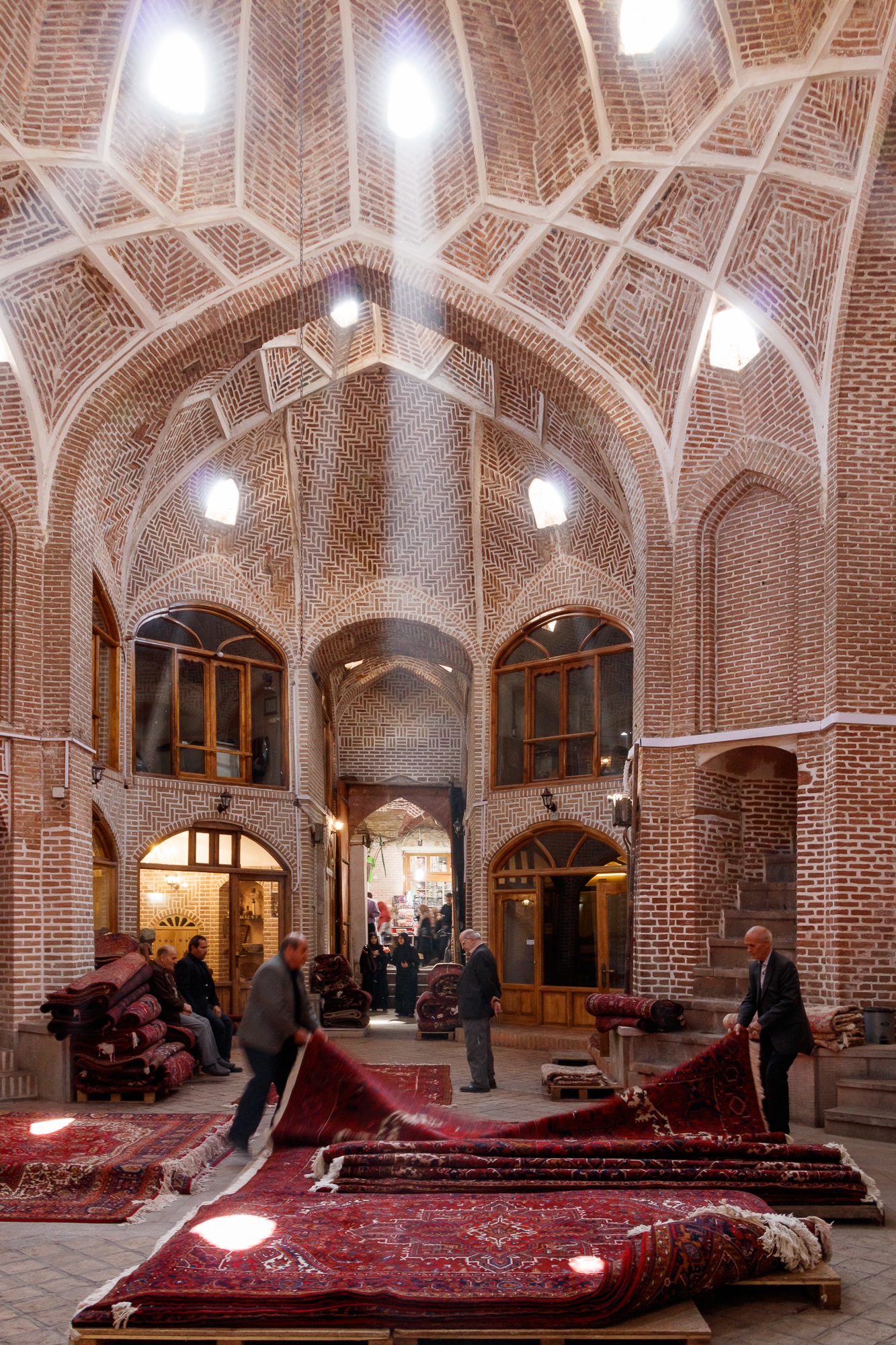
Bazar de Tabriz: O Guia Herança Viva da Joia da Rota da Seda
Descubra a história e a alma comercial do maior mercado coberto do mundo em Tabriz.
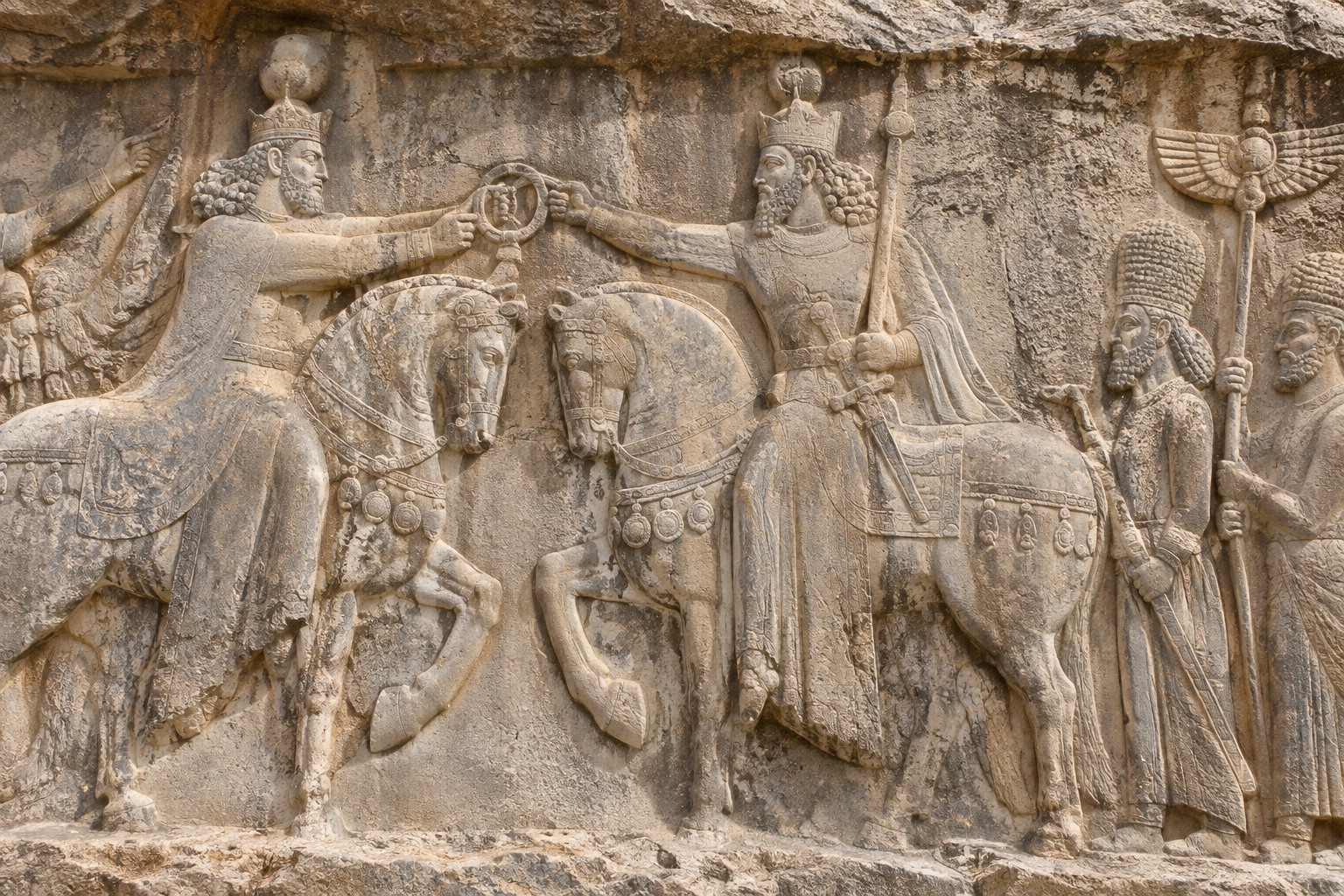
L'Héritage de l'Art Sassanide : Un Voyage à Travers l'Eranshahr
Explorez l'éclat de la dynastie sassanide, entre bas-reliefs rupestres et carrefour culturel entre l'Iran et l'Irak.

Persian Mosque Architecture: Exploring the Masterpieces of Iran
Discover the engineering marvels and sacred aesthetics from Isfahan's Safavid heights to Shiraz's stained-glass masterpieces.
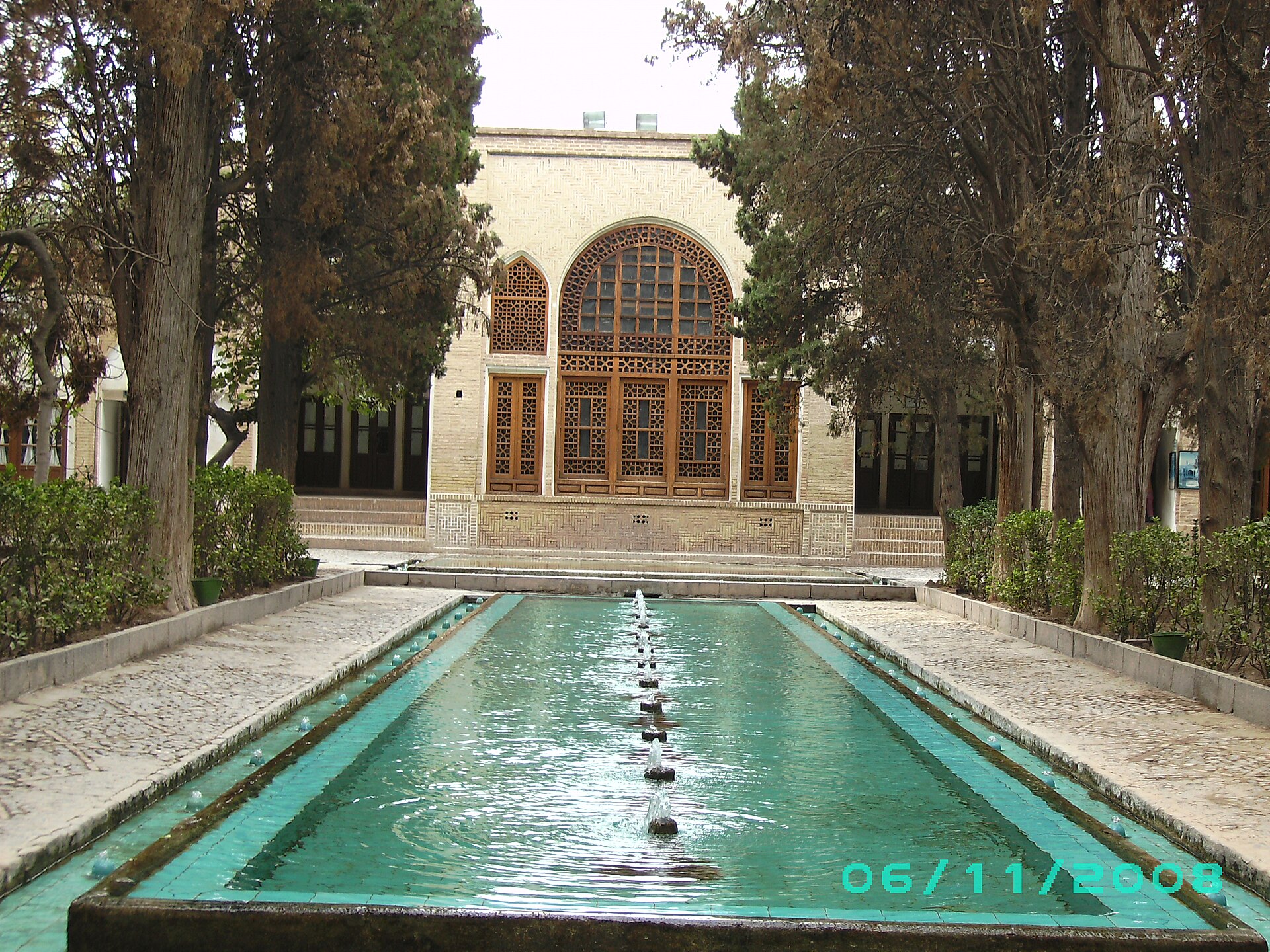
الحدائق الفارسية: فلسفة الفردوس والهندسة الإلهية في التراث الإيراني
استكشاف أسرار تصميم 'تشاهار باغ' وكيف حول المعماريون الفرس الصحراء القاحلة إلى واحات خالدة.
Common questions
- Is every muqarnas ceiling made of plaster?
- No. Muqarnas describes a three-dimensional architectural form, not a single material. It can be realised in plaster, masonry, tile and other materials, depending on the building.
- Does a Persepolis-inspired motif make a work ancient?
- No. Historic motifs remain part of contemporary artistic practice. An object's date must be supported by its own materials, construction and documented history.