Start with the craft guide
Separate the body, surface and technique
A ceramic object's clay body and its surface decoration tell different parts of its story. Glaze, underglaze painting and lustre are not interchangeable. Architectural tile can use individually cut pieces or painted surfaces; a similar palette does not mean two panels were constructed in the same way.
Glass can be blown, moulded, cut or enamelled. Lacquered papier-mâché, despite its glossy finish, is neither pottery nor glass. Start with the underlying material before comparing style, region or date, especially when working from photographs.
Condition matters as much as decoration
Request views of the base, rim and any handles, along with close-ups of chips, cracks and restoration. Repainting can conceal losses, while a replaced rim or foot may change an object's interpretation. A signature or inscription is useful evidence, but should be assessed alongside the object itself.
Historic ceramics and decorative enamels should not be assumed suitable for food use. Unknown glazes, repairs and fragile surfaces call for caution. Protect lacquer from moisture and heat, and support glass at its strongest points rather than lifting it by a thin handle.
Articles in this collection
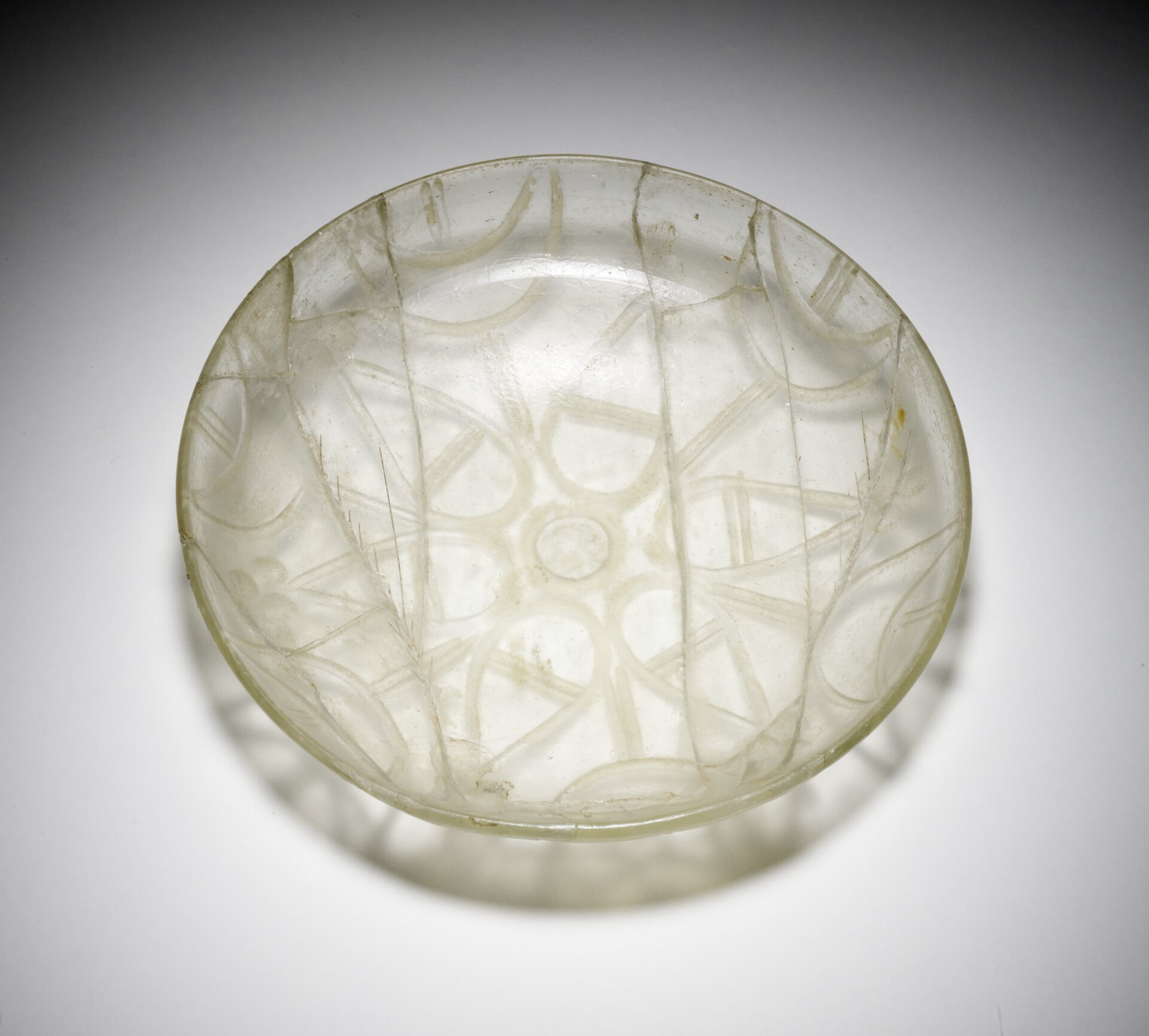
Persisches Glas: Die gläserne Seele der iranischen Kunstgeschichte
Von den Sassaniden bis zur Moderne – wie iranische Glaskunst durch Licht und Form die Weltgeschichte prägte.
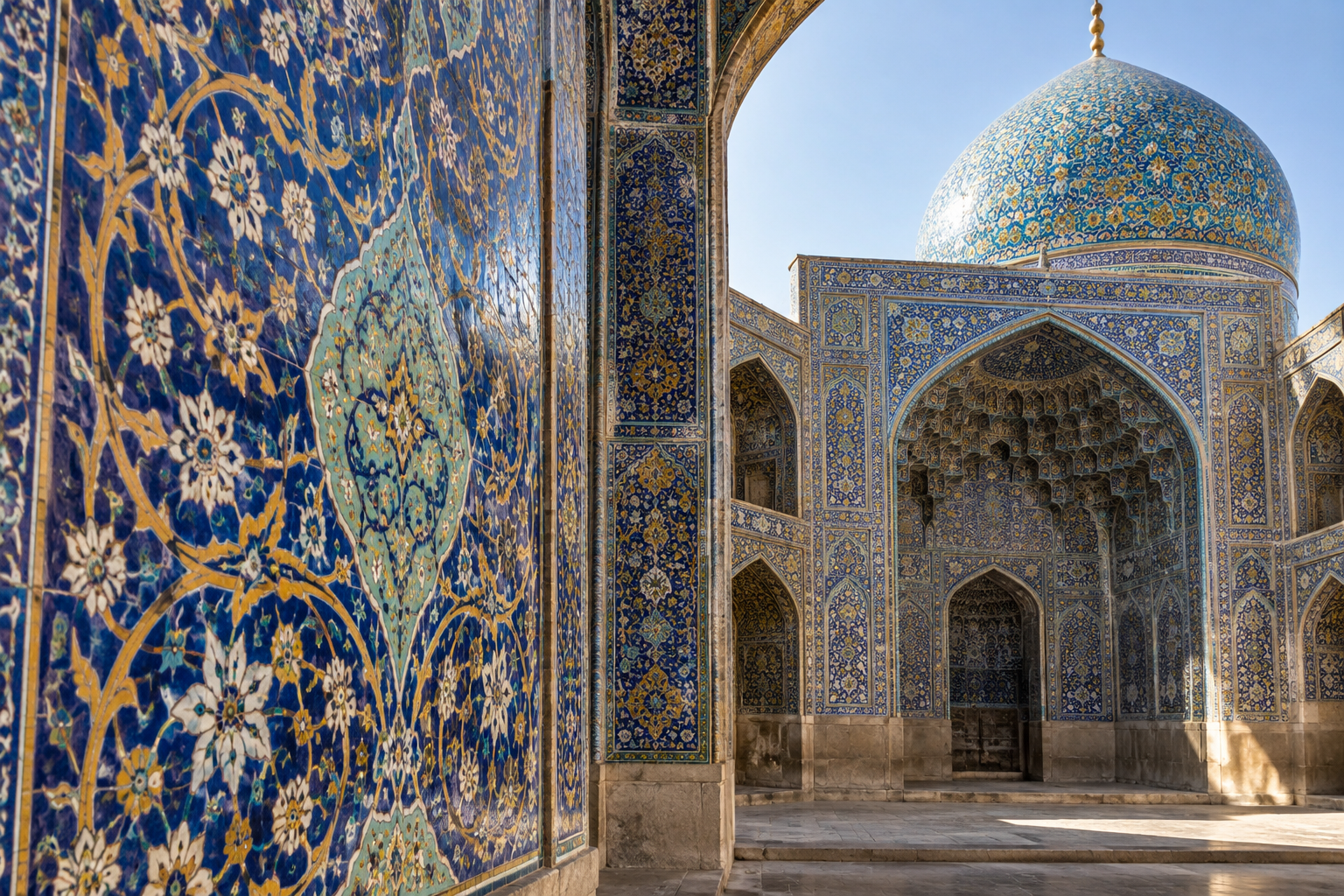
Arte Kashi: La guía definitiva del azulejo persa tradicional
Descubra la historia, las técnicas de 'haft rang' y el esplendor arquitectónico de la cerámica iraní desde el periodo safávida hasta hoy.
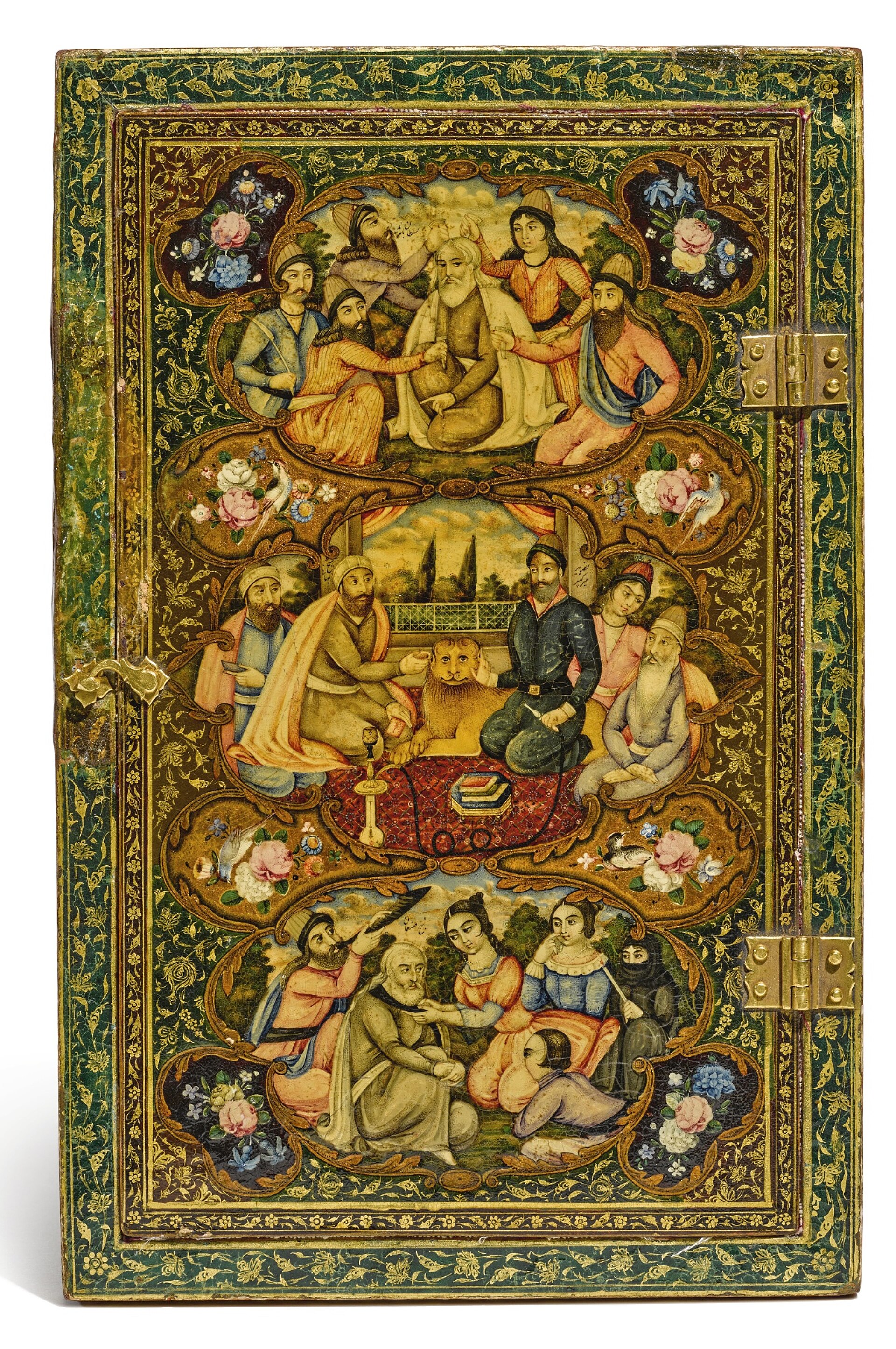
Lacca Persiana e Papier-Mâché: L'Arte Raffinata del Periodo Qajar
Esploriamo la storia e la maestria tecnica dietro i qalamdan e le scatole laccate della Persia del XIX secolo.
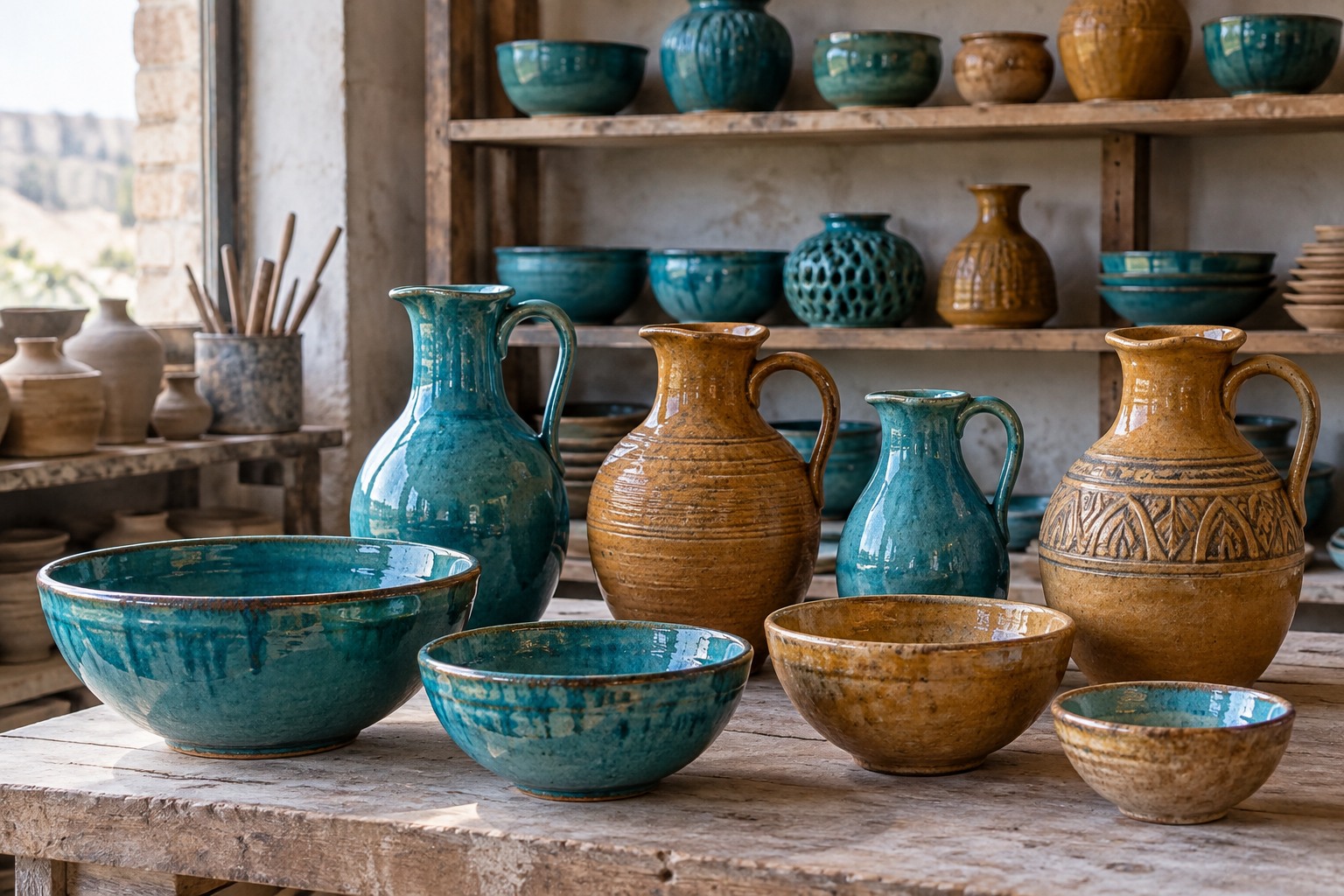
La Poterie de Lalejin : Capitale Mondiale de l'Art Céramique Perse
Découvrez le cœur battant de l'artisanat iranien à Lalejin, la ville où l'argile se transforme en héritage éternel.
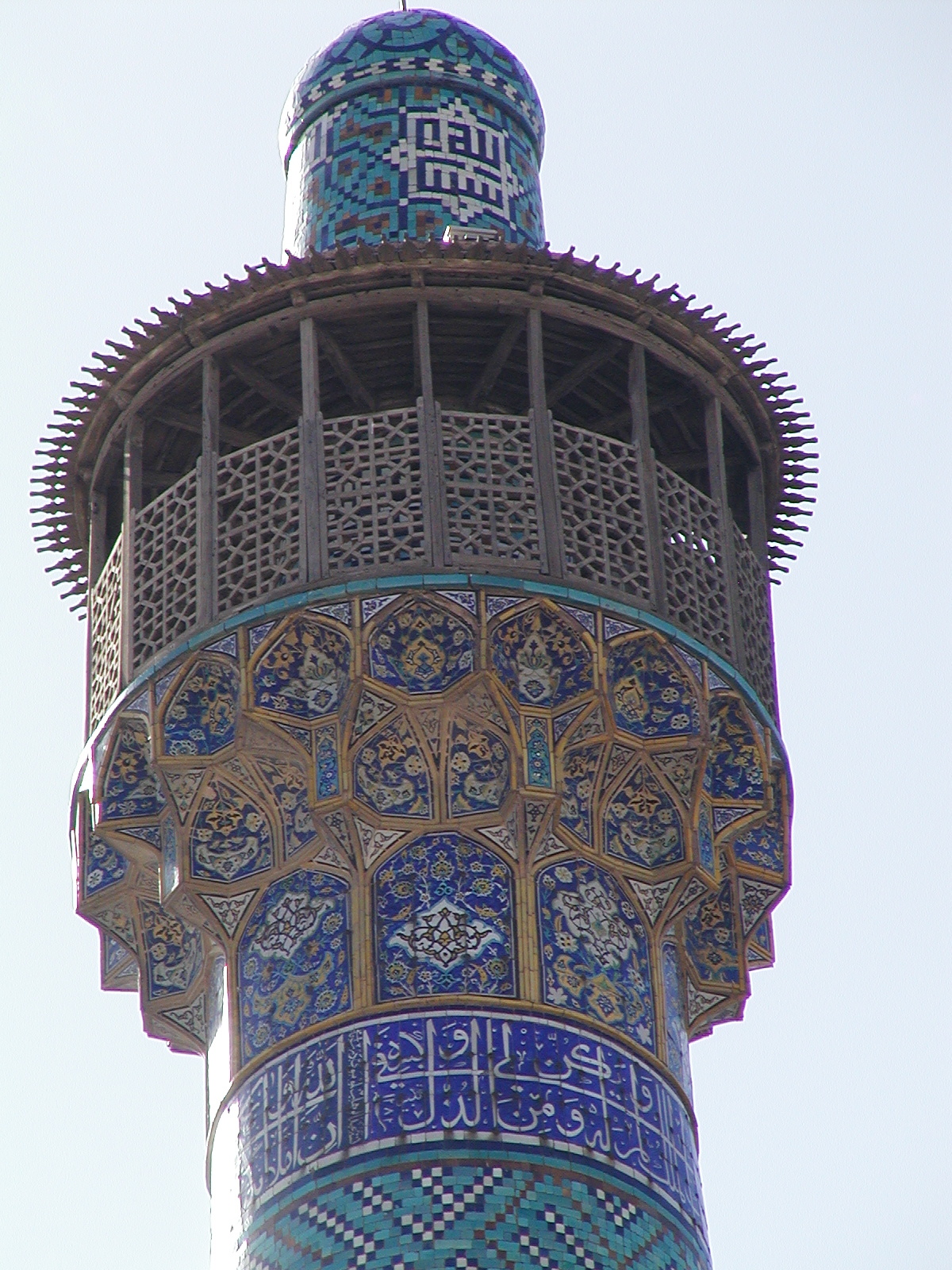
Kashi: El Arte del Azulejo Persa y su Legado de Color Eterno
Un viaje por la historia de los mosaicos 'Haft Rang' que transforman la arquitectura de Irán en poesía visual.
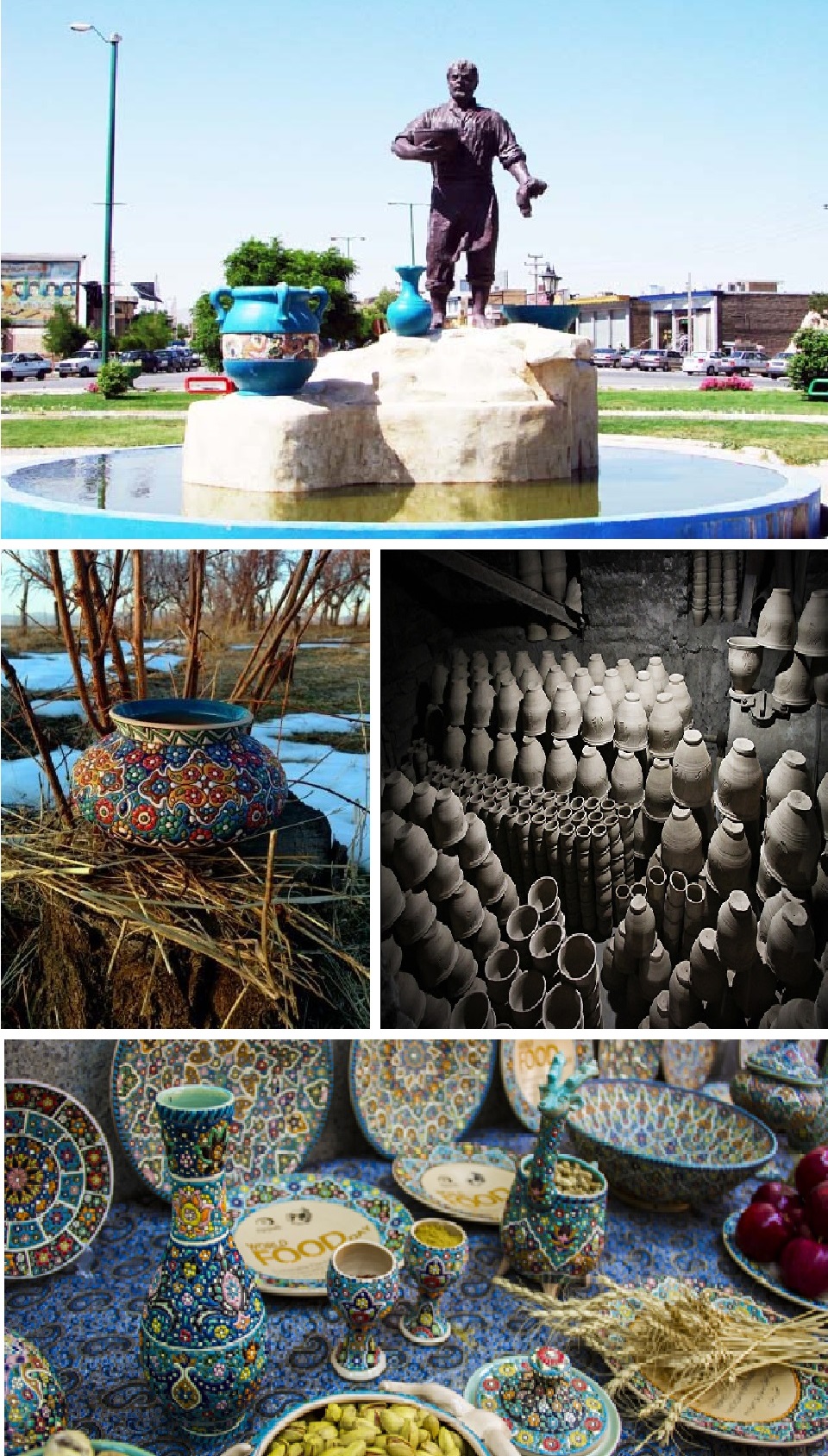
Poterie de Lalejin : L'âme de l'artisanat d'art iranien
Explorez Lalejin, près de Hamedan, consacrée Ville Mondiale de la Poterie et cœur battant de la céramique persane ancestrale.
Common questions
- Are Persian tiles and mina kari made the same way?
- No. Tilework uses a ceramic body, whereas mina kari commonly applies vitreous enamel to metal. Both involve firing, but the support material and working processes differ.
- Can decorative antique vessels be used for food or drink?
- Do not assume so. The glaze, metal, surface treatment and any repairs need to be identified and assessed for the intended use. Display is the safer choice when that information is unknown.