Xene Gallery

Come riconoscere tappeti persiani autentici: guida completa

Impara a distinguere un capolavoro annodato a mano da un'imitazione industriale attraverso l'analisi di nodi, frange e materiali.

Tonbak, a Persian percussion instrument.
Image: https://www.flickr.com/photos/dynamosquito · CC BY-SA 2.0

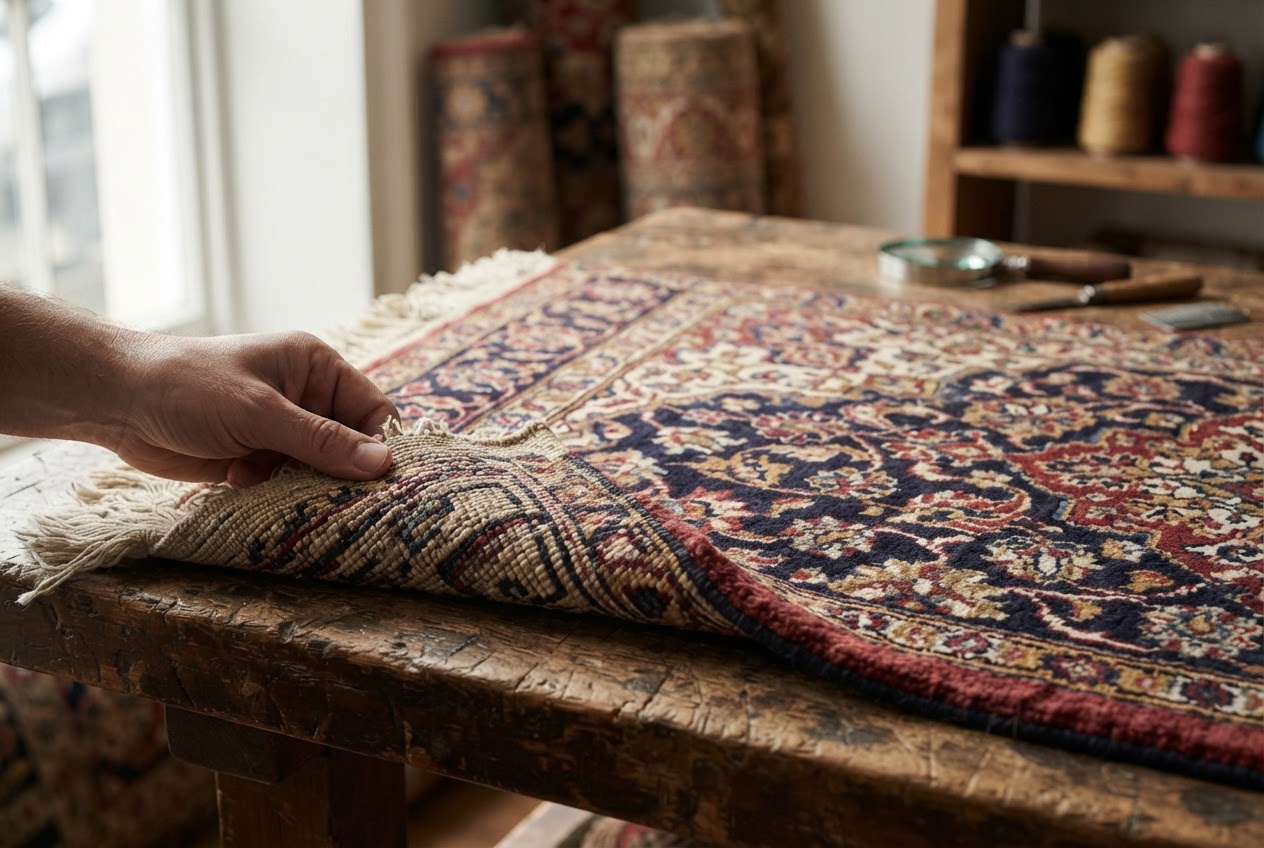
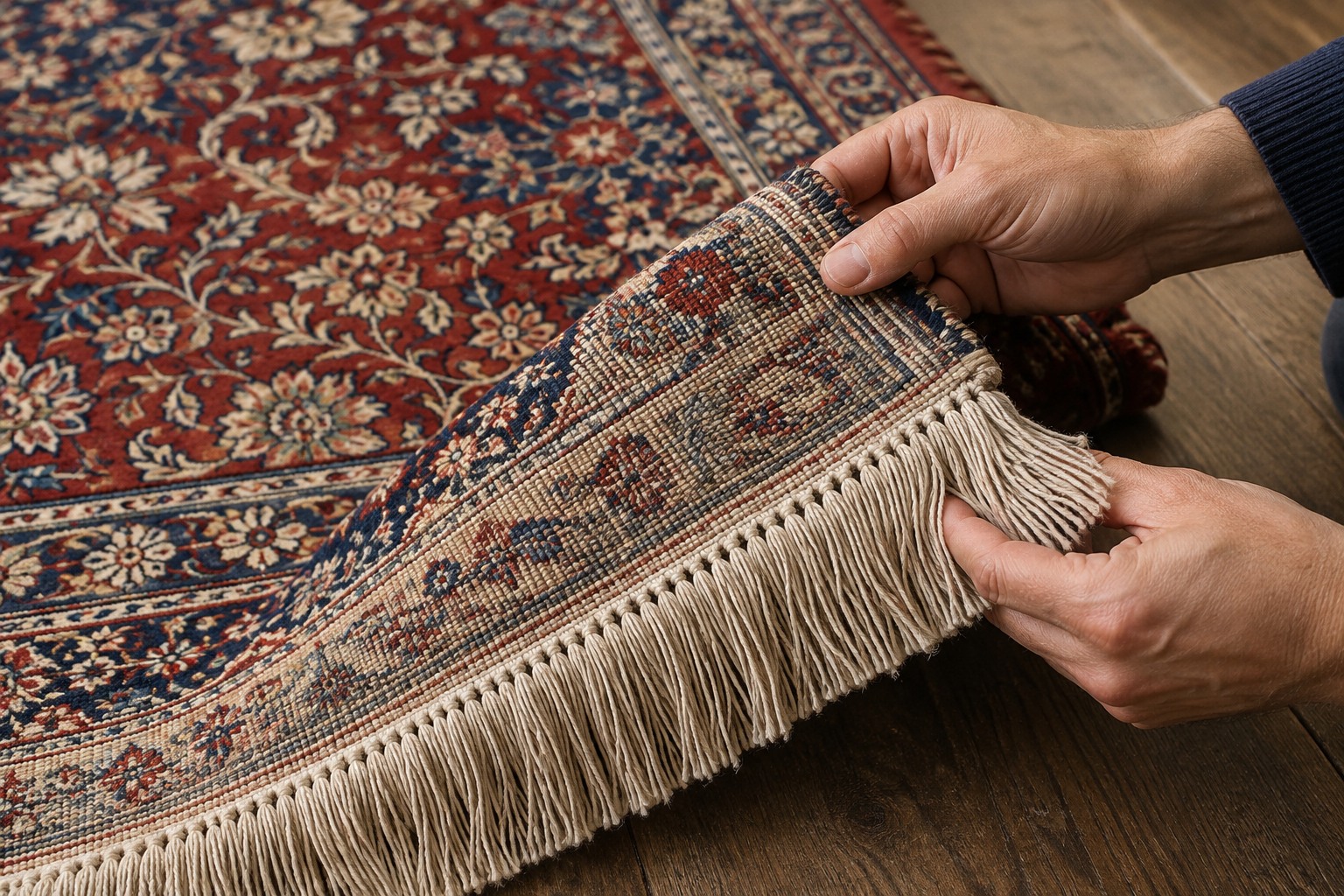
Per capire come riconoscere tappeti persiani autentici, è essenziale verificare che il manufatto sia annodato a mano e composto da fibre naturali come lana, seta o cotone. Un pezzo originale presenta sempre frange che sono il prolungamento dell'ordito [1], un retro che riflette il disegno frontale con lievi asimmetrie nei nodi e l'assenza di colle o supporti sintetici tipici della produzione industriale [3].

Che cos'è un tappeto persiano autentico?

Un tappeto persiano autentico è un'opera d'arte tessile originaria dell'attuale Iran, realizzata attraverso una tradizione millenaria che risale a circa 2.500 anni fa [2]. Questi tappeti non sono semplici complementi d'arredo, ma narrazioni culturali nate dalle tribù nomadi dell'altopiano iranico e perfezionate nelle corti reali durante le dinastie Safavide e Qajar. La distinzione fondamentale risiede nel processo di creazione: ogni singolo nodo è stretto a mano da un artigiano su un telaio verticale o orizzontale.

Come riconoscere tappeti persiani autentici dalle frange?

Le frange sono il primo punto di ispezione per un esperto. In un tappeto fatto a mano, le frange non sono un elemento decorativo aggiunto, ma rappresentano le estremità dei fili dell'ordito (i fili verticali del telaio) [1]. Se osservate attentamente la base delle frange, vedrete che esse emergono direttamente dal corpo del tappeto. Al contrario, nei tappeti economici prodotti a macchina, le frange vengono spesso cucite o incollate sul bordo dopo la tessitura.

Checklist rapida per le frange
  • Le frange sono un prolungamento naturale dei fili dell'ordito.
  • Non ci sono segni di cuciture meccaniche che collegano le frange al vello.
  • Le frange possono presentare una leggera usura se il tappeto è antico o usato [1].
  • Nei tappeti di alta qualità, le frange possono essere rifinite con piccoli nodi protettivi.

Quali sono le differenze tra nodi fatti a mano e a macchina?

La differenza risiede nell'irregolarità e nella struttura. Voltando il tappeto, un pezzo autentico mostrerà dei nodi visibili che non sono mai perfettamente identici tra loro. Questa "imperfezione" è il marchio di fabbrica del lavoro umano. I tappeti persiani utilizzano principalmente due tipi di nodi: il nodo Senneh (asimmetrico) e il nodo Ghiordes (simmetrico) [2]. I tappeti industriali, invece, utilizzano un sistema di fibre pressate o intrecciate meccanicamente che appaiono troppo uniformi sul retro.

Confronto: Tappeto Fatto a Mano vs Industriale
CaratteristicaTappeto Persiano AutenticoImitazione a Macchina
FrangeProlungamento dell'orditoCucite o incollate
RetroDisegno nitido, nodi visibiliDisegno sfocato o coperto da lattice
NodiLeggermente irregolariPerfettamente uniformi
Bordi (Cimose)Rifiniti a mano, spesso irregolariCuciti a macchina con filo sintetico
MaterialiLana, Seta, CotonePoliestere, Nylon, Polipropilene
Guida visiva rapida per distinguere la lavorazione artigianale da quella industriale [3].

Perché il materiale è fondamentale per l'autenticità?

I materiali utilizzati definiscono non solo l'estetica ma anche la durata del tappeto. Un vero tappeto persiano utilizza esclusivamente fibre naturali. La lana è il materiale più comune, spesso proveniente da pecore allevate localmente, che produce un vello ricco di lanolina e resistente all'usura [3]. I tappeti più pregiati, come quelli di Qom, possono essere realizzati interamente in seta, offrendo una lucentezza e una densità di nodi straordinaria [4].
Soudeh asked me to generate portraits mosaic of attendants of 3rd Iranian Flickr Gathering in Hamadan. I know, I'm too late ;) We were 33 persons, from 7 to 58 years, from Tehran, Isfahan, Mashhad, Hamadan, Tabriz, Paris (France), and Vienna (Austria). My other photos of this gathering can be found here and all gathering photos can be found here. This photo was added to flickr explore (interestingness) of 27 August 2006. About Hamadan (from this sorce by HORIZON, originally from WikiPedia): more information: en.wikipedia.org/wiki/Hamedan Hamedan is the capital city of Hamadan Province of Iran. It had an estimated population of 550,284 in 2005. Hamadan is believed to be amongst the oldest Iranian cities and one of the OLDEST in the world. Hamadan is a green mountainous area on the foothills of the 3574-meter Alwand Mountain,in the mid west of Iran. The city is 1850 meters above sea level. The special nature of this old city and its historic sites attract tourists during the summer to this city, located approximately 400km southwest of Tehran. History Golden Rhyton from Iran's Achaemenid period from Ecbatana. National Museum of Iran.Hamadan has a distinguished place among all historical cities of Iran and geographically located at 34°51'N 48°31'E.Some historians believe that Hamadan's construction dates back to 3000 BC and according to an inscribtion from the first Assyrian king , it is aributed to 1100 BC. Hamadan was established by the Medes, and was the capital of the Median empire. It became then one of the multiple capital cities of the Achaemenid Dynasty and it has been referred to by several name variations throughout its long history, namely: Ecbatana (Median), Ecbatana (classical Greek rendition of Hagmatana) and several corruptions or mispronunciations of the previous two in subsequent centuries. During the Parthian era, Ctesiphon was the capital of the country, and Hamadan the summer capital and residence of the Parthian rulers. After the Parthians, the Sassanids constructed their summer palaces in Hamadan. In the year 633 the war of Nahavand took place and Hamadan came into the hands of the muslim Arabs, at times it thrived and at times it witnessed poverty. During the Buwayhids , it suffered much damage. In the 11th century, the Seljuks shifted their capital from Baghdad to Hamadan. The city of Hamadan which was always assaulted by the rise and fall of powers, was completely destroyed during the Timurid invasion. During the Safavid era the city thrived. Thereafter, in the year 18th century, Hamadan was surrendered to the Ottomans, but due to the courage and chivalry of Nadir Shah Afshar, Hamadan was cleared off the invaders and according to the peace treaty between Iran and the Ottomans , it was returned to Iran. The city of Hamadan lay on the Silk Road and even in the last centuries enjoyed good prospects in commerce and trade being on the main road network in the western region of the country. Climate Hamadan province lies in a temperate mountainous region to the east of Zagros. The vast plains of the north and northeast of the province are influenced by strong winds, that almost last throughout the year. The various air currents of this region are: the north and north west winds of the spring and winter seasons, which are usually humid and bring about rainfall. The west-east air currents that blow in the autumn, and the local winds that develop due to difference in air-pressure between the elevated areas and the plains, like the blind wind of the Asad Abad region. Hamadan being in the vicinity of the Alvand mountains has a cold, mountainous climate, with snowy winters. In fact it is one of the coldest cities in Iran. The temperature may drop below -30 °C on the coldest days. Heavy snowfalls are common during winter. Summer is short , and the weather is mild and pleasant and mostly sunny. Culture An example of a traditional Rug of Hamedan.Hamadan is also home to many poets and cultural celebrities. The city is also said to be among the world's oldest continuously inhabited cities. Handicrafts Hamadan has always been well-known for handicrafts like leather and ceramic work as well as for its beautiful carpets. Iran's Cultural Heritage Organization lists 207 sites of historical and cultural significance in the city of Hamedan alone. Legend has it that the biblical Esther is buried in Hamedan. The scientist and writer known in the west as Avicenna (Abu Ali Sina) is buried in Hamedan. The 11th century Persian poet Baba Taher is also interred in Hamedan. Contemporary Culture People of Hamedan are very proud of their old history. Another source of their pride is Avicenna (aka Bouali, Buali, Ebn-e-sina, Pur-e-Sina) who is buried in Hamedan. In Hamedan, you can find primary schools, secondary schools, high schools, colleges, and the main city's university names after him. Also, there are many shops and businesses named after him. The main street of Hamedan is also named Bouali. Bouali Street is a very busy one and in fact, a favorite pastime of Hamedanians is to troll up and down the street where they frequently bump into their acquaintances. Attractions Avicenna (Abu Ali Sina) Ibn Sina mausoleum Baba Tahir Mausleum Ali Sadr Cave Gonbad-e Alavian Ganj Nameh Hamedan Stone Lion Estakhr e Abbas Abad (an over-the-hill lake with a magnificent view to the city Nazari House Hamedan Museum of Natural History Excavated Ancient Ecbatana City Sister cities: Kulyab, Tajikestan
Mosaic of Hamadan Gathering · Hamed Saber · CC BY 2.0
Numeri dell'Arte Persiana
Anni di storia
2.500+

Dalle tribù nomadi alle corti Safavide

Tipi di nodi
2

Senneh (asimmetrico) e Ghiordes (simmetrico)

Densità nodi (KPSI)
100-1000+

Nodi per pollice quadrato a seconda della regione

L'importanza dei coloranti naturali

Un altro segnale per capire come riconoscere tappeti persiani autentici è l'osservazione dei colori. Gli artigiani tradizionali usano pigmenti derivati da piante (come la robbia per il rosso o l'indaco per il blu) e minerali. Questi colori tendono a invecchiare con grazia, creando variazioni tonali note come abrash. I tappeti sintetici presentano spesso colori piatti e troppo brillanti che possono sbiadire in modo innaturale se esposti al sole.

“Il tappeto persiano non è solo un oggetto; è un racconto di geometrie, colori e pazienza che sopravvive per generazioni.”

— Esperto di restauro presso Kian Rug Company

Quali sono i principali tipi di tappeti persiani da conoscere?

Non esiste un unico "stile" persiano. Ogni città e regione ha sviluppato un linguaggio visivo unico. Conoscere queste differenze aiuta a identificare la provenienza e la qualità del pezzo che state osservando [4].
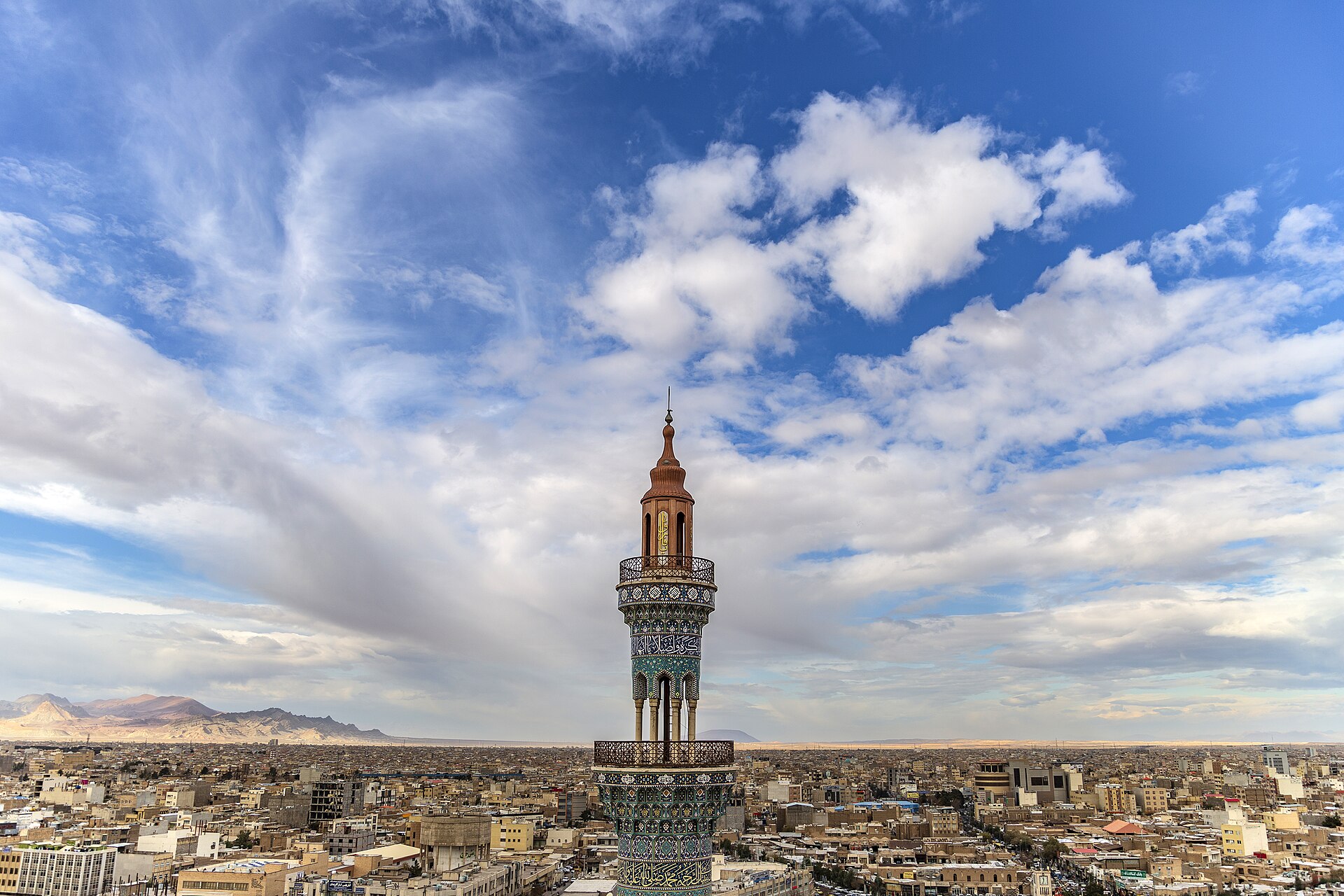
Qom is located beside the desert at 140 km south of Tehran with the height of 930 m above the sea level in an arid region. It enjoys a desert and semi-desert climate. Summer is warm and arid and winter is nearly cold in this city. Qom consists of 5 parts as "Jafarabda", "Khalajestan", "Salafchegan", "Kahak", "Markazi", one city and 9 rural districts. This city is the 8th populous city after Tehran, Mashhad, Isfahan, Tabriz, Karaj, Shiraz, Ahvaz and second religious city after Mashhad and also one of the main centers of Silk Carpet, Sweets and Sohan production in Iran and all around the world located among Iran transportation roads which connect the industrial cities to Tehran, on one hand, and link the southern provinces and cities of Iran to the northern ones, on the other hand. Qom, one of the most significant desert towns, is of the main poles of developing pilgrimage tourism in Iran.
عکس قم ایران از دریچه دوربین کلانشهرهای ایرانی مصطفی معراجی تصاویر ایران زمین با کیفیت مجوز کریتیو کامانز 01 · Mostafameraji · CC BY-SA 4.0
Densità Media dei Nodi per Regione (KPSI)
La densità dei nodi (Knots Per Square Inch) indica la finezza del dettaglio artigianale [4].
Stili regionali famosi
  1. Tabriz: Noti per i medaglioni centrali e una tecnica di annodatura molto precisa.
  2. Qom: Spesso realizzati interamente in seta con disegni floreali dettagliati [4].
  3. Heriz: Caratterizzati da disegni geometrici audaci e una struttura estremamente robusta.
  4. Isfahan: Celebri per la loro eleganza classica, ispirata all'architettura delle moschee safavidi.
  5. Kashan: Tradizionalmente presentano motivi a medaglione e alberi della vita.

Come testare la qualità dei materiali a casa?

Se non siete sicuri della composizione del vello, esiste un test semplice (ma da eseguire con estrema cautela). Prelevando un piccolissimo frammento di fibra dal retro e bruciandolo, potrete capire la sua origine. La lana brucia lentamente e odora di capelli bruciati, lasciando una cenere friabile. La seta ha un odore simile ma più delicato. I materiali sintetici, invece, fondono come plastica ed emanano un odore chimico pungente.
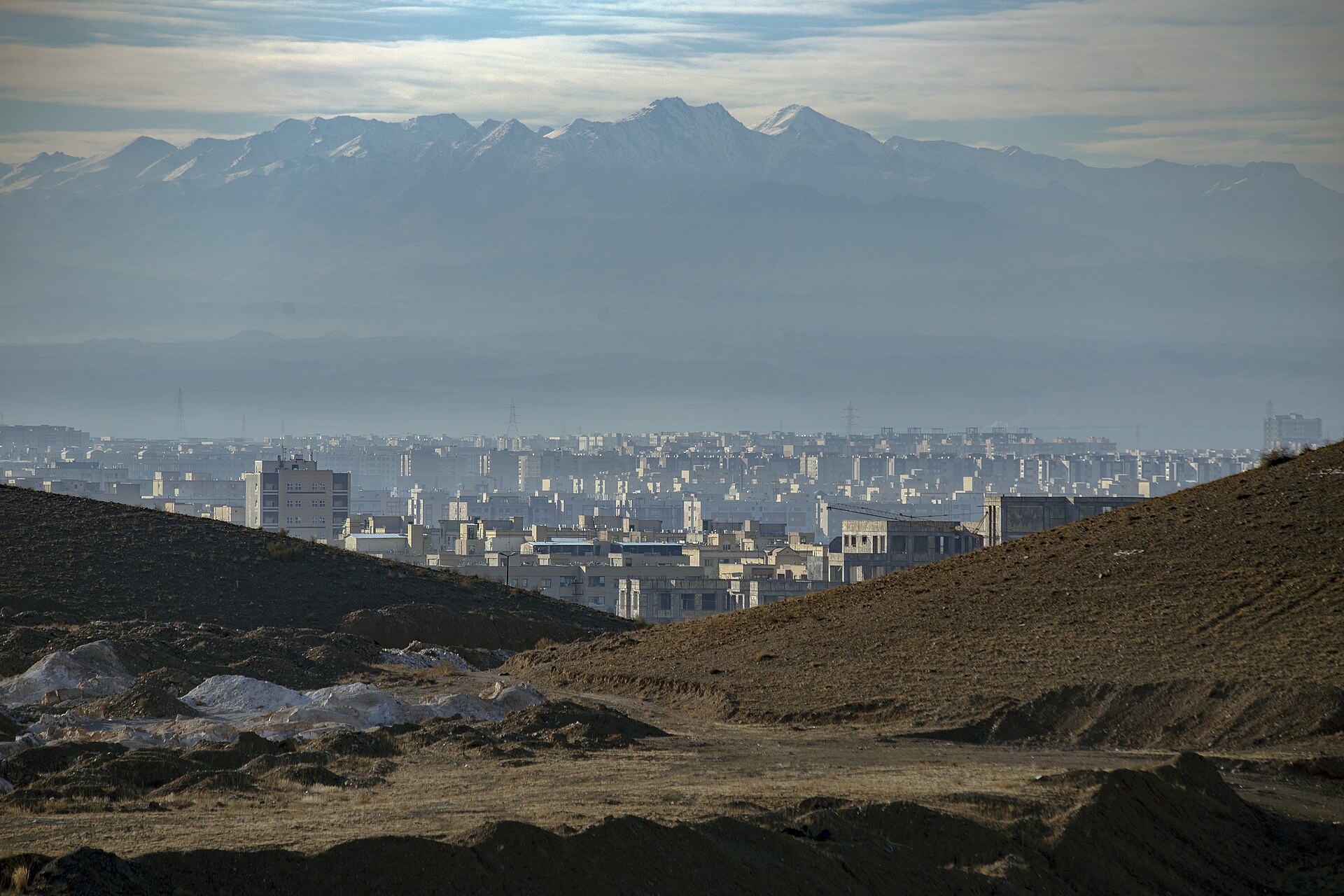
Qom is located beside the desert at 140 km south of Tehran with the height of 930 m above the sea level in an arid region. It enjoys a desert and semi-desert climate. Summer is warm and arid and winter is nearly cold in this city. Qom consists of 5 parts as "Jafarabda", "Khalajestan", "Salafchegan", "Kahak", "Markazi", one city and 9 rural districts. This city is the 8th populous city after Tehran, Mashhad, Isfahan, Tabriz, Karaj, Shiraz, Ahvaz and second religious city after Mashhad and also one of the main centers of Silk Carpet, Sweets and Sohan production in Iran and all around the world located among Iran transportation roads which connect the industrial cities to Tehran, on one hand, and link the southern provinces and cities of Iran to the northern ones, on the other hand. Qom, one of the most significant desert towns, is of the main poles of developing pilgrimage tourism in Iran.
عکس قم ایران از دریچه دوربین کلانشهرهای ایرانی مصطفی معراجی تصاویر ایران زمین با کیفیت مجوز کریتیو کامانز 03 · Mostafameraji · CC BY-SA 4.0
Analisi delle Fibre e Reazione al Fuoco
MaterialeOdore al FuocoResiduo
LanaCapelli bruciatiCenere nera friabile
SetaPiume bruciatePiccola perla nera fragile
CotoneCarta bruciataCenere grigia leggera
PoliesterePlastica/ChimicoGoccia dura e nera
Test empirici per verificare la natura delle fibre utilizzate nella tessitura [3].

“Riparare le frange danneggiate non è solo estetica, è protezione strutturale per l'ordito su cui poggia l'intera opera.”

— Art Tappeti Blog

Domande Frequenti su come riconoscere tappeti persiani autentici

Come posso capire se un tappeto è stato fatto a mano o a macchina?
Guarda il retro del tappeto: se il disegno è nitido quasi quanto il fronte e i nodi mostrano lievi irregolarità, è fatto a mano. Se il retro è coperto da una tela o i nodi sono perfettamente simmetrici e uniformi come una griglia millimetrica, è un prodotto industriale.
Cosa indica la presenza di 'abrash' in un tappeto?
L'abrash si riferisce a variazioni naturali di colore all'interno dello stesso campo del tappeto. Questo accade perché i lotti di lana tinta con pigmenti naturali possono variare leggermente di tonalità. È un segno di autenticità e valore, non un difetto.
È vero che i tappeti persiani autentici non hanno mai difetti?
Al contrario, le piccole asimmetrie nel disegno o lievi differenze nella dimensione dei nodi sono la prova del tocco umano. Gli artigiani spesso dicono che 'solo Dio è perfetto', e lasciano intenzionalmente piccole variazioni nei loro capolavori.
Quanto costa riparare le frange di un tappeto persiano?
Il costo dipende dal tipo di danno. Se l'ordito è ancora intatto, una riparazione conservativa è economica. Se le frange vanno rifatte interamente, il costo aumenta poiché richiede l'inserimento manuale di nuovi fili nell'armatura del tappeto [1].
Posso pulire il mio tappeto persiano con l'aspirapolvere?
Sì, ma con estrema cautela. Evita assolutamente la spazzola rotante sulle frange, poiché può strappare i fili dell'ordito e causare lo sfilacciamento dei nodi esterni [1]. Usa sempre la bocchetta per aspirazione delicata.

Sources

  1. [1]Frange Rovinate del Tappeto: Costo e Cosa Conviene· Art Tappeti
  2. [2]The History of Persian Rugs: Origins, Weaving Traditions, and Evolution· Kian Rug Company
  3. [3]How Persian Rugs Are Made: The Complete Guide to Materials, Weaving Process & Craftsmanship· Afra Rugs
  4. [4]10 Famous Persian Rug Types for American Homes· ABC Rugs Kilims