Xene Gallery

伊朗手工艺与民间艺术之都:UNESCO 创意城市与千年匠心的现代回响

深入探索伊朗被联合国教科文组织认可的手工艺重镇,解析从卡尚的建筑美学到多元民间艺术的文化传承。

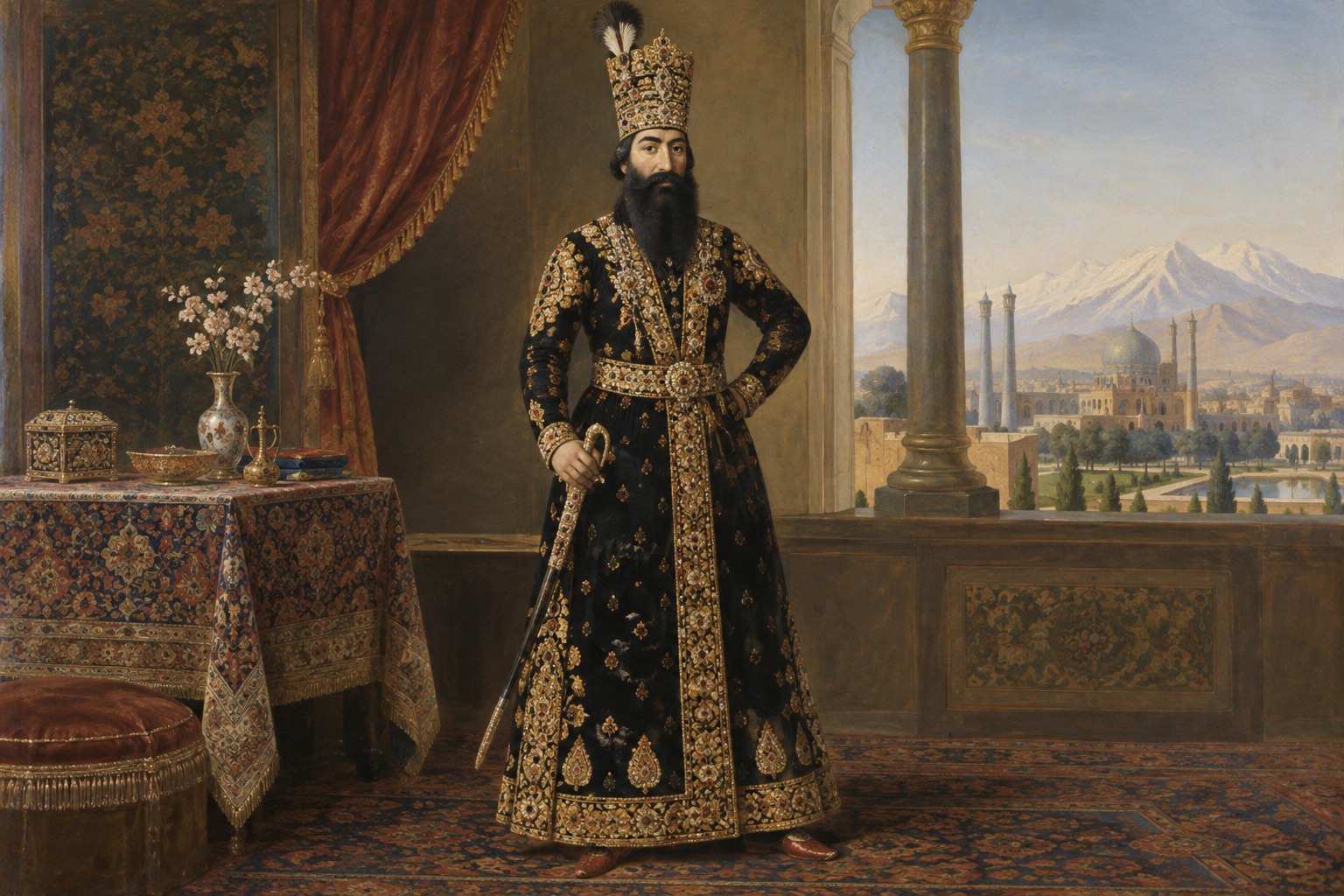
Tehran, Iran, Golestan Palace The lavish Golestan Palace is a masterpiece of the Qajar era, embodying the successful integration of earlier Persian crafts and architecture with Western influences. The walled Palace, one of the oldest groups of buildings in Teheran, became the seat of government of the Qajar family, which came into power in 1779 and made Teheran the capital of the country. Built around a garden featuring pools as well as planted areas, the Palace’s most characteristic features and rich ornaments date from the 19th century. It became a centre of Qajari arts and architecture of which it is an outstanding example and has remained a source of inspiration for Iranian artists and architects to this day. It represents a new style incorporating traditional Persian arts and crafts and elements of 18th century architecture and technology. (Unesco)
Image: Ninara from Helsinki, Finland · CC BY 2.0

伊朗 UNESCO 手工艺与民间艺术之都是指被联合国教科文组织创意城市网络(UCCN)正式认可的一系列伊朗城市,这些城市以其深厚的传统技艺、独特的民间艺术表现形式以及将创意融入城市可持续发展的能力而著称。在这些城市中,卡尚(Kashan)作为杰出的代表,不仅在传统手工艺领域表现卓越,更因其卓越的气候响应型建筑设计和文化景观,被确立为国际公认的建筑与创意中心 [2]。这一认可不仅是对波斯古代工匠智慧的致敬,更是现代城市利用文化遗产实现经济与社会振兴的关键路径。

什么是 UNESCO 创意城市网络(UCCN)中的伊朗角色?

根据 UNESCO 手工艺与民间艺术之都项目 [1],该计划旨在通过创意产业促进城市的可持续增长。伊朗作为拥有数千年历史的文明枢纽,积极参与该网络,旨在展示其从波斯地毯金属雕刻(Qalamzani)的无尽创意。这些城市不仅是历史的守望者,更是创新实验室,将传统的民间艺术与现代设计审美相结合。
伊朗创意城市核心数据
卡尚获得认可年份
2026

正式加入 UNESCO 网络

全球创意城市总数
300+

跨越 90 多个国家

重点关注领域
7大类别

包括手工艺、设计、电影等


卡尚为何被誉为伊朗的建筑创意之都?

位于沙漠边缘的卡尚(Kashan)于 2026 年 8 月正式被命名为 UNESCO 创意建筑城市 [2]。这座城市的魅力在于其能够完美平衡严酷的自然环境与人类居住的舒适性。卡尚的传统建筑展示了精湛的气候响应型设计,如著名的风塔(Badgirs)和深邃的地下庭院,这些设计在不依赖现代能源的情况下实现了自然的温控。
气候响应与传统匠心

卡尚的建筑师们利用黏土、砖块和石灰,创造出了既美观又坚固的建筑结构。UNESCO 的认可不仅关注这些建筑的物理形态,更关注其中承载的生活城市文化。这意味着传统的手工艺——从陶艺制作到丝绸编织——依然在这些历史悠久的街道中流传,成为城市经济血脉的一部分。
卡尚不仅是一座充满古迹的城市,它更是一个活生生的实验室,展示了建筑如何适应自然,以及手工艺如何定义一个民族的灵魂。

Raheleh, 文化历史研究员 [2]
伊朗重点创意城市特征对比
城市名称UNESCO 核心类别标志性工艺/特征文化影响力
卡尚 (Kashan)建筑与设计风塔、传统宅邸、玫瑰水沙漠居住智慧的全球典范
伊斯法罕 (Isfahan)手工艺与民间艺术金属錾刻、花丝镶嵌被誉为“半个世界”的艺术中心
萨南达季 (Sanandaj)音乐库尔德传统乐器 (Daf)地区民间艺术的灵魂所在
大不里士 (Tabriz)手工艺 (地毯)手工编织地毯丝绸之路上的重要商贸与艺术枢纽
注:各城市根据其在 UNESCO 创意城市网络中的申报类别而定。

伊朗手工艺如何影响全球艺术格局?

伊朗的民间艺术涵盖了从精细的细密画(Miniature)到宏大的建筑装饰。通过 UNESCO 的平台,伊朗的工匠们获得了更多的国际曝光机会。这不仅促进了文化旅游,还为当地的经济发展注入了活力。例如,卡尚的丝织业和地毯业直接受益于其作为“创意城市”的品牌效应,吸引了全球收藏家和设计师的目光 [2]。

Tehran, Iran, Golestan Palace The lavish Golestan Palace is a masterpiece of the Qajar era, embodying the successful integration of earlier Persian crafts and architecture with Western influences. The walled Palace, one of the oldest groups of buildings in Teheran, became the seat of government of the Qajar family, which came into power in 1779 and made Teheran the capital of the country. Built around a garden featuring pools as well as planted areas, the Palace’s most characteristic features and rich ornaments date from the 19th century. It became a centre of Qajari arts and architecture of which it is an outstanding example and has remained a source of inspiration for Iranian artists and architects to this day. It represents a new style incorporating traditional Persian arts and crafts and elements of 18th century architecture and technology. (Unesco)
Iran IMG 8405 (16778010578) · Ninara from Helsinki, Finland · CC BY 2.0
伊朗手工艺的核心类别
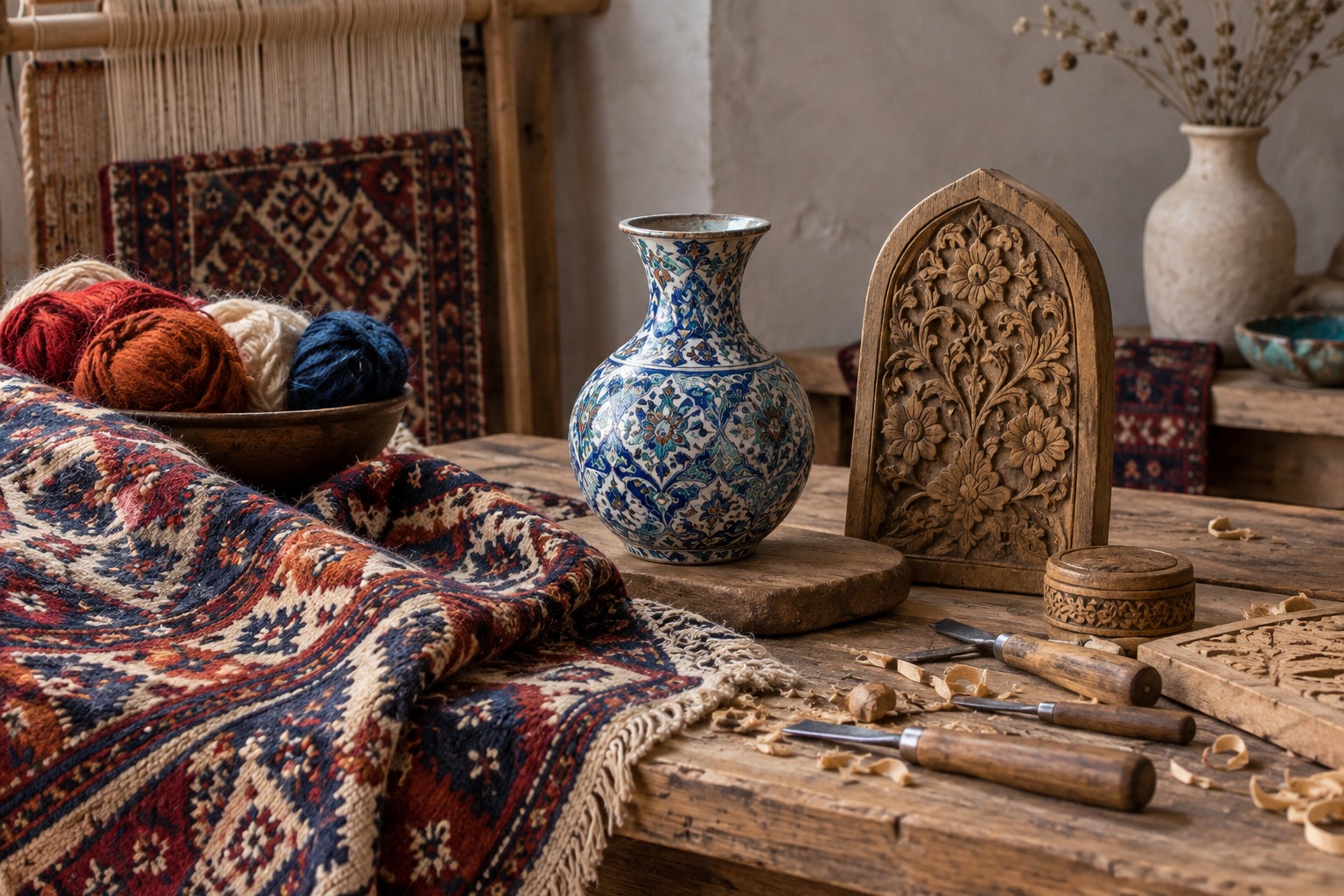
  • 金属加工:包括铜器、金银器的錾刻与镶嵌技法。
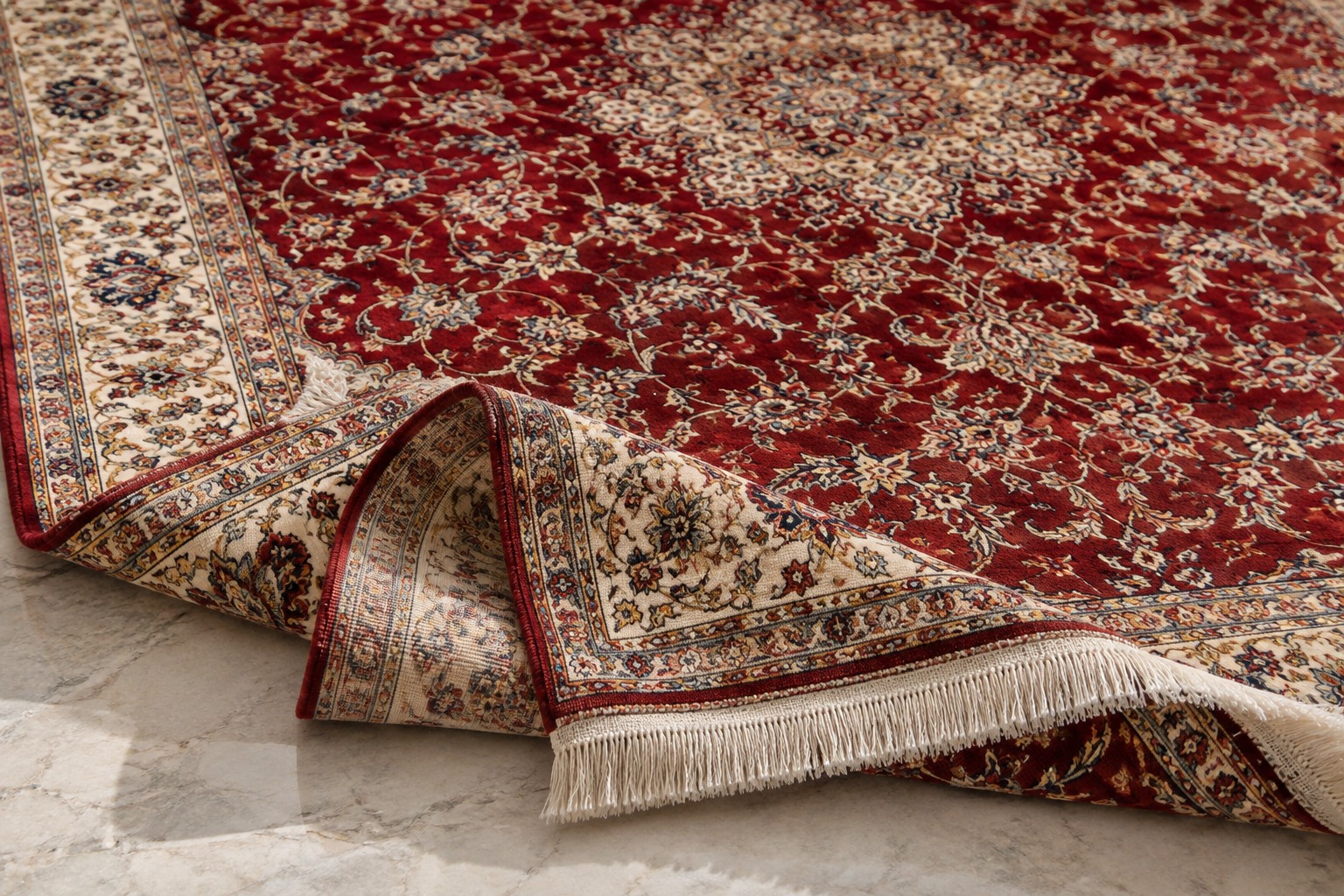
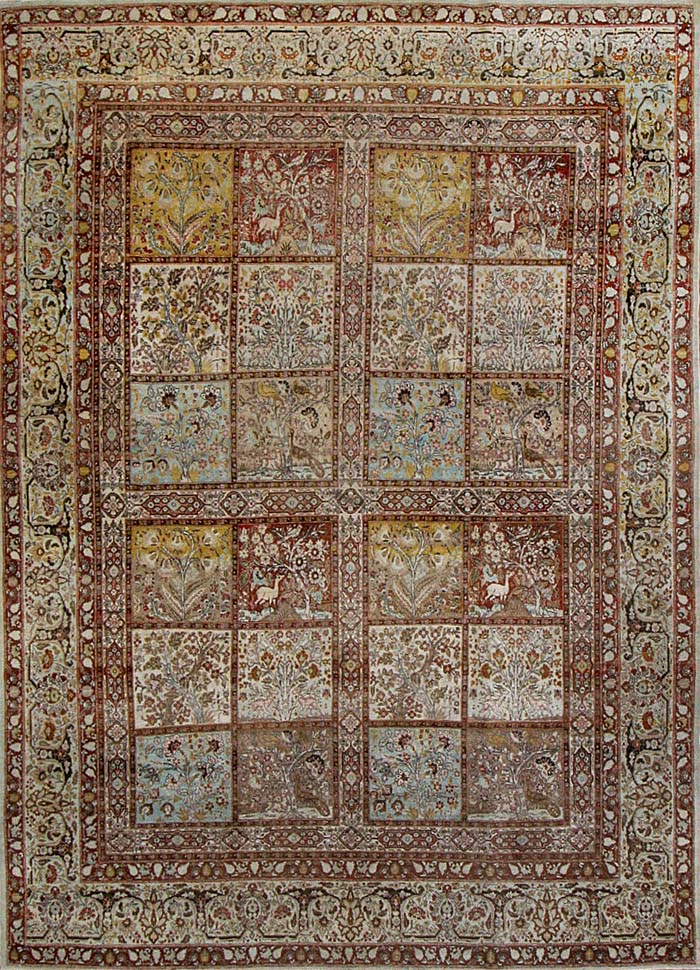
  • 纺织艺术:著名的波斯地毯、Termeh(手工织锦)以及丝绸制品。
  • 陶瓷与陶艺:源自萨珊王朝与萨非王朝的釉面装饰技术。
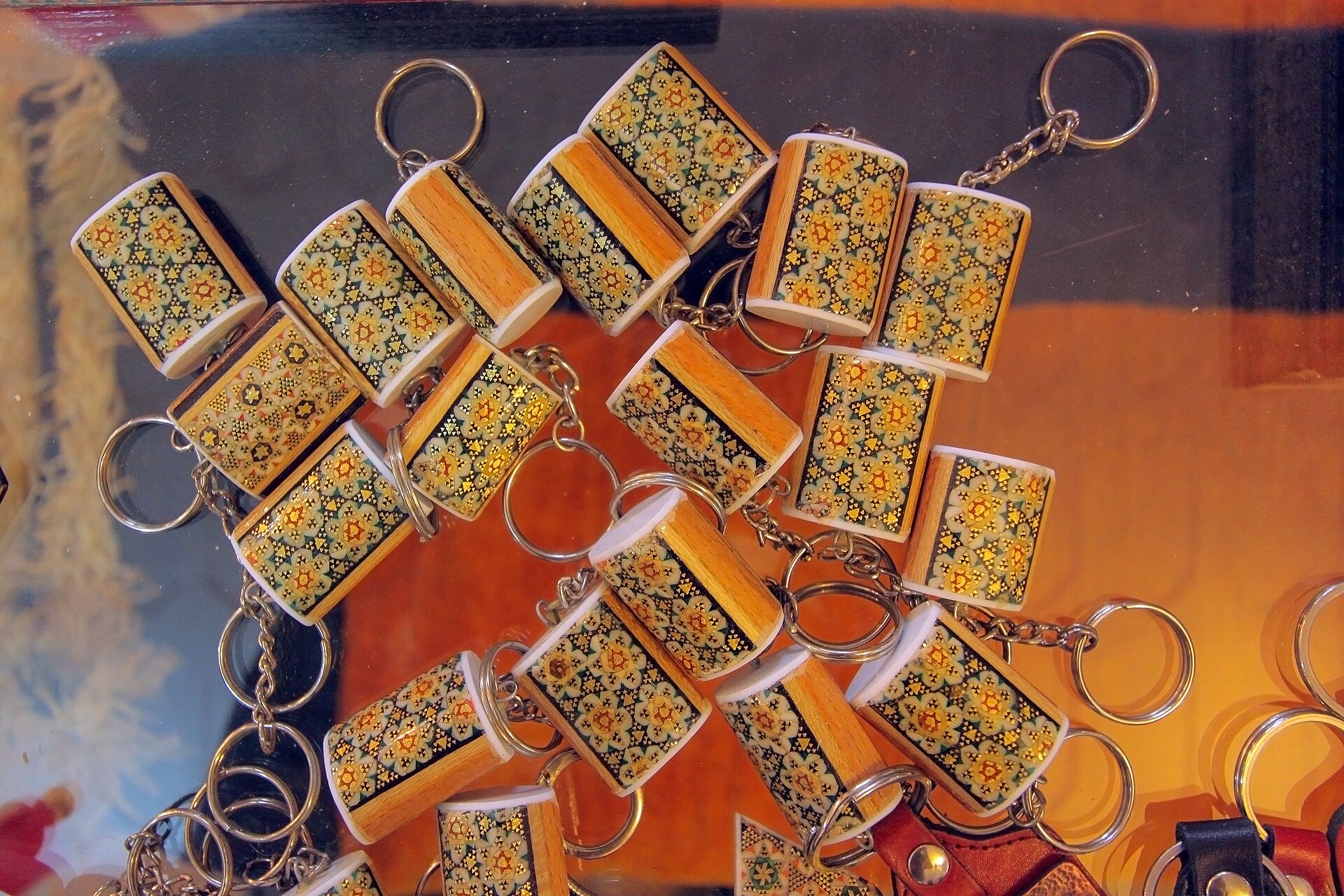
  • 木质工艺:复杂的 Khatam-kari(木镶嵌)和木雕艺术。
  • 建筑装饰:包括镜面马赛克(Aineh-kari)和石膏粉刷。
伊朗手工艺城市相关产业占比分布(估算)
该图表反映了手工艺在伊朗创意城市经济结构中的多元贡献。

如何在这些手工艺之都获得最佳文化体验?

对于计划访问伊朗这些创意城市的旅行者来说,深入当地的大巴扎(Grand Bazaar)是第一步。在卡尚,参观历史悠久的集市不仅能看到琳琅满目的手工艺品,还能亲眼目睹工匠们在拥有数百年历史的拱顶下进行创作。这种互动的体验是 UNESCO 推广“生活文化”理念的核心 [1]。

支持当地工匠与可持续贸易

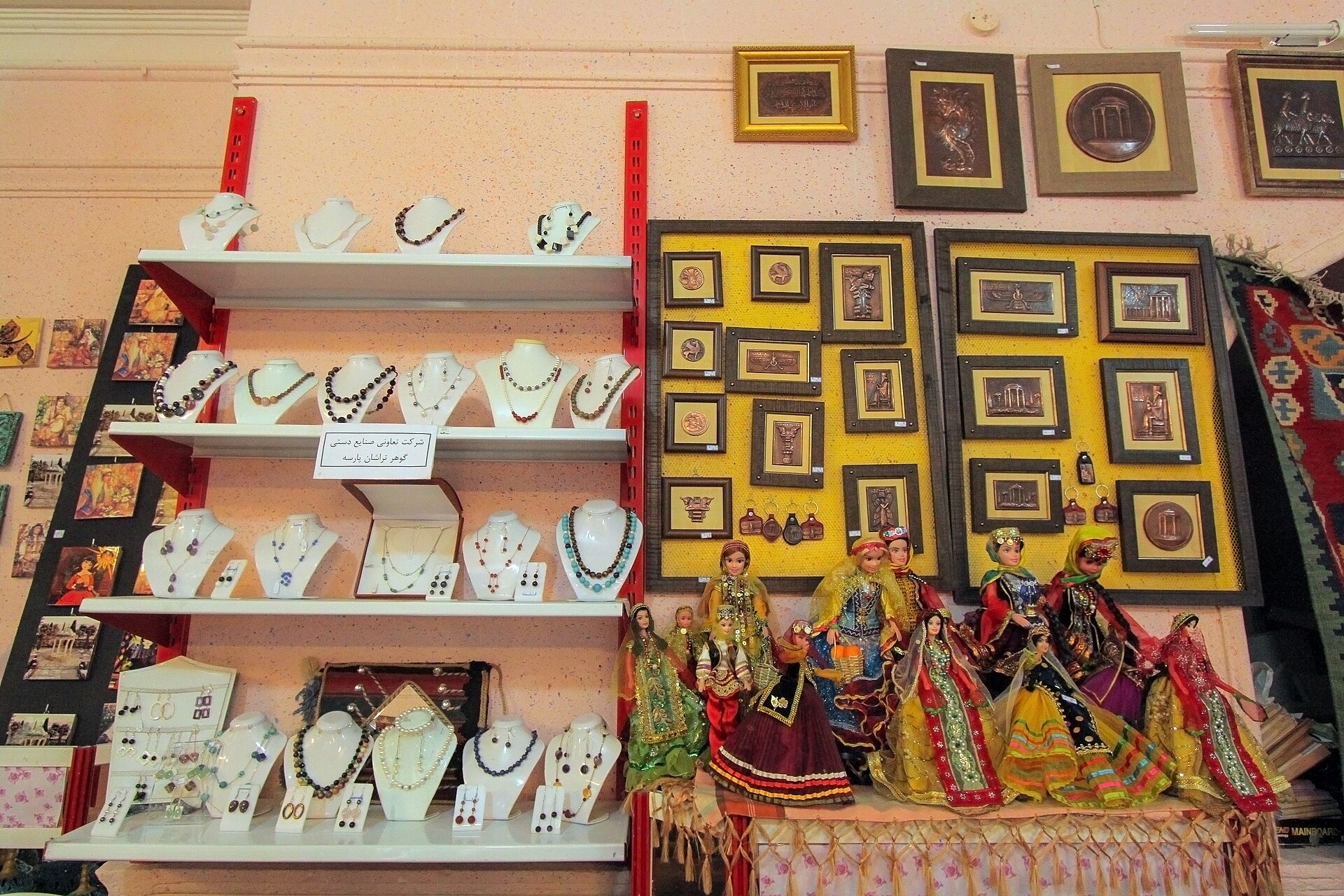
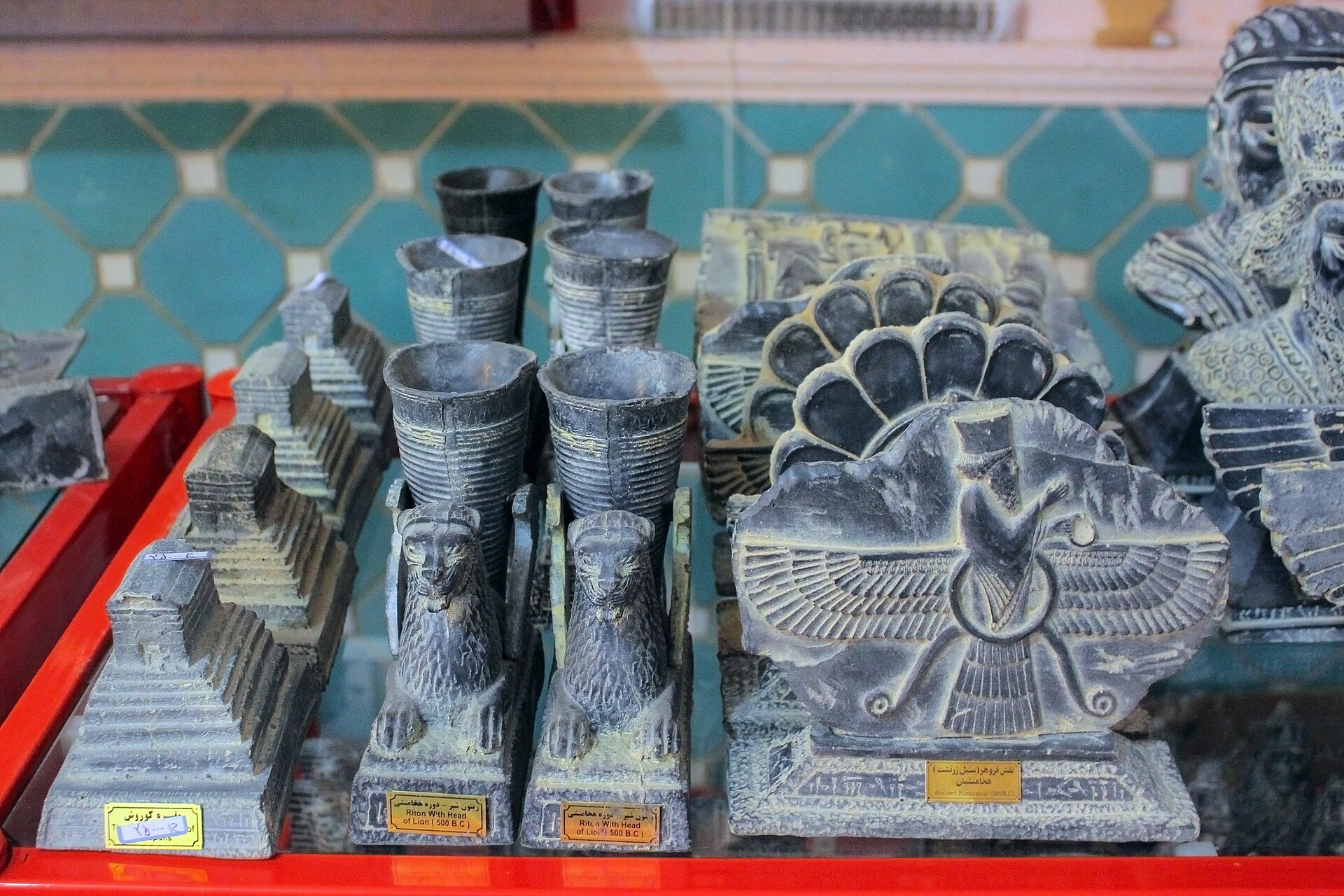
购买当地制作的手工艺品是支持这些社区的最直接方式。通过直接向工匠购买,游客不仅能获得一件独一无二的艺术品,还为保护这些濒临失传的技艺做出了贡献。每一件波斯金属器皿或每一寸编织的织物,都蕴含着数百代人的情感与历史记忆。

Tehran, Iran, Golestan Palace The lavish Golestan Palace is a masterpiece of the Qajar era, embodying the successful integration of earlier Persian crafts and architecture with Western influences. The walled Palace, one of the oldest groups of buildings in Teheran, became the seat of government of the Qajar family, which came into power in 1779 and made Teheran the capital of the country. Built around a garden featuring pools as well as planted areas, the Palace’s most characteristic features and rich ornaments date from the 19th century. It became a centre of Qajari arts and architecture of which it is an outstanding example and has remained a source of inspiration for Iranian artists and architects to this day. It represents a new style incorporating traditional Persian arts and crafts and elements of 18th century architecture and technology. (Unesco)
Iran IMG 8388 Tehran (16343181334) · Ninara from Helsinki, Finland · CC BY 2.0

创意不仅在于创造新事物,更在于如何以创新的方式保存我们的过去。

UNESCO 创意城市指南
参观伊朗手工艺之都的核查清单
  • 确认目标城市的 UNESCO 认定类别(如卡尚的建筑或伊斯法罕的手工艺)。
  • 规划参观当地的工坊,而不仅仅是成品商店。
  • 了解不同王朝(如萨非王朝或恺加王朝)的艺术风格差异。
  • 尊重当地传统,特别是在参观清真寺或私人历史住宅时。
  • 寻找带有当地认证的传统工艺品标识。

未来展望:伊朗手工艺在数字时代的传承

随着全球数字化的推进,伊朗的创意城市正利用技术手段推广其民间艺术。从在线展览到数字建筑建模,传统的波斯美学正在焕发新生。卡尚作为建筑创意城市,正通过数字平台向世界展示其可持续设计的智慧,为全球面临气候变迁挑战的城市提供借鉴思路 [2]。

Tehran, Iran, Golestan Palace The lavish Golestan Palace is a masterpiece of the Qajar era, embodying the successful integration of earlier Persian crafts and architecture with Western influences. The walled Palace, one of the oldest groups of buildings in Teheran, became the seat of government of the Qajar family, which came into power in 1779 and made Teheran the capital of the country. Built around a garden featuring pools as well as planted areas, the Palace’s most characteristic features and rich ornaments date from the 19th century. It became a centre of Qajari arts and architecture of which it is an outstanding example and has remained a source of inspiration for Iranian artists and architects to this day. It represents a new style incorporating traditional Persian arts and crafts and elements of 18th century architecture and technology. (Unesco)
Iran IMG 8402 Tehran (16343366574) · Ninara from Helsinki, Finland · CC BY 2.0

关于伊朗 UNESCO 创意城市的常见问题 (FAQ)

卡尚在 UNESCO 创意城市网络中具体属于哪个类别?
卡尚(Kashan)于 2026 年被正式认定为 UNESCO 的“建筑创意城市”。这一身份重点表彰了其卓越的历史建筑、创新的气候适应性设计以及将传统工艺融入现代城市生活的努力。
什么是 UNESCO 手工艺与民间艺术之都项目?
这是一个由联合国教科文组织发起的项目,旨在表彰那些将创意(特别是手工艺和民间艺术)视为城市身份和可持续发展驱动力的城市。它促进了国际间的经验交流与文化合作。
伊朗还有哪些城市属于 UNESCO 创意城市网络?
除了卡尚的建筑类别外,伊朗还拥有其他创意城市,例如伊斯法罕(手工艺与民间艺术)、萨南达季(音乐)、克尔曼沙赫(美食)等。每个城市都代表了波斯多元文化的不同方面。
游客可以在这些城市参与手工艺制作吗?
是的,许多创意城市如卡尚和伊斯法罕都设有互动工坊。游客可以在经验丰富的工匠指导下,体验陶艺、金属雕刻或地毯编织的初级课程,深入了解波斯匠心。
卡尚的建筑为何被认为是“气候响应型”的?
卡尚的建筑师利用风塔(捕捉凉风)、厚实的土砖墙(隔热)以及沉降式的地下庭院(保持凉爽)来应对干旱酷热的沙漠气候。这些古老的智慧如今被视为绿色建筑的先驱。
The Golestan Palace was built in the 16th century. It is the former official royal Qajar complex in Tehran. The Palace is one of the oldest historic monuments in the city of Tehran, and a UNESCO World Heritage Site. It consists of gardens, royal buildings, and collections of Iranian crafts and European presents from the 18th and 19th centuries. (Wikipedia)
Golestan Palace, Tehran, Iran (53758151266)
The Golestan Palace was built in the 16th century. It is the former official royal Qajar complex in Tehran. The Palace is one of the oldest historic monuments in the city of Tehran, and a UNESCO World Heritage Site. It consists of gardens, royal buildings, and collections of Iranian crafts and European presents from the 18th and 19th centuries. (Wikipedia)
Golestan Palace, Tehran, Iran (53758573660)

Sources

  1. [1]City of Crafts and Folk Arts - Wikipedia· Wikipedia
  2. [2]Kashan: UNESCO Creative City of Architecture in Iran· Adventure Iran Official Website