Xene Gallery

波斯地毯鉴赏指南:从2500年织造历史到萨非王朝的艺术巅峰与收藏价值

穿越丝绸之路的经纬,深度解析波斯地毯的地域风格、象征符号及2026年收藏趋势。

Tonbak, a Persian percussion instrument.
Image: https://www.flickr.com/photos/dynamosquito · CC BY-SA 2.0

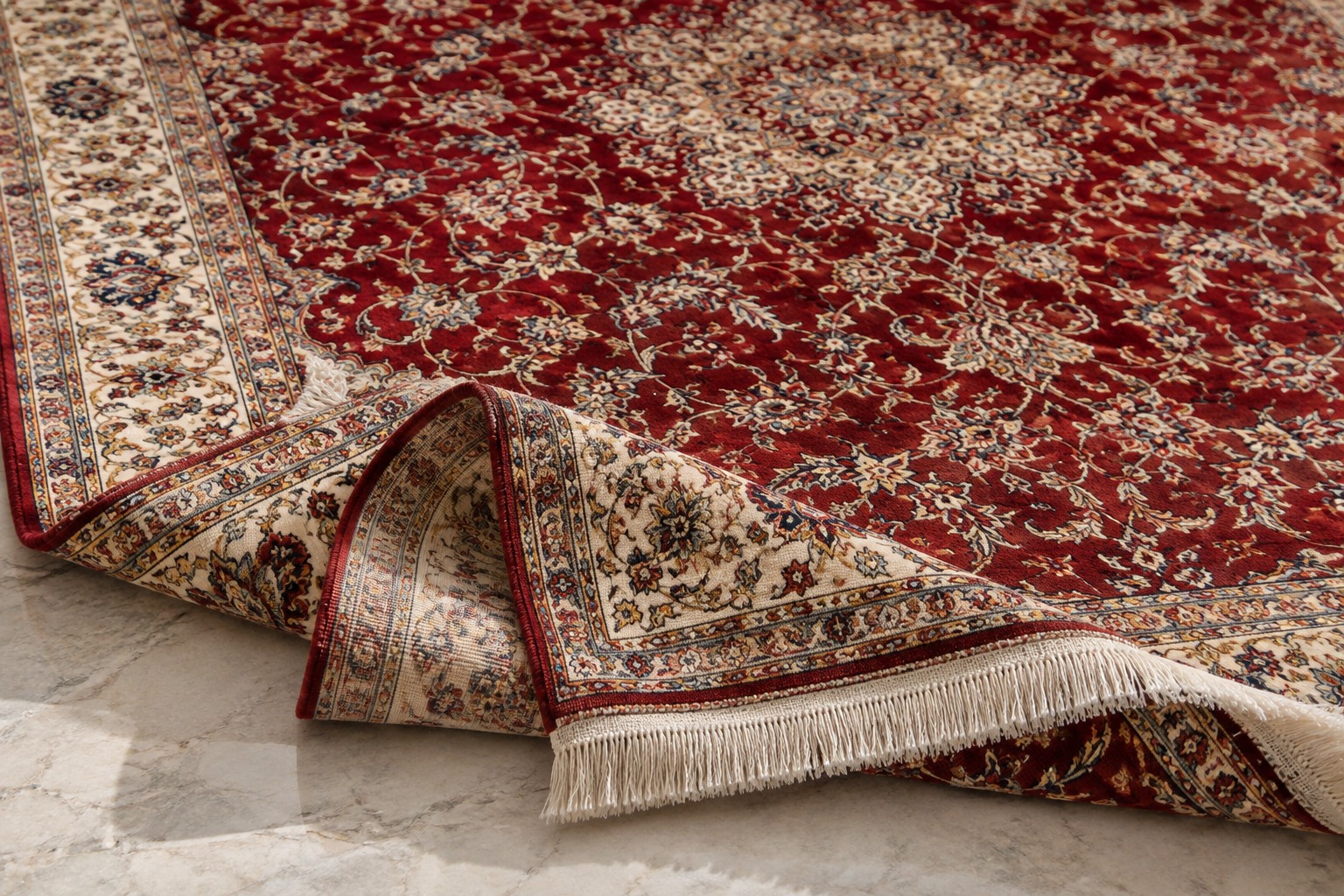
波斯地毯(Persian Rugs)是起源于古波斯(现伊朗)的高级手工编织纺织品,其历史跨越2500余年,由伊朗高原的游牧部落最初发明并由历代王朝发扬光大 [1]。它们以极高的结数、复杂的天然染色工艺以及融合了伊斯兰几何波斯花卉的独特设计而闻名于世。作为文明的缩影,波斯地毯不仅是地面铺设物,更是融合了文学、哲学与神学的艺术品,反映了萨非王朝等鼎盛时期的美学高度 [7]。

波斯地毯历史与工艺数据
历史跨度
2500+ 年

起源于游牧部落 [3]

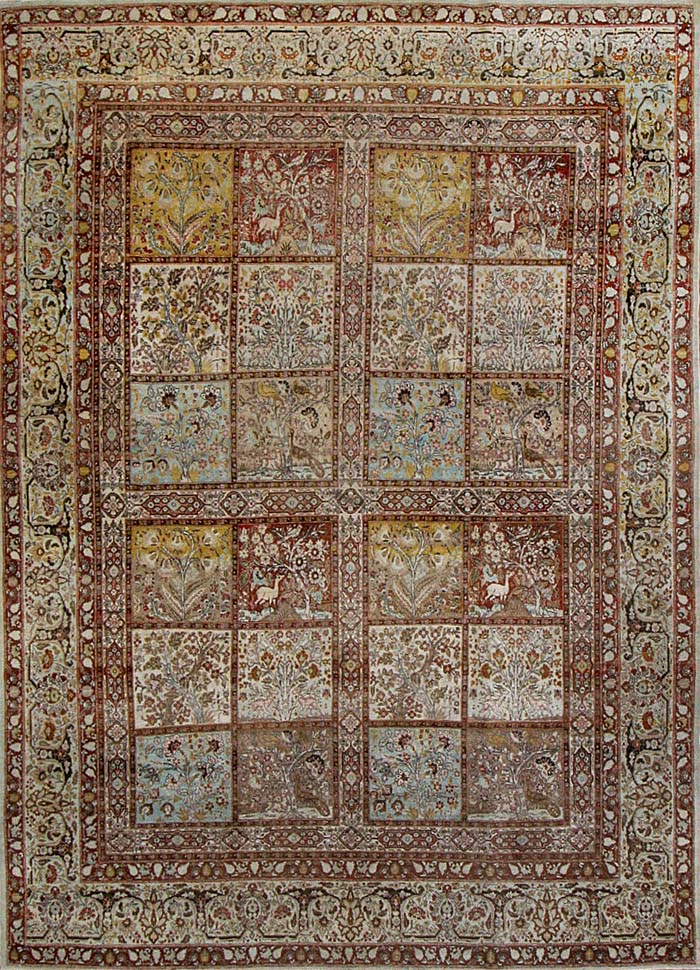
大不里士天堂花园尺寸
350 x 820 cm

16世纪丝绸精品 [2]

核心产区
50+ 风格

按地区和部族划分 [5]

波斯地毯的起源与演变历史是什么?

波斯地毯的起源可以追溯到约2500年前的伊朗高原游牧民族,最初是为了防寒和适应帐篷生活的实用功能而诞生的 [1]。随着时间的推移,这种技艺从简单的部落几何图案演变为复杂的宫廷艺术。在萨非王朝(Safavid Dynasty)时期,特别是阿拔斯一世(Shah Abbas I)统治下,织毯艺术达到了巅峰。他在伊斯法罕建立了皇室作坊,并垄断了丝绸贸易,使得波斯地毯成为外交赠品和国际贸易的珍宝 [2]。

为什么波斯地毯上常有意想不到的“瑕疵”?

在萨非王朝时期的传统中,织工们往往会在完美的设计中故意留下一处微小的错误或瑕疵 [6]。这种做法并非技艺不精,而是源于深层的宗教与哲学思考:他们认为只有造物主才是完美的,人类不应创造绝对完美的作品 [7]。这种被称为“艺术性瑕疵”的传统,赋予了每一块手织地毯独特的生命力和谦逊感,也成为了辨别手工地毯与机器制造地毯的重要标志之一。
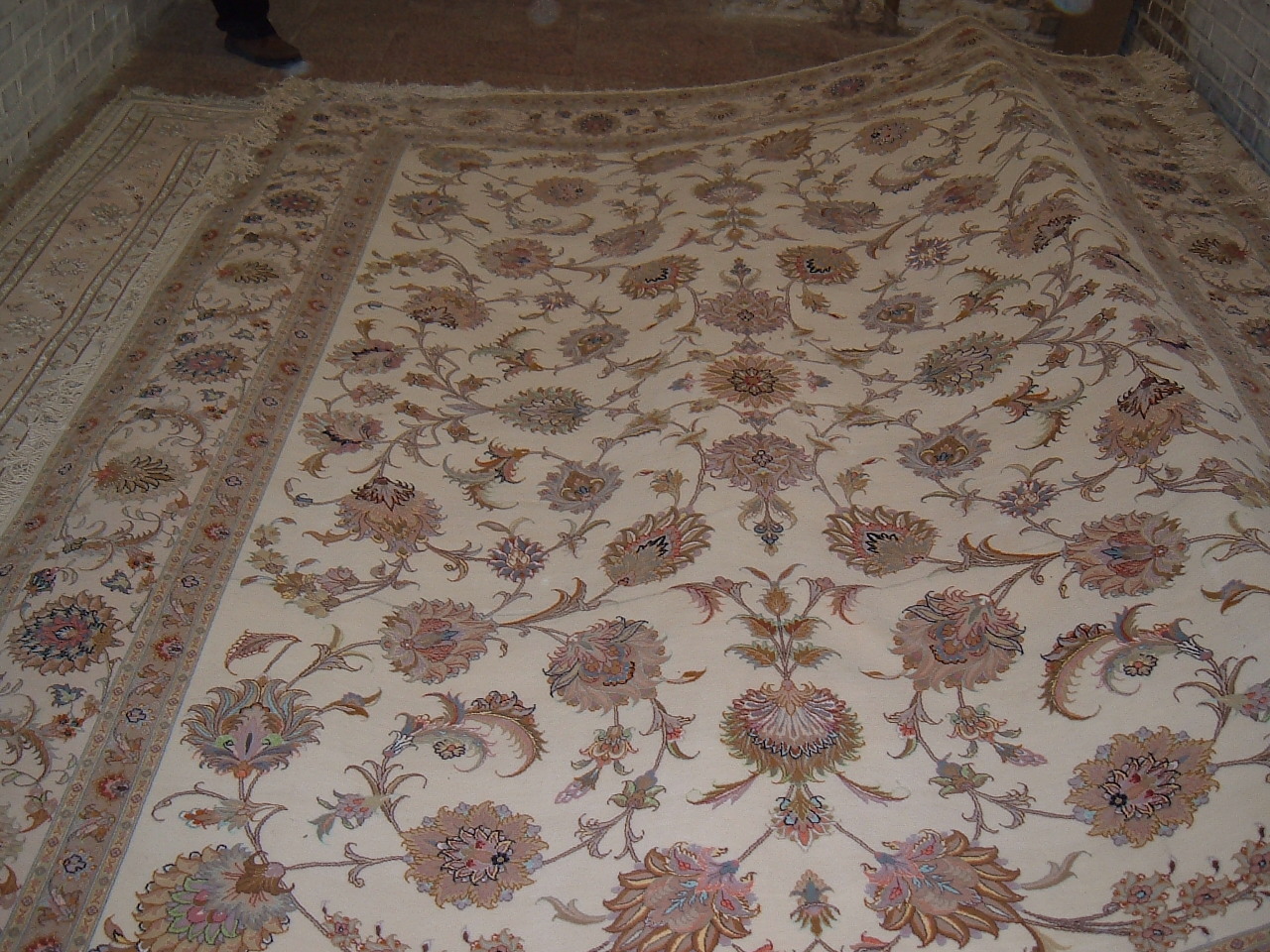
波斯地毯不仅是一件艺术品,它是编织进每一根线条里的故事。

Xene Gallery 文化研究部 [3]

伊朗主要地毯产区及其工艺特色

四大核心产区对比
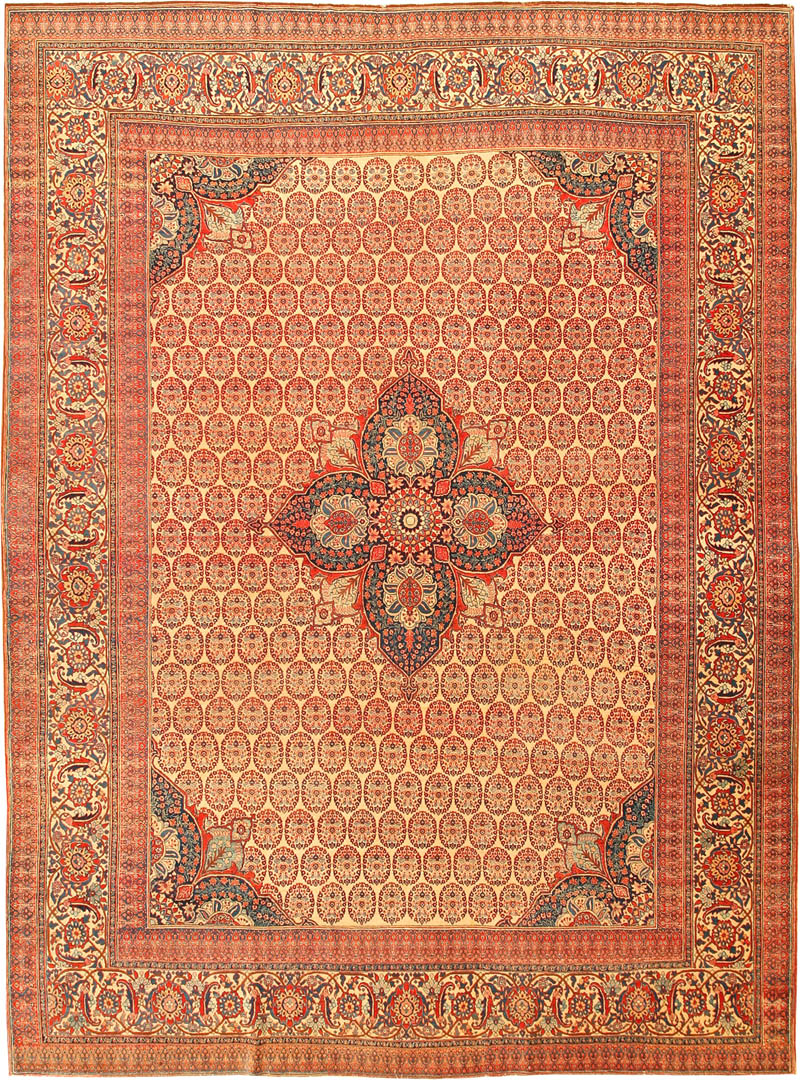
  • 伊斯法罕 (Isfahan): 以极高的结数和精细的真丝/羊毛混合材质著称,图案多采用奖章纹样(Medallion)。
  • 大不里士 (Tabriz): 拥有极为多样的设计,从狩猎图到文学叙事,是波斯织毯的商业与艺术中心 [2]。
  • 卡尚 (Kashan): 19世纪的卡尚地毯常带有叙事性,结合了诗歌、历史人物与神话故事 [4]。
  • 克尔曼 (Kerman): 以花卉图案和优雅的配色方案闻名,是欧洲皇室历史上的心头好。
波斯地毯风格与产区特征概览
产区名称核心材质典型图案艺术地位
伊斯法罕丝绸/细羊毛建筑奖章纹宫廷巅峰
大不里士羊毛/真丝天堂花园/狩猎风格多样性
卡尚优质羊毛叙事人物/诗歌历史叙事 [4]
部落游牧粗羊毛几何抽象原始生命力
基于 Kian Rug Company 及历史档案整理的区域特征对比表 [1][5]

叙事地毯:卡尚的文化遗产

在19世纪的卡尚(Kashan),织工们创造了一类稀有的“图画地毯”(Pictorial Pieces)。这些地毯不再仅仅局限于重复的图案,而是通过复杂的织造技术展现波斯诗歌、历史事件以及著名的历史人物 [4]。这种将文学与地毯编织结合的传统,体现了伊朗人对文化传承的极致追求。

2026年收藏级波斯地毯市场偏好分布
2026年全球艺术市场收藏家偏好趋势预估 [8]

2026年波斯地毯收藏市场现状如何?

进入2026年,波斯地毯市场呈现出明显的“选择性”增长趋势 [8]。虽然普通装饰性地毯面临价格敏感性,但具有明确传承历史(Provenance)、罕见设计和优秀保存状况的古董件依然在拍卖行受到追捧。收藏家现在更加关注稀有的萨非王朝作品和高结数的丝绸地毯,这类作品被视为可投资的艺术资产而非单纯的家居用品。
Tonbak, a Persian percussion instrument.
TOM.BAK · https://www.flickr.com/photos/dynamosquito · CC BY-SA 2.0

如何辨别真伪与评估地毯价值?

评估一块波斯地毯的价值主要依赖于五个核心维度:材质、结数(KPSI)、颜色、年代与产地。手工结(Persian Knot)是其精髓所在,通过观察地毯背面的结头是否分布略有不均,可以有效识别手工编织与机器大规模生产的差异。天然染料(如蓝草、石榴皮)随时间产生的自然褪色(Abrash)也是衡量价值的重要指标 [1]。

Qom is located beside the desert at 140 km south of Tehran with the height of 930 m above the sea level in an arid region. It enjoys a desert and semi-desert climate. Summer is warm and arid and winter is nearly cold in this city. Qom consists of 5 parts as "Jafarabda", "Khalajestan", "Salafchegan", "Kahak", "Markazi", one city and 9 rural districts. This city is the 8th populous city after Tehran, Mashhad, Isfahan, Tabriz, Karaj, Shiraz, Ahvaz and second religious city after Mashhad and also one of the main centers of Silk Carpet, Sweets and Sohan production in Iran and all around the world located among Iran transportation roads which connect the industrial cities to Tehran, on one hand, and link the southern provinces and cities of Iran to the northern ones, on the other hand. Qom, one of the most significant desert towns, is of the main poles of developing pilgrimage tourism in Iran.
عکس قم ایران از دریچه دوربین کلانشهرهای ایرانی مصطفی معراجی تصاویر ایران زمین با کیفیت مجوز کریتیو کامانز 02 · Mostafameraji · CC BY-SA 4.0
地毯评估清单
  • 检查结头密度:高品质城市毯通常每平方英寸超过300结。
  • 确认染料性质:天然染料在视觉上更具层次感且不会轻易渗色。
  • 背面一致性:手工地毯背面图案清晰度应与正面相近。
  • 边缘处理:观察流苏是否是经线的延伸,而非后期缝合。

关于波斯地毯的常见问题

波斯地毯和普通地毯最大的区别是什么?
核心区别在于工艺和材质。波斯地毯特指在伊朗境内,由工匠使用传统的波斯结或土耳其结手工编织而成的艺术品。它们通常使用天然染色的羊毛或丝绸,而非合成纤维,且每一块的图案都是独一无二的文化表达 [1]。
波斯地毯为什么被视为一种投资?
由于其不可再生的手工特性和漫长的制作周期(一件精品可能耗时数年),高品质的波斯地毯随着年代增加和存世量减少会逐渐升值。2026年的市场数据显示,稀有和状况良好的古董地毯在拍卖市场上表现稳健 [8]。
伊斯法罕地毯有什么特别之处?
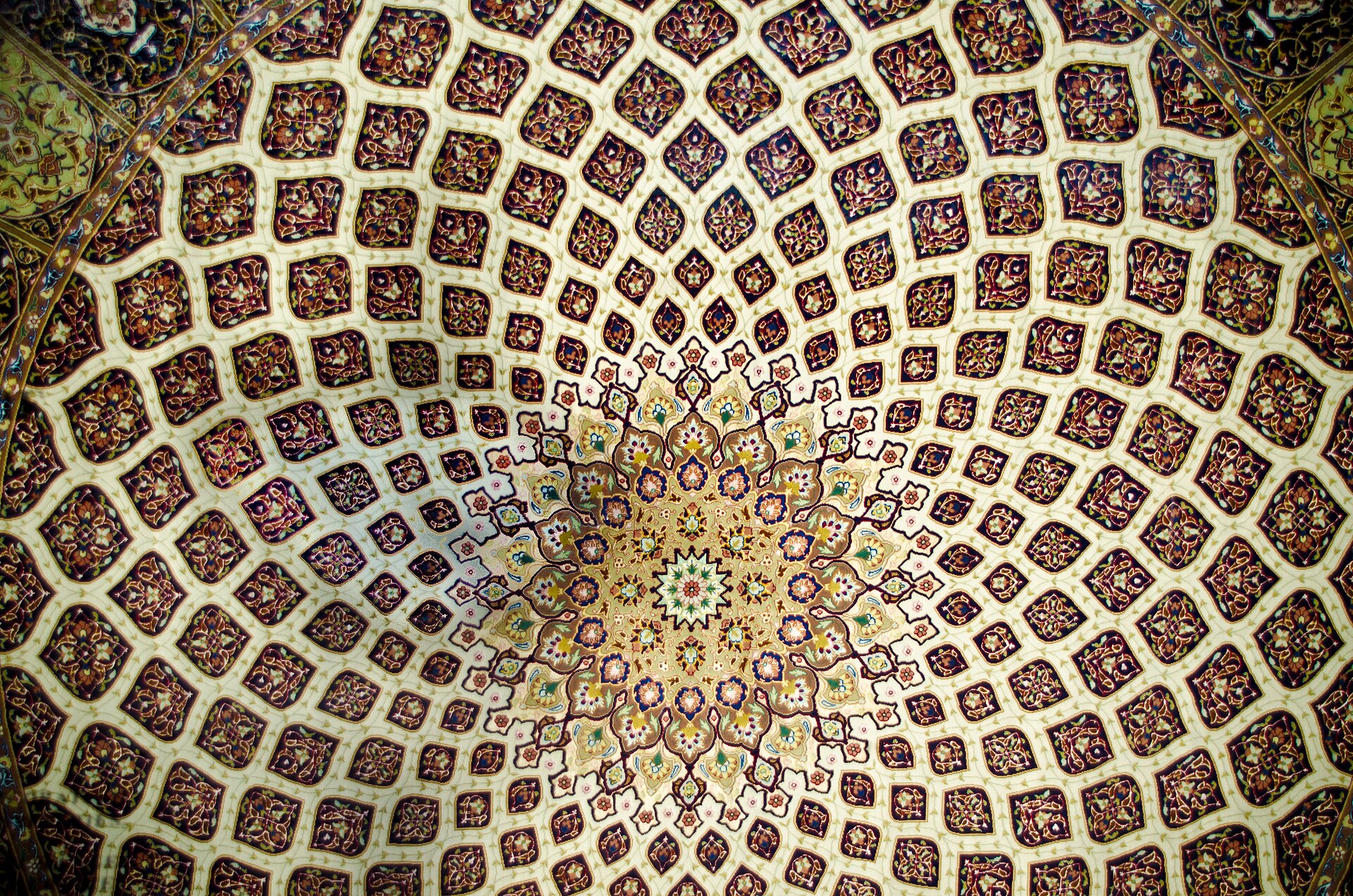
伊斯法罕地毯代表了波斯地毯的最高技术水准。受萨非王朝宫廷美学影响,这些地毯常在真丝基底上编织极细的羊毛,图案极其精细,常模仿大清真寺的圆顶设计,是全球收藏家梦寐以求的珍品 [2]。
地毯上的图案有什么特殊的象征意义吗?
是的,波斯地毯图案充满象征意义。例如,生命树象征永生,石榴象征丰饶,而中心奖章往往象征着通往天堂的门户。此外,很多作品还融合了史诗诗句,将文学通过视觉形式固化在织物中 [4]。
新手在购买波斯地毯时应该注意什么?
新手应关注地毯的完整性、颜色的一致性以及结数的密集度。最重要的建议是要求提供来源证明(Provenance),并从信誉良好的画廊或专家处购买,以避免买到受损严重或化学染色的低端仿品 [8]。
Qom is located beside the desert at 140 km south of Tehran with the height of 930 m above the sea level in an arid region. It enjoys a desert and semi-desert climate. Summer is warm and arid and winter is nearly cold in this city. Qom consists of 5 parts as "Jafarabda", "Khalajestan", "Salafchegan", "Kahak", "Markazi", one city and 9 rural districts. This city is the 8th populous city after Tehran, Mashhad, Isfahan, Tabriz, Karaj, Shiraz, Ahvaz and second religious city after Mashhad and also one of the main centers of Silk Carpet, Sweets and Sohan production in Iran and all around the world located among Iran transportation roads which connect the industrial cities to Tehran, on one hand, and link the southern provinces and cities of Iran to the northern ones, on the other hand. Qom, one of the most significant desert towns, is of the main poles of developing pilgrimage tourism in Iran.
عکس قم ایران از دریچه دوربین کلانشهرهای ایرانی مصطفی معراجی تصاویر ایران زمین با کیفیت مجوز کریتیو کامانز 03
Qom is located beside the desert at 140 km south of Tehran with the height of 930 m above the sea level in an arid region. It enjoys a desert and semi-desert climate. Summer is warm and arid and winter is nearly cold in this city. Qom consists of 5 parts as "Jafarabda", "Khalajestan", "Salafchegan", "Kahak", "Markazi", one city and 9 rural districts. This city is the 8th populous city after Tehran, Mashhad, Isfahan, Tabriz, Karaj, Shiraz, Ahvaz and second religious city after Mashhad and also one of the main centers of Silk Carpet, Sweets and Sohan production in Iran and all around the world located among Iran transportation roads which connect the industrial cities to Tehran, on one hand, and link the southern provinces and cities of Iran to the northern ones, on the other hand. Qom, one of the most significant desert towns, is of the main poles of developing pilgrimage tourism in Iran.
عکس قم ایران از دریچه دوربین کلانشهرهای ایرانی مصطفی معراجی تصاویر ایران زمین با کیفیت مجوز کریتیو کامانز 04

Sources

  1. [1]The History of Persian Rugs: Origins, Weaving Traditions, and Evolution· Kian Rug Company
  2. [2]Paradaise Garden Tabriz Carpet History and Symbolism· Facebook / Telman Ibrahimoff
  3. [3]The Art of Persian Carpets: A Story Woven into Every Thread· Facebook
  4. [4]Pictorial Persian Rugs from Kashan· Instagram
  5. [5]Types of Persian Rugs: 50+ Styles by Region· Rug the Rock
  6. [6]Why Every Persian Carpet Hides a Deliberate Flaw· POV Persia
  7. [7]Persian Rug Market 2026: Prices, Demand, Auctions & Collector Trends· Rug Industry News