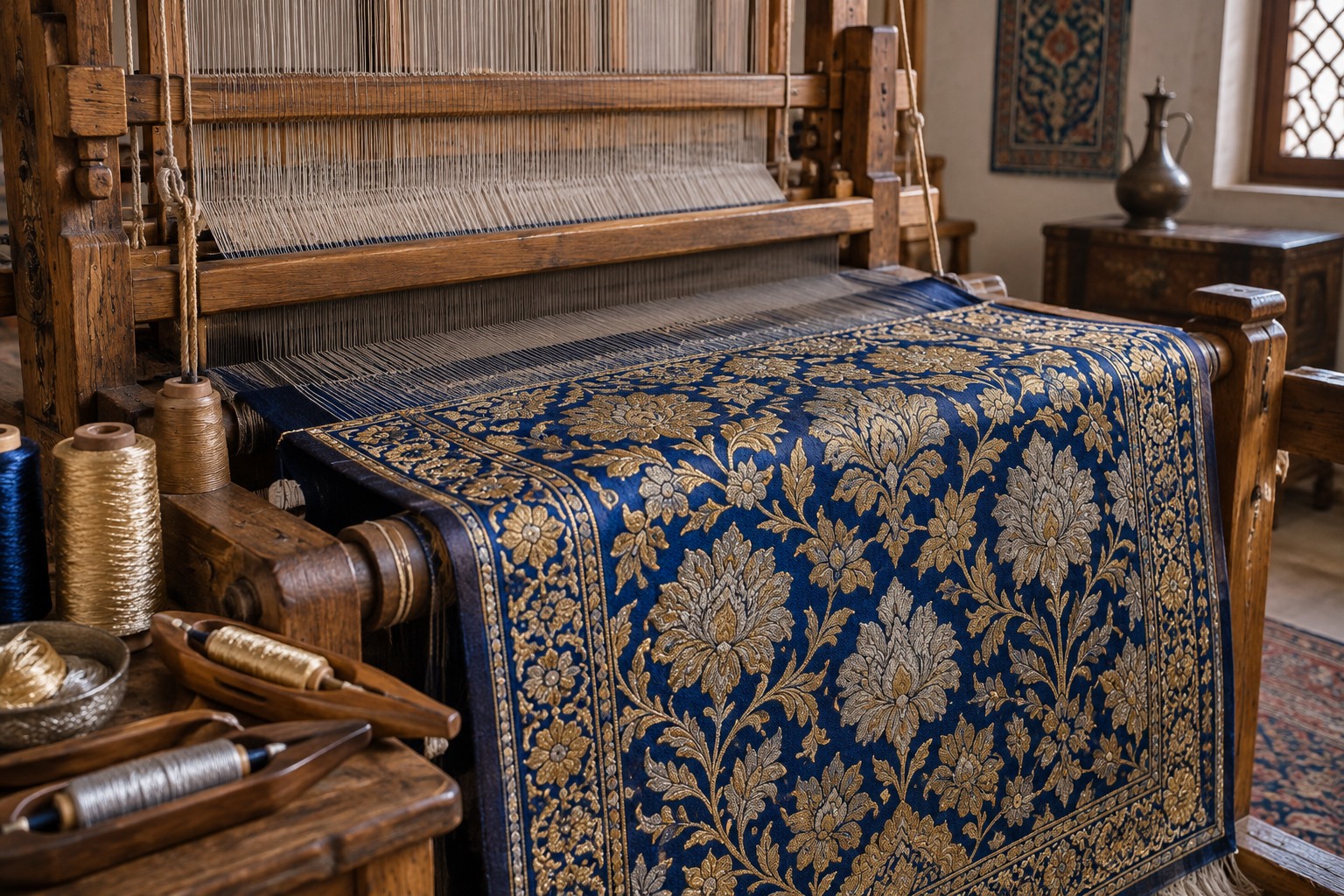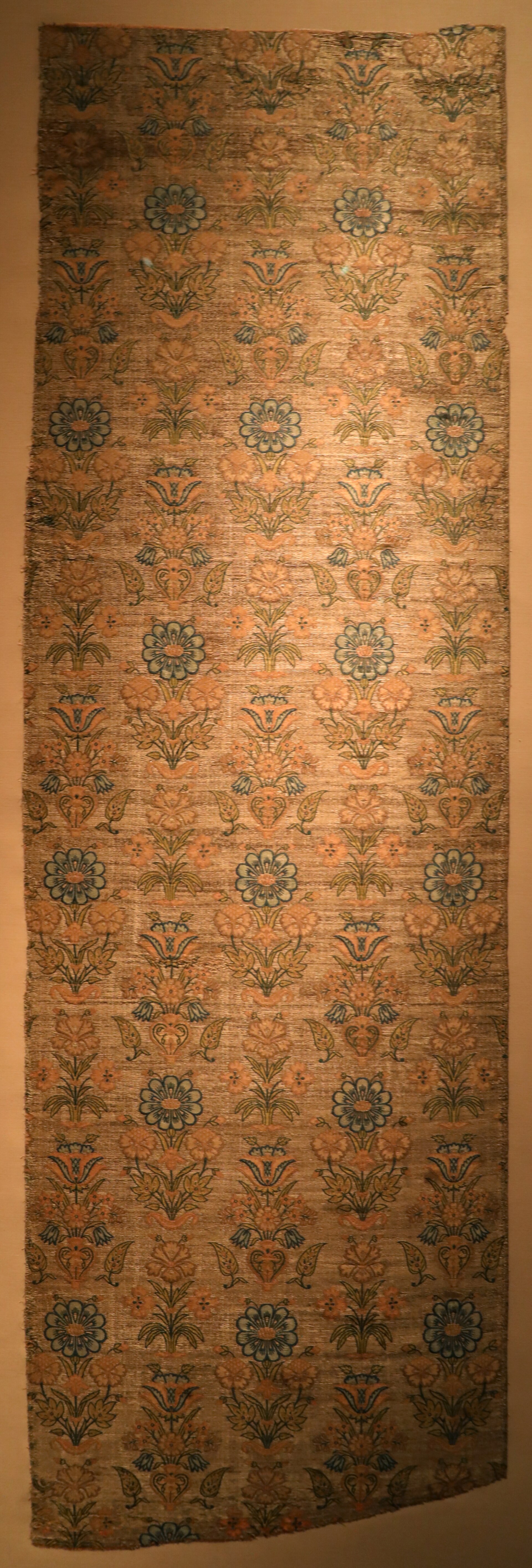
Zari brocade silk is an opulent textile characterized by the interlacing of fine gold and silver threads—known as zari—into a foundation of pure silk to create intricate, relief-like patterns. Developed to imperial standards across Iranian royal workshops, this master craft pairs lustrous mulberry silk with precious metallic filaments, producing durable heirlooms that reflect light across ornate figurative and floral compositions.
What is the historical significance of Safavid silk?
The history of Persian luxury textiles finds its zenith during the Safavid period. During this era, silk was not merely a fabric but a medium for expressing the empire's cultural and political power. The production of Safavid brocades reached such a level of sophistication that they were often compared to Persian miniature art, featuring hand-painted aesthetics translated into thread.
This legacy is not confined to the borders of modern-day Iran. The movement of artisans and the trade of materials meant that Zoroastrian influences and Safavid techniques traveled to the Parsi community in India, where the heritage remains palpable in traditional garments. The durability and shimmer of these pieces made them ideal for high-status garments and diplomatic gifts.
Understanding Zari: The Art of Metallic Thread
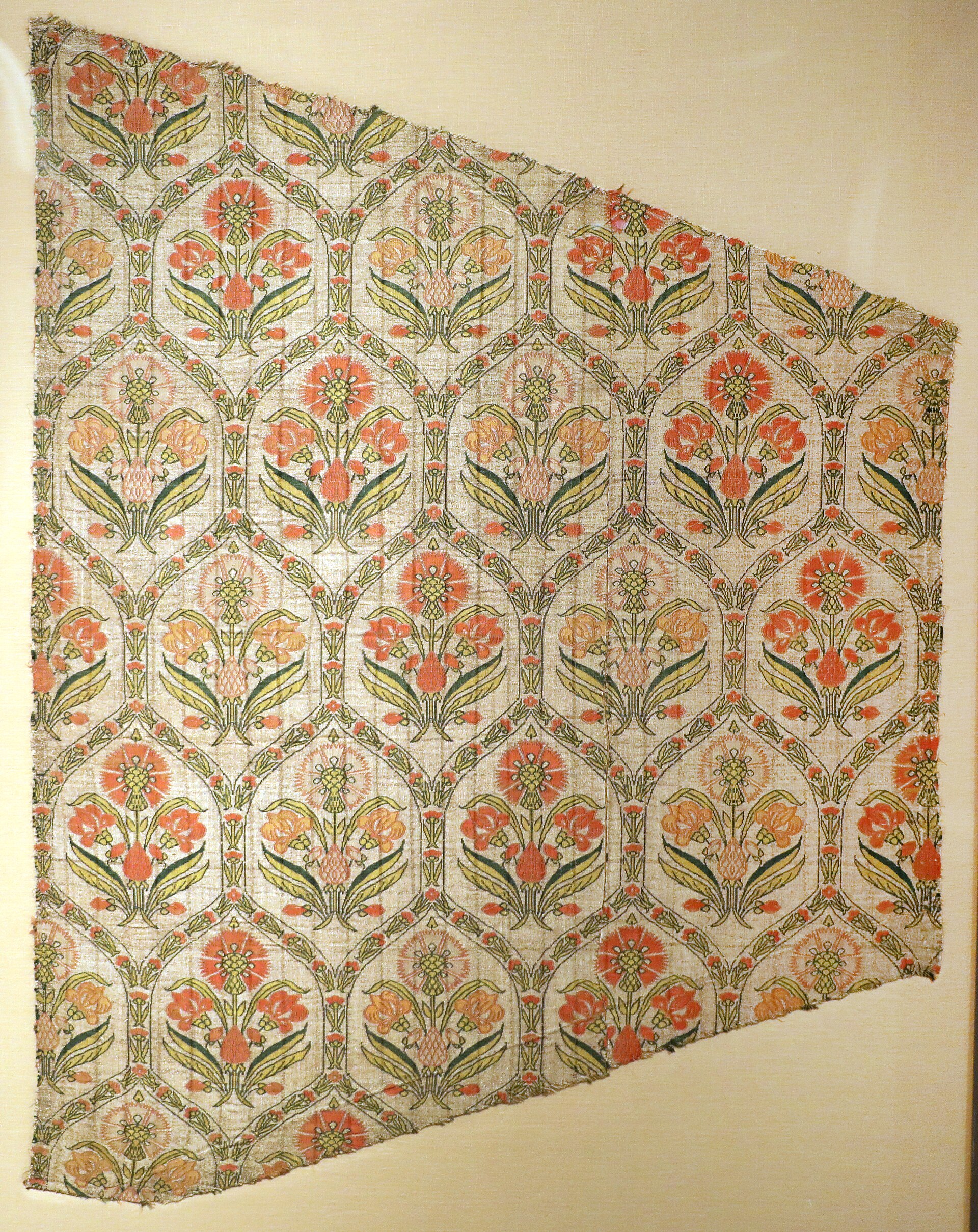
The term zari refers specifically to the metallic thread used in embroidery and weaving. In the most luxurious Persian examples, these threads are composed of a core of silk wrapped with thin strips of real gold or silver. Modern interpretations may use sequins and contrast silk bases, such as deep fuchsia, to enhance the visual impact of the embroidery.
- Pure Silk: Used as the base fabric for its sheen and strength.
- Silver and Gold Zari: Precious metal threads that provide the signature shimmer.
- Cotton Strips: Often used in the construction of suzani to provide structural integrity.
- Beads and Sequins: Modern additions found in pateh douzi and festive edits.
- Natural Dyes: Traditionally used to color the silk threads in vibrant hues.
Techniques and regional variations
Beyond the standard brocade, several regional styles utilize zari and silk in unique ways. In the Kerman region, pateh douzi utilizes handmade fabric and colored threads, often inspired by Safavid-era designs. Meanwhile, the Qajar period (1789–1925) introduced pictorial silk embroideries that utilized fine chain stitching to depict scenes of everyday Iranian life.
| Craft Type | Primary Technique | Common Motifs | Origin/Era |
|---|---|---|---|
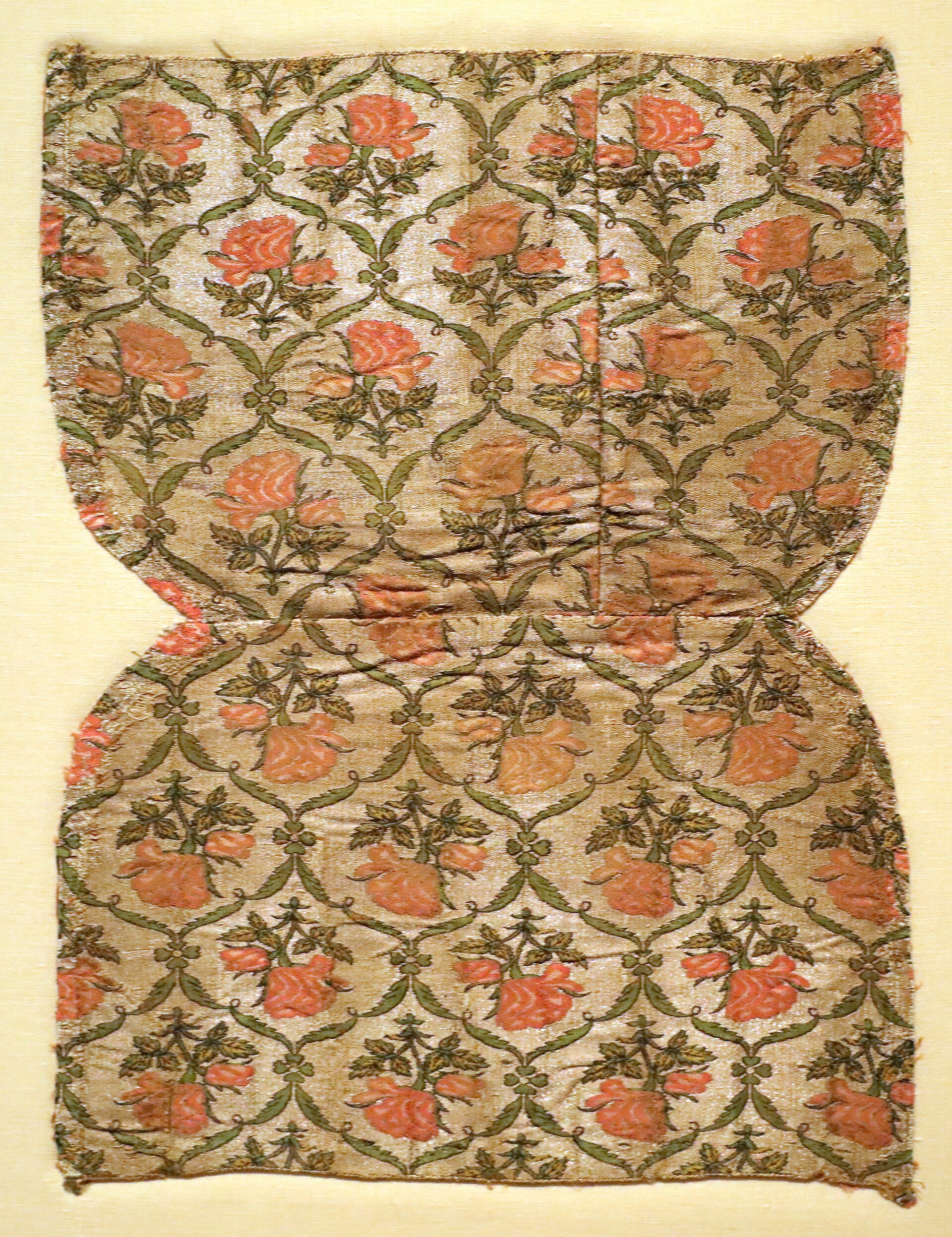
| Safavid Brocade | Zari weaving with gold/silver | Miniatures, florals | 16th-18th Century Iran |
| Samarkand Suzani | Silk embroidery on cotton | Solar disks, flowers | 19th Century Uzbekistan |
| Pateh Douzi | Wool/Silk needlework | Paisley (Boteh) | Kerman, Iran |
| Qajar Pictorial | Fine chain stitching | Everyday life scenes | 19th Century Iran |
How is a Samarkand Suzani constructed?
A Samarkand 'bolim posh' suzani is a specific type of silk embroidery that has been woven in Uzbekistan for centuries. Unlike single-loom brocades, suzanis are embroidered in silk on multiple narrow strips of cotton, which are later joined together to form a large tapestry. These are then backed with fine cotton to provide the necessary body and strength.
- Average Large Suzani Size
- 9ft 11in x 8ft 11in
- Historical Range
- 1501 - 1925 CE
- Samarkand Origin Year
- Circa 1890
Typical for canopy-style 'bolim posh'
Covering Safavid to Qajar eras
Peak period for antique suzani exports
Where does the 'Pictorial' style come from?
The Qajar pictorial silk embroidery is a rare antique form that differs from the geometric or floral patterns of earlier eras. These pieces function like woven snapshots, capturing everyday life in Iran through extremely fine chain stitching. They often feature human figures, animals, and architectural elements, echoing the shift toward realism in 19th-century Iranian art.
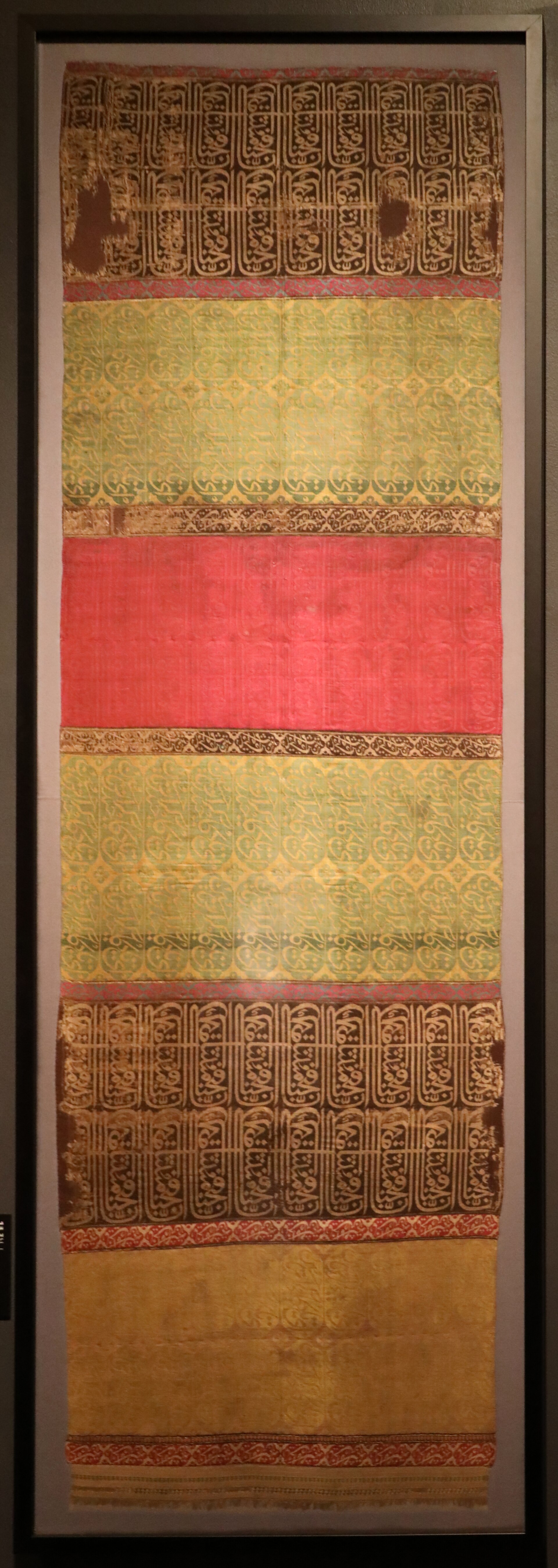
“These precious pieces are painstakingly embroidered with silk threads, silver and gold zari, all by a team trained by the National [craft centers].”
What are the common motifs in Persian Zari?
The design vocabulary of zari brocade is deeply rooted in Persian miniature art. Common themes include the Gol-o-Bolbol (rose and nightingale), hunting scenes, and the Boteh (paisley). The intricate nature of these designs is achieved by a team of artisans who spend months, sometimes years, completing a single garment or tapestry.
| name | value |
|---|---|
| Floral/Botanical | 45 |
| Pictorial/Figures | 20 |
| Geometric Patterns | 15 |
| Calligraphic | 10 |
| Mythological | 10 |
How to identify authentic antique Persian silk?
Identifying genuine antique Persian silk requires looking at the construction. Authentic pieces from the 19th century, such as Uzbek Samarkand suzani, will show evidence of being joined from separate strips and will have a backing of fine cotton for durability. In contrast, Qajar pictorials will showcase chain stitching that is almost microscopic in its detail.
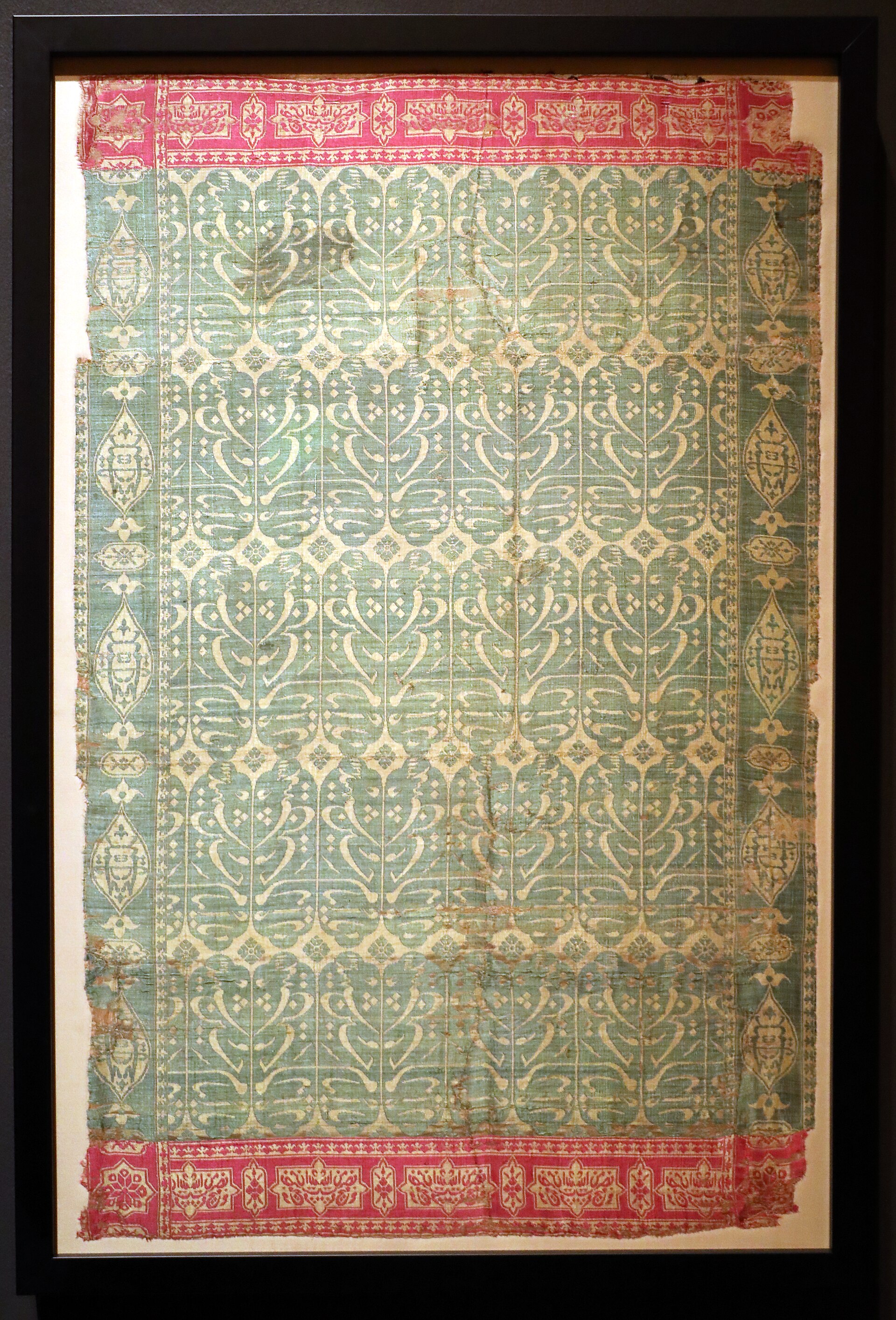
- Check for the presence of silver or gold zari threads.
- Inspect the reverse side for cotton backing used for strength.
- Look for irregular seams where silk strips have been joined (common in suzani).
- Verify the stitching type—fine chain stitching is indicative of Qajar pictorials.
- Analyze the motifs for Safavid-era inspiration like floral borders or miniatures.
| Feature | Antique (1890s) | Modern Restocked |
|---|---|---|
| Material | Hand-spun silk & cotton | Lawn, silk, chiffon blends |
| Zari Type | Wrapped precious metals | Metallic-coated polymers |
| Usage | Canopy, Yurt decoration | Festive edits, trousers |
| Origin | Samarkand, Isfahan | Mass-production centers |
The Modern Revival of Brocade Artistry
Modern appreciation for historical brocade and needlework continues across contemporary design and international cultural showcases. Handcrafted regional traditions, including Central Asian gold embroidery and Persian heritage weavings, regularly reach global audiences through international diplomatic bazaars and artisan exhibitions in capitals like New Delhi and Washington [1, 4]. These platforms demonstrate how historical zari and silk techniques remain vibrant living arts.
“The Safavid legacy is still palpable, tracing the story from ancient Iran to the modern Parsi and Iranian communities.”
Frequently Asked Questions About Zari and Persian Silk
- What is the difference between zari and standard embroidery thread?
- Unlike conventional cotton or wool embroidery threads, zari is a specialized composite yarn crafted by winding flattened ribbons of precious metal, such as silver or gold-plated alloy, around a silk or cotton core. This structure provides structural malleability alongside radiant reflectivity, enabling weavers to create raised, shimmering surface designs that resist tarnishing when properly preserved.
- How were suzani tapestries used in traditional households?
- Across Central Asian households, particularly in Samarkand and Bukhara, suzani textiles were traditionally hand-embroidered by women as central dowry pieces for wedding celebrations. Displayed inside yurts and traditional living quarters, these large silk-embroidered cloths served as decorative wall hangings, bridal bed coverings (such as the bolim posh), and potent symbols of familial prosperity, protection, and matrilineal heritage.
- Why is the Safavid period considered the peak of silk production?
- The Safavid Dynasty (1501–1736 CE) transformed Persian silk production into a premier state enterprise and high art. Imperial workshops in Isfahan, Kashan, and Yazd flourished under royal patronage, pioneering intricate compound-weave brocades interwoven with genuine gold and silver threads. Safavid master weavers achieved unprecedented technical complexity, rendering poetic figurative scenes and flora that became coveted across Eurasian trade routes.
- What does 'pictorial' mean in the context of Qajar textiles?
- In Qajar-era textile artistry, 'pictorial' describes narrative embroideries and brocades that directly translate miniature painting styles onto fabric. Rather than featuring purely repetitive geometric or floral repeat patterns, pictorial silk tapestries depict detailed courtly portraits, aristocratic hunting excursions, historical romances, or allegorical figures, blending fine metallic zari stitching with colored silk floss to replicate the depth of painterly compositions.
- How should authentic antique zari brocade silk be cleaned and preserved?
- Antique zari brocade silk should never be subjected to standard water washing or industrial dry-cleaning chemicals, which can shatter fragile silk fibers and oxidize metallic threading. Instead, conservators recommend light surface dusting using a low-suction, mesh-screened vacuum. Pieces must be stored flat or rolled around acid-free tubes away from direct sunlight, humidity fluctuations, and abrasive synthetic backings.
- What motifs are most characteristic of Persian zari brocade?
- Persian zari textiles prominently feature motifs derived from classical poetry and court illustration, most famously the Gol-o-Bolbol (the rose and nightingale symbolizing spiritual devotion) and the Boteh (an ancient curved teardrop motif predating the paisley). Artisans also wove lush arabesque scrolls (eslimi), cypress trees, and elaborate royal hunting scenes, using metallic yarns to delineate boundaries and highlights.
Sources
- [1]Antique Uzbek Samarkand 'Bolim Posh' Suzani· Cotswold Oriental Rugs / Knights Antiques
- [2] - The UK's Largest Antiques Website· knightsantiques.co.uk
- [3]Persian handicrafts on display at BRICS exhibition in New Delhi· Iran Daily
- [4]Uzbek Artisans Exhibit Ikat, Suzani and Gold Embroidery in Washington· Diplomatic Watch